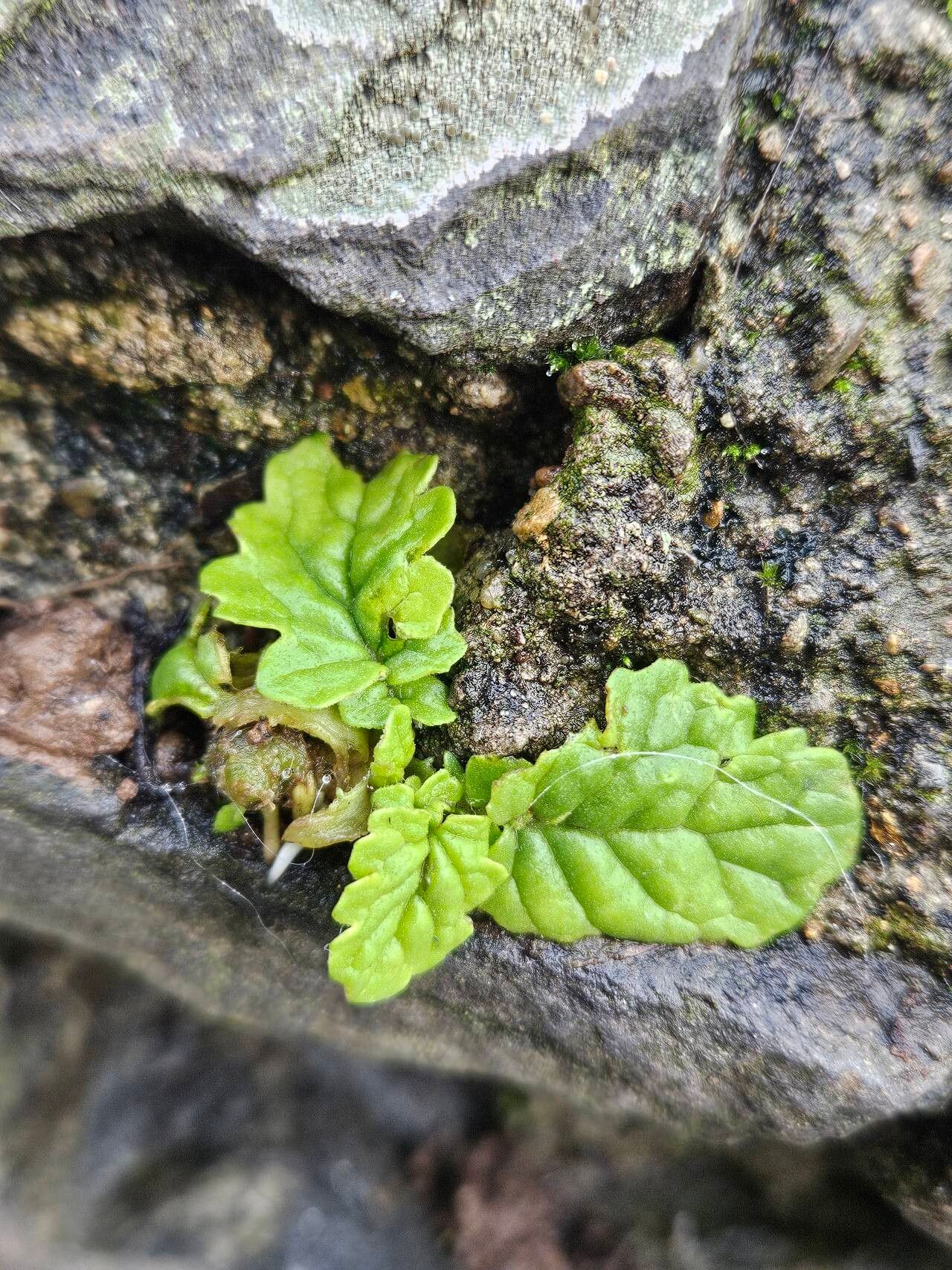
Hello garden friends! It’s so lovely to have you join me today. We’re going to talk about a truly delightful plant that I’ve had the pleasure of growing for years: Senecio doria.
Why You’ll Love Propagating Senecio doria
Now, Senecio doria isn’t just another pretty face in the garden. It boasts these wonderful, daisy-like yellow flowers that really bring a sunny disposition wherever they grow. And the foliage? It can be quite striking, too, often with a lovely silvery or grey-green hue. Propagating it yourself is incredibly rewarding. You get to multiply that joy, share it with friends, or simply fill your own space with its charm. For those of you just dipping your toes into the world of plant propagation, I’m happy to say that Senecio doria is generally quite forgiving and should be a pleasure, not a puzzle, for beginners!
The Best Time to Start Your Senecio doria Journey
The sweet spot for propagating Senecio doria is when the plant is actively growing. Think of late spring through early summer. This is when it has the energy reserves to produce new roots and shoots. While you might get away with it at other times, you’ll find the highest success rates when you capture this energetic period.
Gathering Your Propagation Toolkit
Before we get our hands dirty, let’s make sure we have everything we need. A little preparation goes a long way!
- Sharp Pruning Shears or a Knife: Cleanliness is key to preventing disease.
- Rooting Hormone (Optional but Recommended): This can give your cuttings a helpful boost. Look for one designed for herbaceous plants.
- Well-Draining Potting Mix: A commercial seed-starting mix or a blend of equal parts peat moss and perlite works wonderfully.
- Small Pots or Trays: Clean pots (around 3-4 inches) are perfect for individual cuttings.
- Clear Plastic Bag or Propagator Lid: To create a humid environment.
- Watering Can with a Fine Rose: Gentle watering is a must.
- Labeling Stakes: So you don’t forget what you’ve planted where!
Bringing New Senecio doria to Life: My Favorite Methods
Senecio doria is quite adaptable, and I’ve found two primary methods work exceptionally well.
Method 1: Stem Cuttings – The Classic Approach
This is my go-to for multiplying Senecio doria.
- Select Healthy Stems: Look for vigorous, non-flowering stems on your established plant. Aim for cuttings that are about 4-6 inches long. Make your cuts just below a leaf node, which is where roots are most likely to form.
- Prepare the Cuttings: Gently remove the lower leaves from your cuttings, leaving just a few at the top. If you’re using rooting hormone, dip the cut end into it, tapping off any excess.
- Planting Time: Fill your small pots with your prepared potting mix. Make a small hole in the center of the soil with your finger or a pencil. Gently insert the cutting into the hole, ensuring the leaf nodes are buried in the soil. Firm the soil around the base of the cutting.
- Water and Cover: Water the soil gently. Now, place a clear plastic bag over the pot, securing it with a rubber band, or use a propagator lid. This creates that essential humid microclimate.
Method 2: Water Propagation – The Visual Method
This method allows you to see the magic happen!
- Take Your Cuttings: Follow steps 1 and 2 from the stem cutting method.
- Into the Water: Find a clean jar or glass and fill it with water. Place your cuttings into the water, making sure the leaves don’t touch the water’s surface. Submerged leaves will rot quickly.
- Find the Right Spot: Place the jar in a bright spot that gets indirect sunlight.
- Change the Water: Change the water every few days to keep it fresh and prevent bacterial growth.
The “Secret Sauce” from My Garden to Yours
Over the years, I’ve picked up a few tricks that seem to really give my cuttings the edge.
- Bottom Heat is Your Friend: Especially when using stem cuttings, placing your pots on a heat mat can significantly speed up root development. It mimics the warmth of the soil in summer and gives those roots an encouraging nudge to get going.
- Don’t Rush the Potting: If you’ve rooted your cuttings in water, be patient! Wait until you see a good network of roots, at least an inch long, before attempting to plant them in soil. This gives them a stronger start.
- Air Circulation is Crucial: Once your cuttings have roots and you’ve moved them to soil, or if they’re already in soil, don’t keep them too sealed up forever. After a couple of weeks, gradually open up the plastic bag or propagator lid for a few hours each day to allow air to circulate. This helps prevent fungal issues and toughens up the new plants.
Aftercare and What to Watch For
Once those hopeful little roots appear (you’ll see them peeking out the bottom of the pot or growing from the stem in water), it’s time for a little extra care.
- Transitioning to Soil: If you water-propagated, gently transplant your rooted cuttings into pots filled with your well-draining potting mix. Water them in well.
- Gradual Acclimatization: For any new propagation, it’s essential to gradually introduce them to less humid conditions and brighter light. Move them out from under their plastic cover over a week or so.
- Signs of Success: Look for new leaf growth! That’s the clearest sign your little plant is happy and has established roots.
- Troubleshooting – The Sad Signs: The most common issue is rot, which usually happens from overwatering or poor drainage. You might see stems turning mushy and brown, or the cuttings just collapsing. If you spot this, it’s best to discard the affected cutting and ensure your soil is indeed well-draining and you’re not overwatering. In water propagation, rotting leaves are your enemy.
Happy Propagating, Friends!
Building your plant family is one of the most satisfying aspects of gardening. Be patient with your Senecio doria cuttings; some will be quicker than others. Enjoy the process, celebrate each new root and leaf, and before you know it, you’ll have a whole collection of these sunny beauties to admire and share. Happy gardening!
Resource:
https://identify.plantnet.org/k-world-flora/species/Senecio%20doria%20L./data