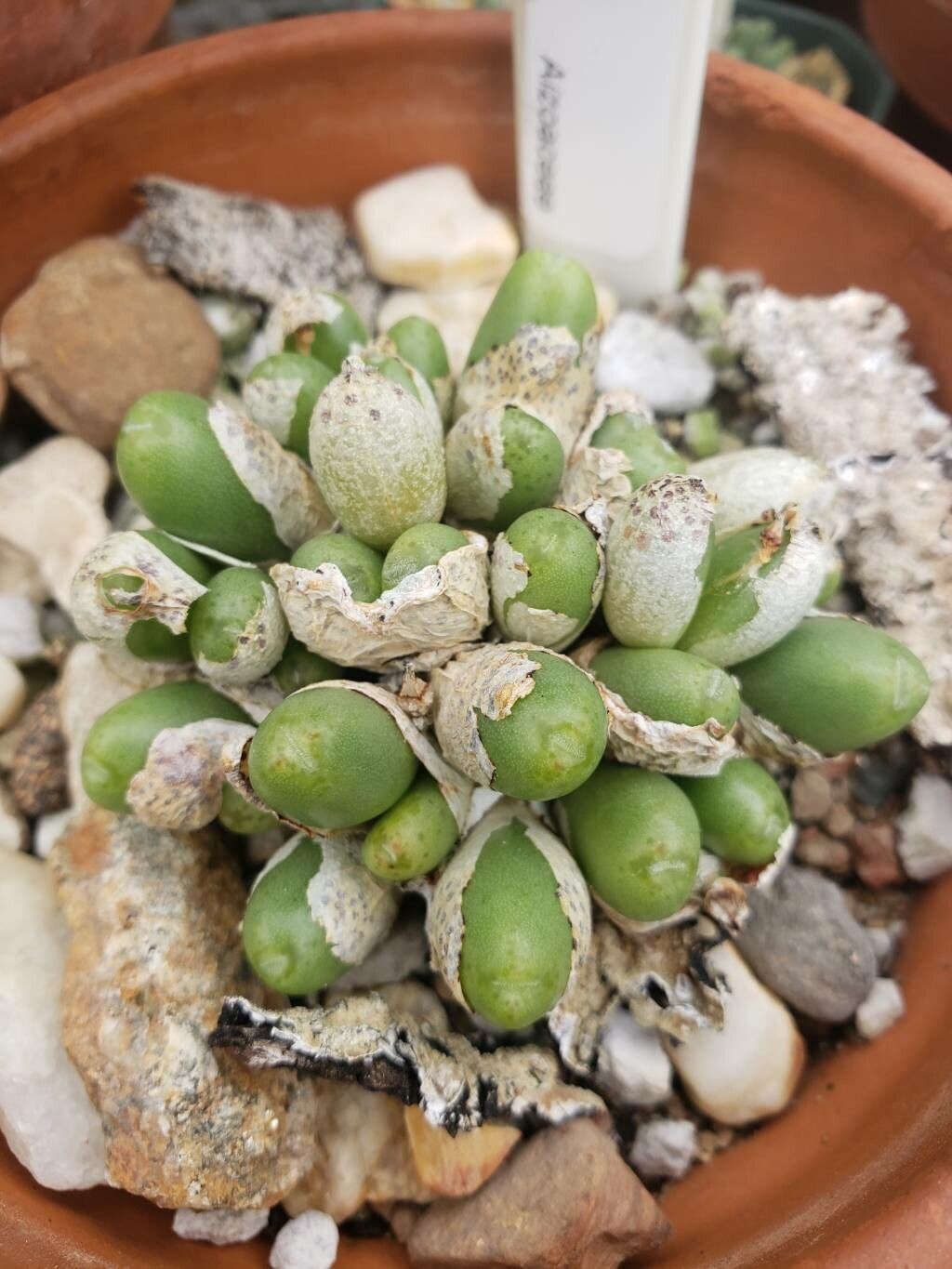
Ah, a fellow admirer of Conophytum bruynsii! If you’re drawn to these fascinating little living stones, you’re in for a treat. Their unique, fused leaves, resembling tiny pebbles or even little eyes gazing up at you, are truly captivating. Propagating them is a wonderful way to expand your collection and share their charm with others. Now, I’ll be honest, Conophytum bruynsii can be a touch fussy, especially for absolute beginners. They’re not as forgiving as some of the more robust succulents, but with a bit of care and attention, you absolutely can be successful!
The Best Time to Start
For Conophytum bruynsii, late spring or early summer is generally the sweet spot for propagation. This is when the plants are typically emerging from their winter dormancy and actively growing. You’ll see them plump up and become more receptive to taking root. Trying to propagate out of season can lead to disappointment, as the plant’s energy is focused elsewhere.
Supplies You’ll Need
- Well-draining soil mix: A specialized succulent or cactus mix is a must. I like to add a good portion of pumice or perlite to ensure excellent drainage. For Conophytums, I might even go a bit more gritty.
- Sharp, clean pruning shears or a sharp knife: Sterilize them with rubbing alcohol before each use to prevent disease.
- Rooting hormone (optional but recommended): This can give your cuttings a nice boost. Look for one formulated for succulents.
- Small pots or seedling trays: Make sure they have drainage holes! Tiny pots are perfect for these little guys.
- Watering can with a fine rose or a spray bottle: Gentle watering is key.
- Labels and a permanent marker: Don’t forget to label your new babies!
Propagation Methods
The most reliable way to propagate Conophytum bruynsii is through division. They tend to form clumps over time, and separating these clumps is like giving your parent plant a little haircut while also creating new life.
Here’s how I do it:
- Wait for the right moment: As mentioned, late spring/early summer is ideal. Your plant should be actively growing, not dormant or actively flowering.
- Gently remove from pot: Carefully tip your C. bruynsii out of its pot. You might need to loosen the soil around the edges with a small tool if it’s tightly bound.
- Inspect the clump: Look for natural divisions. You’ll see where one body of the plant joins another. These are your potential new plants.
- Prepare your tool: Make sure your shears or knife are sterilized and razor-sharp.
- Make the cut: Carefully and cleanly separate a clump that has a few bodies attached. Try to make a clean cut right where the bodies meet. If roots are attached to the clump you’re taking, even better!
- Let it callus: This is crucial! Place the separated clump in a dry, shaded spot for 2-3 days. This allows the cut end to dry and form a callus. This prevents rot when you plant it.
- Planting: Fill your small pots with your gritty, well-draining soil mix. Make a small indentation in the center and gently place the callused cutting into the soil. You want the base to be firmly in contact with the soil.
- Initial watering: Do not water immediately after planting. Wait at least a week before giving it its first light watering. This gives the plant a chance to settle in and the cut end to continue healing.
The “Secret Sauce” (Pro Tips)
- Don’t overwater, ever! This is the cardinal sin with Conophytums. They are incredibly susceptible to rot. I’m talking about watering perhaps once every 2-3 weeks during active growth, and even less during their dormancy. Always check the soil is dry several inches down before even thinking about watering.
- Embrace the dry period: Conophytums have a distinct dormancy period, usually in late summer or early fall. During this time, stop watering completely. They are designed to survive dry spells. You’ll see them shrivel a bit – don’t panic! It’s their way of conserving energy.
- Bottom heat can be a friend: If you’re propagating in cooler months or want to speed things up, a heat mat set to a low temperature (around 70-75°F / 21-24°C) can really encourage root development. Just ensure the soil itself isn’t getting soggy.
Aftercare & Troubleshooting
Once your division shows signs of new growth – and this can take several weeks or even a couple of months – you’ve got yourself a new little C. bruynsii! Continue to water sparingly during its active growing season and keep it out of direct, scorching sun. Bright, indirect light is perfect.
The most common problem you’ll encounter is rot. If you see a division going mushy, black, or collapsing at the base, it’s likely rot. Unfortunately, once rot sets in, it’s very difficult to save. Prevention through excellent drainage and minimal watering is your best defense. If a small bit of rot appears, you can try to cut away the affected part with a sterilized knife and let the remaining healthy tissue callus over, but success is not guaranteed. Also, watch out for mealybugs. They love to hide in the tight crevices of these plants. A swift wipe with isopropyl alcohol on a cotton swab usually does the trick.
A Encouraging Closing
Be patient. That’s my biggest piece of advice for propagating Conophytum bruynsii. These little gems take their time. Celebrate every little bit of progress, and don’t be discouraged if a cutting doesn’t make it. Each attempt is a learning experience. Enjoy the quiet satisfaction of nurturing these tiny wonders from a piece of the parent plant into their own thriving individuals. Happy growing!
Resource:
https://identify.plantnet.org/k-world-flora/species/Conophytum%20bruynsii%20S.A.Hammer/data