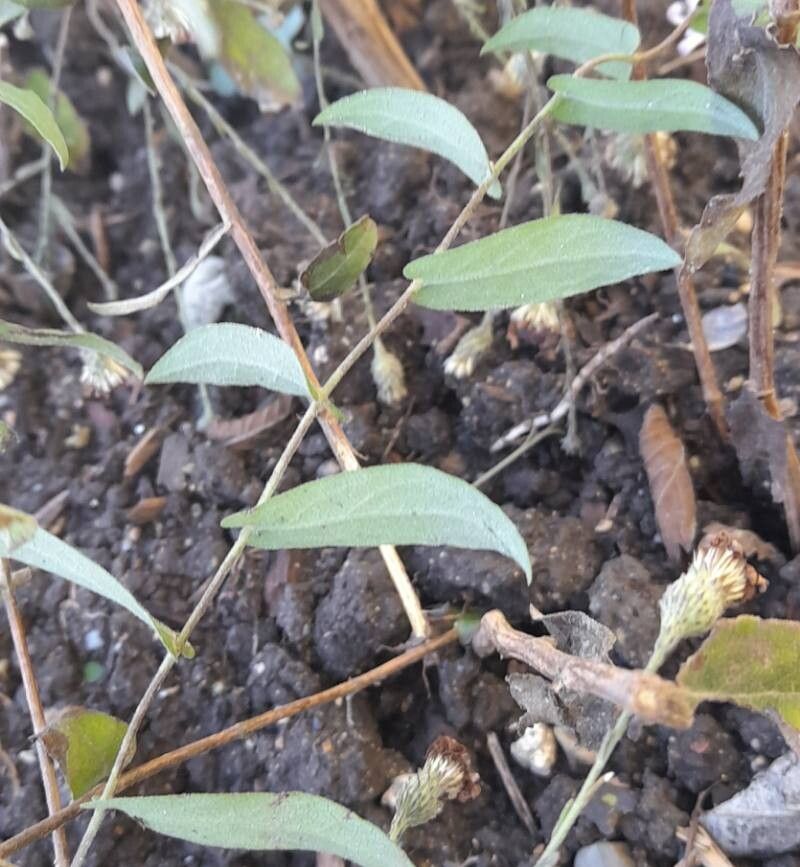
Bringing More “Wavy Leaf Aster” to Your Garden: A Friendly Guide to Propagating Symphyotrichum patens
Ah, the Wavy Leaf Aster (Symphyotrichum patens)! Isn’t it just a delight? Those lovely purple-blue daisy-like flowers carpeting the autumn garden, attracting all sorts of buzzing visitors. If you’ve ever admired this prairie beauty and wished you had more of it gracing your beds, you’re in luck! Propagating it is a truly rewarding endeavor, and I promise, it’s not as daunting as it might sound. In fact, compared to some fussier plants, I find Symphyotrichum patens to be quite amenable to a little bit of gardening intervention. Beginners, this is a great one to try!
The Sweet Spot: When to Get Your Hands Dirty
For the best chances of success, I always reach for my trowel in the spring, after the last frost has winked out. This is when the plants are really waking up from their winter slumber, full of vigor and ready to produce new growth. Taking stem cuttings at this time means you’re working with young, pliable stems that root more readily. If you miss this window, don’t despair! You can also enjoy a bit of propagation magic in the late summer, just as the flowering stems are developing.
What You’ll Need for Your Propagation Station
Gathering your supplies beforehand makes the whole process so much smoother. Here’s what I usually have on hand:
- Sharp pruning shears or a clean knife: For making clean cuts that heal well.
- Small pots or trays: With drainage holes, of course!
- Sterile potting mix: I like a blend of equal parts peat moss or coco coir and perlite. This ensures good drainage and aeration, which is crucial for root development.
- Rooting hormone (optional but recommended): A light dusting can significantly speed up the rooting process.
- Watering can or mister: For gentle watering.
- Plastic bag or humidity dome: To create a mini-greenhouse effect.
- Labels: Don’t forget to label your little charges!
Bringing New Asters to Life: My Go-To Methods
Let’s dive into how we’ll create those new Wavy Leaf Asters.
Method 1: Stem Cuttings – The Classic Approach
This is my personal favorite for Symphyotrichum patens.
- Select your stem: Look for a healthy, non-flowering stem that’s about 4-6 inches long. You want a stem that’s firm but still a little flexible, not woody.
- Make the cut: Using your sharp pruning shears, make a clean cut just below a leaf node (where a leaf emerges from the stem). This is where the magic really happens; roots love to sprout from these points.
- Prepare the cutting: Gently remove the lower leaves from the bottom half of the stem. You want to avoid any foliage touching the soil or water later on, as this can lead to rot.
- Dip in hormone (if using): Lightly dip the cut end into your rooting hormone. Tap off any excess.
- Pot them up: Fill your small pots with your prepared potting mix. Make a small indentation in the center with your finger or a pencil.
- Insert the cuttings: Gently insert the prepared cuttings into the soil, ensuring at least a couple of leaf nodes are buried. Firm the soil gently around them.
- Water and cover: Water thoroughly and then place your pots into a plastic bag or cover them with a humidity dome. This keeps the humidity high, which is vital for preventing the cuttings from drying out before they can form roots. You can prop the bag open a bit with stakes to prevent the leaves from touching the plastic.
Method 2: Division – A Springtime Treat
This method is best done in early spring when the plant is just emerging.
- Gently dig up the clump: Carefully dig around the established aster clump, lifting it out of the ground.
- Inspect the roots: Gently shake off excess soil to expose the root ball.
- Separate the divisions: You can often gently pull apart the clump with your hands. If it’s a bit stubborn, use a clean trowel or your knife to slice through the roots and crown, ensuring each division has at least one bud or growing point and a good portion of roots.
- Replant immediately: Replant your divisions into their new locations or into pots filled with good soil. Water them in well.
The “Secret Sauce”: My Insider Tips
Here are a few little tricks that have served me well over the years:
- The bottom heat boost: For stem cuttings, placing your pots on a gentle heat mat can make a world of difference. It encourages root growth from below, really speeding things up. Just a gentle warmth, nothing too hot!
- The “finger test” for soil moisture: Instead of just watering on a schedule, trust your finger! Stick it about an inch into the soil. If it feels dry, it’s time to water. Too much moisture is the enemy of happy roots.
- “Leggy” is good! Sometimes, cuttings get a bit leggy reaching for light. Don’t be tempted to cut them back too much. A little leggy growth just means they’re reaching for resources, and those longer stems can actually develop more root points.
Aftercare and What to Watch For
Once your cuttings have started to show signs of life – new leaf growth is the key indicator – it’s time to adjust their care.
- Gradual acclimatization: Slowly remove the plastic bag or humidity dome over a few days to allow the new plants to adjust to normal humidity levels.
- Consistent moisture: Keep the soil consistently moist but not soggy. You should see new roots developing when you gently tug on a cutting – there will be resistance.
- Transplanting: Once your new aster has a decent root system and has been acclimatized, you can transplant it into a larger pot or its final garden home.
Now, what if things go wrong? The most common culprit is rot. If your cuttings turn black and mushy, it’s almost always due to too much moisture and poor air circulation. If you see wilting that doesn’t perk up after watering, it could be lack of moisture, or potentially root rot if the soil is constantly wet. Don’t be discouraged if you lose a few; it happens to all of us! Learn from it and try again.
Happy Propagating!
Watching a tiny cutting transform into a vibrant new plant is one of the greatest joys of gardening. Be patient with your Wavy Leaf Asters. Give them good care, a little warmth, and they’ll reward you with their beautiful blooms for years to come. Enjoy the process, and happy planting!
Resource: