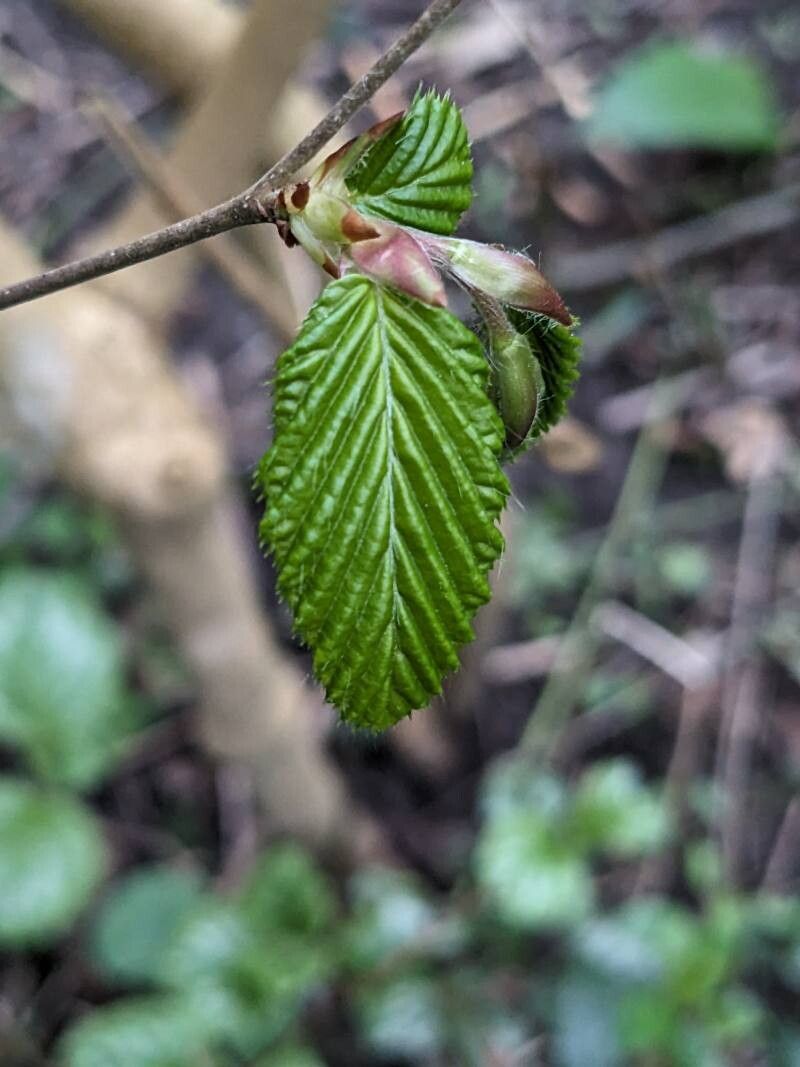
Oh, Common Hornbeam! What a tree. I’ve spent decades admiring its elegant, rippling bark and its handsome, dense foliage that holds its color beautifully well into autumn. It’s a fantastic tree for hedging, for specimen planting, or even for training into a magnificent bonsai. And honestly, propagating your own Carpinus betulus is incredibly satisfying. It’s not the absolute easiest plant to start from scratch, but with a little patience and the right approach, it’s absolutely achievable and so rewarding.
When to Get Your Hands Dirty
For Common Hornbeam, the best time to propagate from cuttings is late spring to early summer, when the new growth is semi-hardened. You’re looking for stems that have started to firm up a bit but are still flexible. Soft, floppy new growth often struggles, and wood that’s too mature won’t root as readily. In some regions, you might also find success with dormant hardwood cuttings in late winter, but the semi-hardwood approach is usually my go-to for reliability.
Your Propagation Toolkit
Gathering the right supplies makes all the difference. Here’s what I usually have on hand:
- Sharp Pruning Shears or a Craft Knife: Clean cuts are crucial for healthy rooting.
- Rooting Hormone: While not always strictly necessary for hornbeam, it can give your cuttings a significant boost. Look for one with IBA.
- Potting Mix: A well-draining, sterile mix is key. I often use a 50/50 blend of perlite and peat moss, or a specialized seed starting mix. Avoid heavy garden soil.
- Small Pots or Trays: Clean pots are a must to prevent disease. Small ones are perfect for cuttings.
- Plastic Bags or a Propagator Lid: This helps maintain humidity around your cuttings.
- Water Spray Bottle: For keeping cuttings moist.
- Labels and a Marker: Don’t lose track of what you’ve planted!
Bringing Hornbeam to Life: Step-by-Step
Let’s dive into how I get new hornbeam plants going.
1. Taking Semi-Hardwood Cuttings (My Preferred Method)
This is where we capture that perfect stage of growth.
- Select Your Parent Plant: Choose a healthy, vigorous Carpinus betulus.
- Make the Cut: Look for stems that are about pencil-thick and have reached that semi-hardy stage – they’ll snap rather than bend when you gently try to break them. Take cuttings that are 4-6 inches long. Make your cut just below a leaf node (where a leaf attaches to the stem).
- Prepare the Cuttings: Gently remove the lower leaves, leaving just a couple of leaves at the top. If the remaining leaves are very large, you can cut them in half to reduce water loss through transpiration.
- Apply Rooting Hormone: Dip the cut end of each cutting into the rooting hormone, tapping off any excess.
- Plant Your Cuttings: Fill your clean pots with the well-draining potting mix. Make a hole with a pencil or your finger and insert the cutting, ensuring the dipped end is buried. Firm the soil gently around the base.
- Water and Cover: Water the pots thoroughly until water drains from the bottom. Then, cover the pots loosely with a plastic bag or place them inside a propagator, creating a humid environment.
- Provide Light: Place the pots in a bright location but out of direct sunlight. A north-facing windowsill is often ideal.
2. Water Propagation (A Simpler, Visual Approach)
This method offers a satisfying view of root development.
- Select and Cut: Follow the same cutting process as above, but you can often get away with slightly softer wood here.
- Prepare the Cuttings: Remove all leaves except for the top two.
- Place in Water: Put the cuttings in a clean jar or glass filled with fresh, clean water.
- The “Secret Sauce” Rule: Crucially, ensure no leaves are submerged in the water. Only the cut stem should be in contact with the water. Submerged leaves will rot and likely kill the cutting.
- Change Water Regularly: Change the water every few days, or whenever it looks cloudy.
- Find the Right Spot: Place the jar in a bright spot, away from direct sun.
My Little Secrets (The “Secret Sauce”)
Over the years, a few things have just made a world of difference for me.
Firstly, for those cuttings struggling to look perky, bottom heat can be a game-changer. A simple heated propagation mat, placed under your pots, provides gentle warmth to the base of the cutting. This encourages root development without overheating the foliage. I’ve found it significantly speeds up the process.
Secondly, don’t be too quick to transplant. When you see those beautiful roots forming (you might see them peeking out of the drainage holes, or visible in water propagation), wait until the roots are well-established and you have a good network. Trying to move them too early can shock them and set them back. Patience here is truly a virtue.
And finally, when taking cuttings, use the most vigorous, healthy shoots. Strong parent material often translates to stronger offspring. Don’t be tempted to use floppy, weak stems, even if you have an abundance of them.
Nurturing Your New Sprouts & What To Watch For
Once you see promising roots, it’s time to give them a bit more space.
- Transplanting: When roots are about an inch long, gently pot your cuttings into individual pots filled with your well-draining potting mix. Handle them carefully to avoid damaging those precious new roots.
- Keep it Humid: Continue to keep them in a humid environment for a week or two after transplanting. Gradually introduce them to lower humidity levels as they establish.
- Water Wisely: Water when the top inch of soil feels dry. Avoid letting them sit in soggy soil.
- Signs of Trouble: The most common issue is rot, which usually appears as a blackening or mushy stem at the soil line. This is often caused by too much moisture and poor air circulation. If you see this, sadly, that cutting is likely lost. Another sign of failure is a cutting that just shrivels up and doesn’t perk up – this can be due to lack of moisture, or sometimes, the cutting just wasn’t viable. Don’t despair! It happens to all of us.
Go Forth and Grow!
Propagating Carpinus betulus takes a bit of finesse, but the reward of nurturing your own magnificent tree from a tiny cutting is immense. Be patient with yourself and the process. Enjoy the journey of watching these little green wonders take root and thrive. Happy gardening!
Resource:
https://identify.plantnet.org/k-world-flora/species/Carpinus%20betulus%20L./data