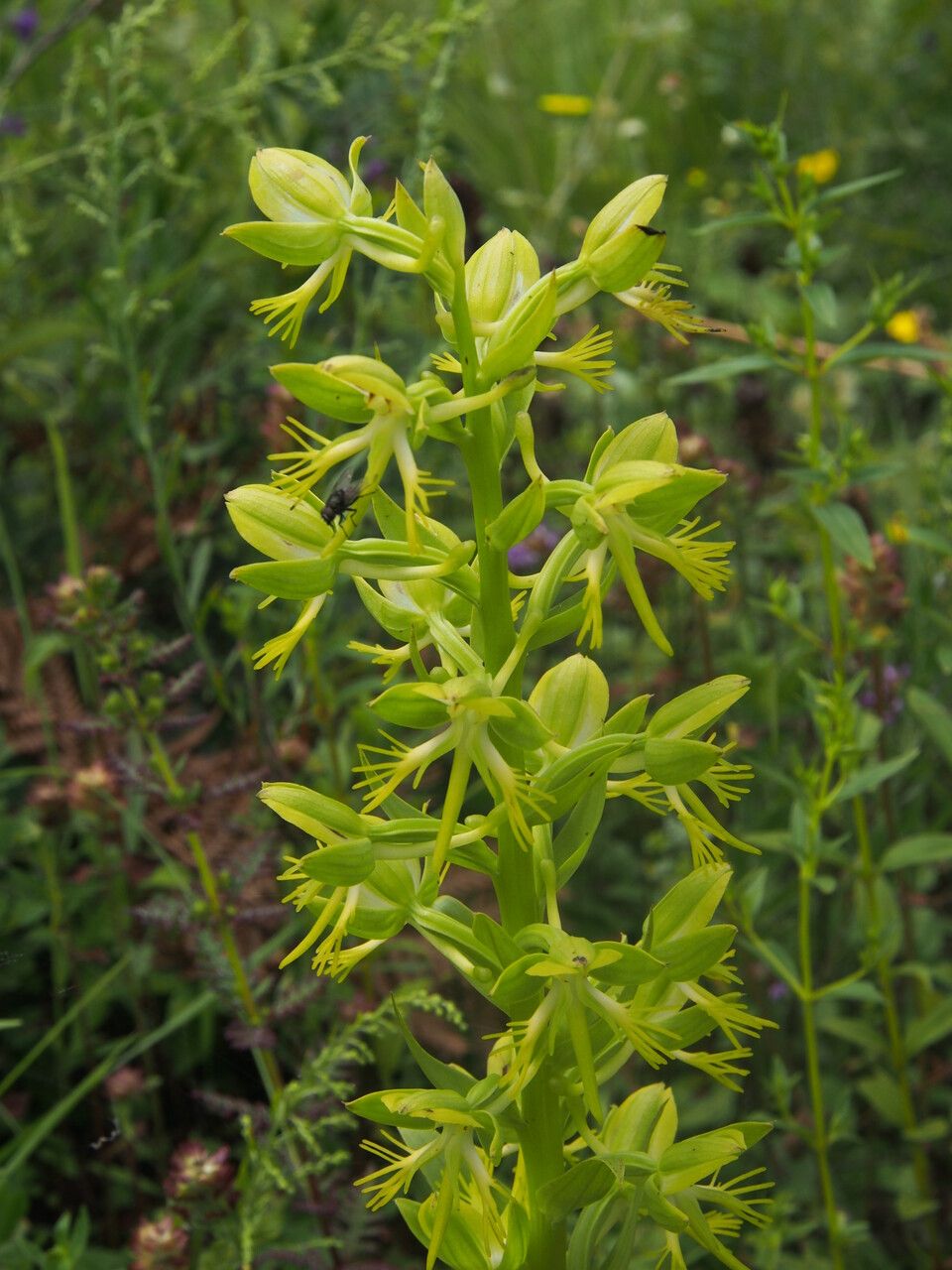
Oh, hello there! Come on in, grab a mug of something warm. Let’s chat about one of my absolute garden joys: the Habenaria pectinata.
Welcoming More Blooms: Propagating the Delightful Habenaria pectinata
There’s something truly magical about the Habenaria pectinata. Its delicate, often brightly colored blooms are a real showstopper, and for me, there’s no greater reward than seeing a tiny bit of myself, nurtured from a parent plant, burst into life. If you’ve ever admired this beauty and wished you had more, you’re in the right place! Now, I’ll be honest, Habenaria pectinata isn’t usually the first plant I’d hand to a complete beginner. It has its quirks, but with a little patience and the right approach, you’ll be well on your way to success.
The Perfect Moment: When to Propagate
Timing is everything, as we gardeners know! For Habenaria pectinata, the best window for propagation is typically during its active growing season. This usually means late spring through early summer, after the plant has shown signs of new growth emerging from its tuber or rhizome. You’re looking for healthy, vigorous shoots that are a few inches tall. Trying to take cuttings when the plant is dormant or stressed is a recipe for disappointment.
Gathering Your Arsenal: What You’ll Need
Don’t worry, it’s not an exhaustive list, just the essentials to give your new plantlets the best start.
- Sharp, clean pruning shears or a small, sharp knife: For making clean cuts.
- A well-draining potting mix: I like a blend of perlite, coco coir, and a touch of orchid bark. Aim for something airy that won’t hold too much moisture.
- Small pots or seed trays: Whatever suits how many you plan to propagate.
- Rooting hormone powder (optional but recommended): This can give your cuttings a helpful boost.
- Sphagnum moss (optional): Great for keeping humidity up.
- Spray bottle: For gentle misting.
- Clear plastic bag or propagation dome: To create a mini-greenhouse effect.
Bringing New Life: Propagation Methods
There are a couple of ways to get more Habenaria pectinata from your established plant. For this particular beauty, division is often the most reliable, but we can also try our hand at stem cuttings if you have a particularly lush specimen.
Method 1: Division (My Go-To)
This is like giving your plant a haircut and getting bonus babies!
- Gently unpot your Habenaria pectinata during its active growing season. Try to disturb the root ball as little as possible.
- Examine the root system. You’re looking for distinct sections of the rhizome or tuber that have their own healthy-looking shoots or buds.
- Using your clean shears or knife, carefully separate these sections. Make sure each division has at least one healthy shoot and some root attached. If there’s a lot of tangled root, you might need to gently tease it apart.
- Allow the cut surfaces to air dry for a few hours or even overnight. This helps prevent rot.
- Pot each division into its own small pot filled with your well-draining mix. Plant it at the same depth it was previously growing.
- Water very lightly just to settle the soil. Don’t drench it.
Method 2: Stem Cuttings
This can be a bit trickier, as sometimes these cuttings can be fussy about rooting.
- Identify a healthy, non-flowering stem from your Habenaria pectinata. Look for a stem that’s a few inches long and has at least two or three nodes (the little bumps where leaves emerge).
- Using your sharp tool, make a clean cut just below a node. You want a cutting that’s about 3-4 inches long.
- (Optional) Dip the cut end into rooting hormone powder.
- Prepare your pot. Fill it with your well-draining mix.
- Insert the cut end of the stem into the potting mix, ensuring at least one node is buried.
- Water very gently.
The “Secret Sauce”: My Insider Tips
These are the little things I’ve learned over the years that make a difference.
- Hygiene is paramount! Always use clean tools and pots. Fungal and bacterial infections are the biggest enemies of new propagates, especially with plants that appreciate drier conditions.
- Humidity is your friend for cuttings, but only initially. For stem cuttings, I’ll pop them into a pot covered with a clear plastic bag or under a propagation dome. This creates a humid environment that encourages root formation. However, once you see signs of rooting, you need to gradually acclimate them to lower humidity to prevent fungal issues.
- Bottom heat is a game-changer. If you’re struggling with cuttings or divisions to take off, placing your pots on a gentle heat mat can really speed up root development. Think of it as a cozy little sunbeam for their roots.
Nurturing Your New Sprouts & What to Watch For
Once your division is potted or your cutting is in its new home, it’s time for tender loving care.
- Light: Place your new propagates in bright, indirect light. Avoid direct sun, which can scorch their delicate new growth.
- Watering: This is crucial. Water sparingly. You want the soil to be consistently moist but never soggy. Overwatering is the fastest way to rot your efforts. For cuttings, a light misting with your spray bottle daily can help maintain humidity while waiting for roots.
- Patience! Division is usually quicker, but cuttings can take weeks, sometimes even months, to show significant root development. You might see new top growth emerging – that’s a great sign!
Troubleshooting: The most common issue is rot. If you see your cutting or division turning mushy or black, it’s likely from too much moisture and/or poor air circulation. If caught early, you might be able to salvage a healthy section from a rot-affected piece by re-cutting and allowing it to dry thoroughly before repotting in fresh, dry mix. If the entire thing has gone mushy, it’s sadly time to start again.
Keep Growing, My Friend!
Propagating plants, especially something as beautiful as Habenaria pectinata, is a journey of learning and patience. Don’t be discouraged if your first attempt isn’t a runaway success. Each time you try, you’ll learn a little more about what your plant needs. Embrace the process, enjoy the anticipation, and celebrate every new leaf or root you discover. Happy propagating!
Resource:
https://identify.plantnet.org/k-world-flora/species/Habenaria%20pectinata%20D.Don/data