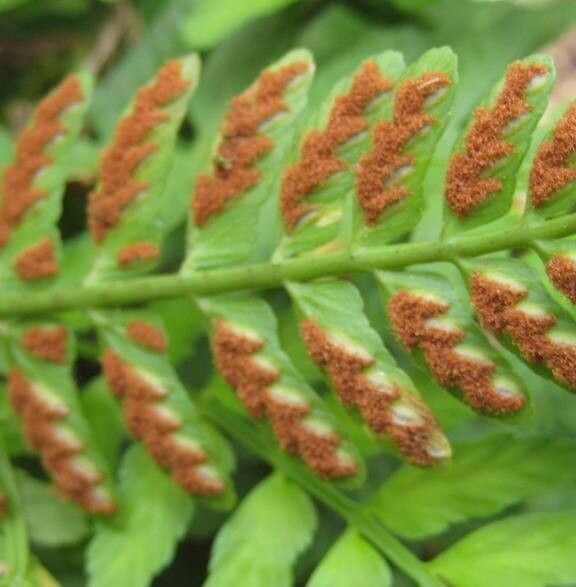
Oh, hello there! I’m so glad you’re here and interested in Asplenium erosum. This fern, with its beautifully ruffled, almost lacy fronds, is such a delight. It brings a touch of wild elegance to any shady corner, and honestly, there’s something incredibly satisfying about nurturing a new plant from a piece of an old one. It makes you feel like a bit of a plant magician, doesn’t it?
Asplenium erosum can be a tad particular, but don’t let that deter you! With a little patience and these tips, I think you’ll find propagating it quite achievable, even if you’re relatively new to the gardening game.
The Best Time to Start
I find the absolute sweet spot for propagating Asplenium erosum is during active growth, which typically means the spring and early summer months. The plant is energized, and new roots and shoots are more likely to form readily. Aim for when you see new fronds unfurling or the plant looking generally robust and healthy.
Supplies You’ll Need
Gathering your tools beforehand makes the whole process so much smoother. Here’s what I usually have on hand:
- Sharp, clean pruning shears or a sharp knife: For making clean cuts.
- Rooting hormone (optional but recommended for faster results): A powder or gel.
- Small pots or propagation trays: Ensure they have drainage holes.
- A well-draining potting mix: I like a blend of good quality potting soil, perlite, and a bit of peat moss. You want it to hold moisture but not become waterlogged.
- A spray bottle: For misting.
- A clear plastic bag or propagation dome: To create a humid environment.
- Water: Preferably filtered or distilled, especially if your tap water is hard.
Propagation Methods
Asplenium erosum is often propagated through division or by taking rhizome cuttings. Let’s dive into how I do it.
Division
This is my go-to method for ferns like Asplenium erosum. It’s like giving your plant a haircut and getting new plants out of the deal!
- Gently remove the parent plant from its pot. If it’s been in the same pot for a while, you might need to loosen the soil around the edges with your knife or trowel.
- Inspect the root ball. You’re looking for distinct clumps or sections of the plant that appear to have their own root systems.
- Carefully divide the plant. You can often do this with your hands. If the roots are tightly bound, use your clean pruning shears or knife to make a clean cut through the root ball, ensuring each section has some roots and at least one healthy frond or bud.
- Pot up the divisions. Place each new division into its own small pot filled with your prepared potting mix. Gently firm the soil around the roots.
Rhizome Cuttings
This method is a bit more advanced but can be very rewarding. The rhizome is the main stem of the fern, usually found just at or below the soil surface.
- Locate a healthy rhizome section. You’ll want a piece that has at least one bud or a developing frond.
- Using your clean, sharp knife or shears, make a clean cut to remove a section of the rhizome, about 2-3 inches long. Ensure it has a bud.
- Dip the cut end of the rhizome cutting into rooting hormone, tapping off any excess.
- Plant the cutting. Lay the rhizome horizontally on the surface of your moist potting mix, burying it just slightly with a thin layer of soil. Ensure the bud is pointing upwards.
The “Secret Sauce” (Pro Tips)
Here are a few of my little tricks that have helped me over the years:
- Humidity is King (and Queen!): Ferns absolutely adore moisture in the air. After planting your divisions or cuttings, cover the pots with a clear plastic bag or a propagation dome. This creates a mini-greenhouse effect, keeping the humidity high, which is crucial for root development. Just make sure to open it briefly each day to allow for air circulation and prevent fungal issues.
- Bottom Heat Can Be a Game-Changer: Ferns, especially when trying to root cuttings, respond incredibly well to a little warmth from below. If you have a heat mat, place your pots on it. It encourages root growth without stressing the developing fronds.
- Don’t Over-Water! This is a tough one because ferns love moisture, but over-watering is the fastest way to kill a new plant. The soil should feel consistently moist, like a wrung-out sponge, but never soggy. You should be able to squeeze it and only a few drops of water come out.
Aftercare & Troubleshooting
Once your divisions or cuttings have been planted, keeping them in indirect light and that humid environment is key.
- Water Sparingly: Check the soil moisture regularly. Water only when the top inch of soil feels dry to the touch. Misting the fronds can also be beneficial.
- Patience is a Virtue: It can take several weeks, sometimes even a few months, for new roots to establish and for you to see significant new growth. Don’t get discouraged!
- Watch for Rot: The most common sign of trouble is rot. If you see mushy, brown stems or fronds, it’s usually a sign of too much moisture. You might need to pull the affected cutting or division and let it dry out more. If the whole thing looks like it’s dissolved, it’s likely a goner, and you’ll need to start again, paying closer attention to airflow and watering. Yellowing fronds can also indicate too much water or not enough light.
Remember, gardening is a journey, and propagation is one of its most rewarding destinations. Don’t be afraid to experiment and learn from each attempt. Be patient with your new Asplenium erosums, and before you know it, you’ll be surrounded by beautiful, home-grown ferns. Happy propagating!
Resource:
https://identify.plantnet.org/k-world-flora/species/Asplenium%20erosum%20L./data