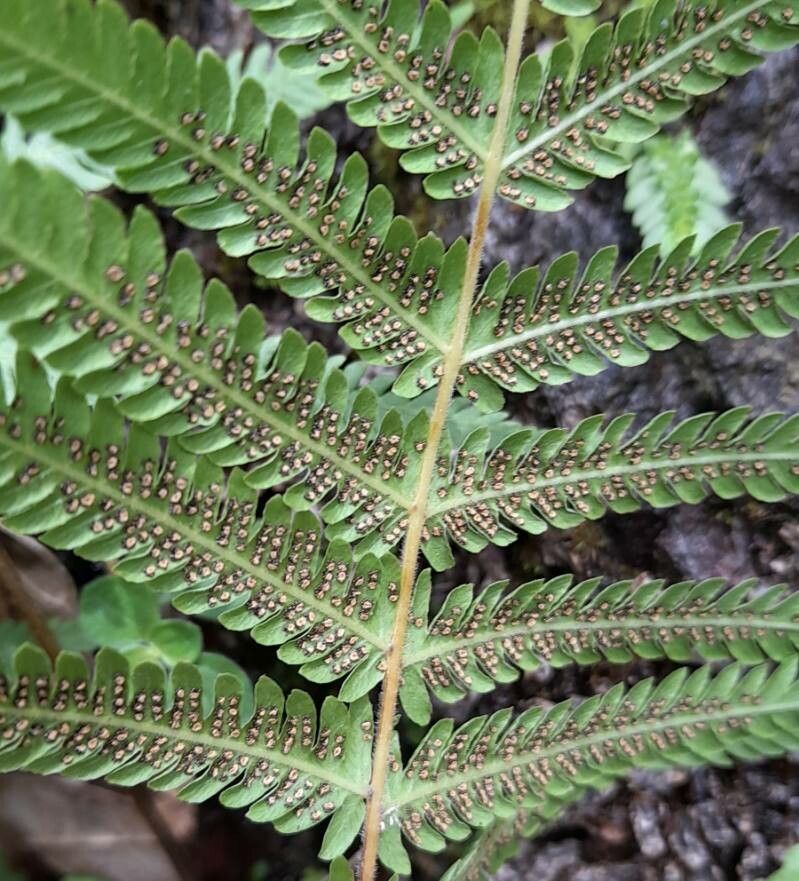
Oh, hello there, fellow green enthusiast! I’m so happy you’re interested in Thelypteris kunthii, also known as Kunth’s Southern Wood Fern. If you’ve ever seen this beauty gracing a shady corner, you know its appeal. Its delicate, arching fronds bring such a lush, tropical feel to any garden. And the best part? It’s delightfully easy to propagate, making it a fantastic plant for folks just dipping their toes into the wonderful world of plant reproduction. You’ll feel like a garden magician in no time!
The Best Time to Start
Honestly, the easiest time to get your hands on new Thelypteris kunthii plants is during its active growing season. This typically falls in late spring and through the summer. You’re looking for healthy, vigorous growth. Think of it as taking cuttings from a plant that’s just bursting with energy – it’s more likely to take off without a fuss.
Supplies You’ll Need
Gathering your supplies beforehand makes the whole process much smoother. Here’s what I usually have on hand:
- Sharp pruning shears or a clean knife: For making clean cuts.
- Potting mix: A good quality, well-draining potting mix is key. I often use a blend of peat moss and perlite for good aeration.
- Small pots or trays: Whatever you have available, just ensure they have drainage holes.
- Watering can or spray bottle: For gentle watering.
- Rooting hormone (optional but helpful): Especially if you’re a bit nervous about success.
- Clear plastic bags or a propagation dome: To create a humid environment.
Propagation Methods: Let’s Get Growing!
This fern is wonderfully forgiving, and division is honestly my go-to method. It’s straightforward and yields great results.
Division: The Star of the Show
This is how I successfully multiply my ferns year after year.
- Gently dig up the plant: Carefully excavate your Thelypteris kunthii from its pot or garden bed. Try not to disturb the roots too much.
- Inspect the root ball: You’ll notice the plant naturally grows in clumps or rhizomes. Look for sections that have their own sets of fronds and a healthy root system.
- Separate the divisions: Using your hands or a clean knife, carefully pull or cut the clumps apart. You want each division to have a good amount of roots and at least one or two healthy fronds. Don’t worry if a few tiny roots break; it’s part of the process.
- Pot them up: Plant each division into its own pot filled with your well-draining potting mix. Make sure the top of the root ball is level with the soil surface.
- Water thoroughly: Give each new pot a good, gentle watering to settle the soil around the roots.
The “Secret Sauce” (Pro Tips)
Now, for a couple of little tricks I’ve learned over the years that make a big difference.
- Don’t go overboard with the shock: After dividing, I like to place the newly potted ferns in a shady spot and keep them consistently moist but not soggy for the first couple of weeks. This mimics their natural shady, damp habitat and helps them recover from the transplanting.
- Humidity is your friend: Right after potting, I often tent a plastic bag loosely over the pot or place it under a propagation dome. This traps humidity, which is crucial for ferns, especially while they’re establishing new roots. Just be sure to open it for a bit each day to allow for air circulation and prevent fungal issues.
Aftercare & Troubleshooting
Once you’ve got your divisions potted up, the real nurturing begins!
Keep the soil consistently moist. Ferns love humidity, so misting the fronds occasionally can also be beneficial, especially if you’re not using the plastic bag trick. Place them in a spot with bright, indirect light. Direct sun will scorch those delicate fronds in a heartbeat.
What to watch out for? The most common issue is root rot, which usually happens if the soil stays too wet. You’ll notice the fronds wilting, turning yellow, and becoming mushy. If you see this, lighten up on the watering and ensure your pot has good drainage. Sometimes, a division might not take. Don’t be discouraged! It happens to the best of us. Just try again with a new division.
A Heartfelt Encouragement
Propagating Thelypteris kunthii is a truly rewarding experience. It’s a chance to connect with nature, expand your plant collection for free, and share the beauty of these ferns with others. Be patient with yourself and your new little plants. Nature works at its own pace, and the joy is in the journey. Happy growing, my friends!
Resource: