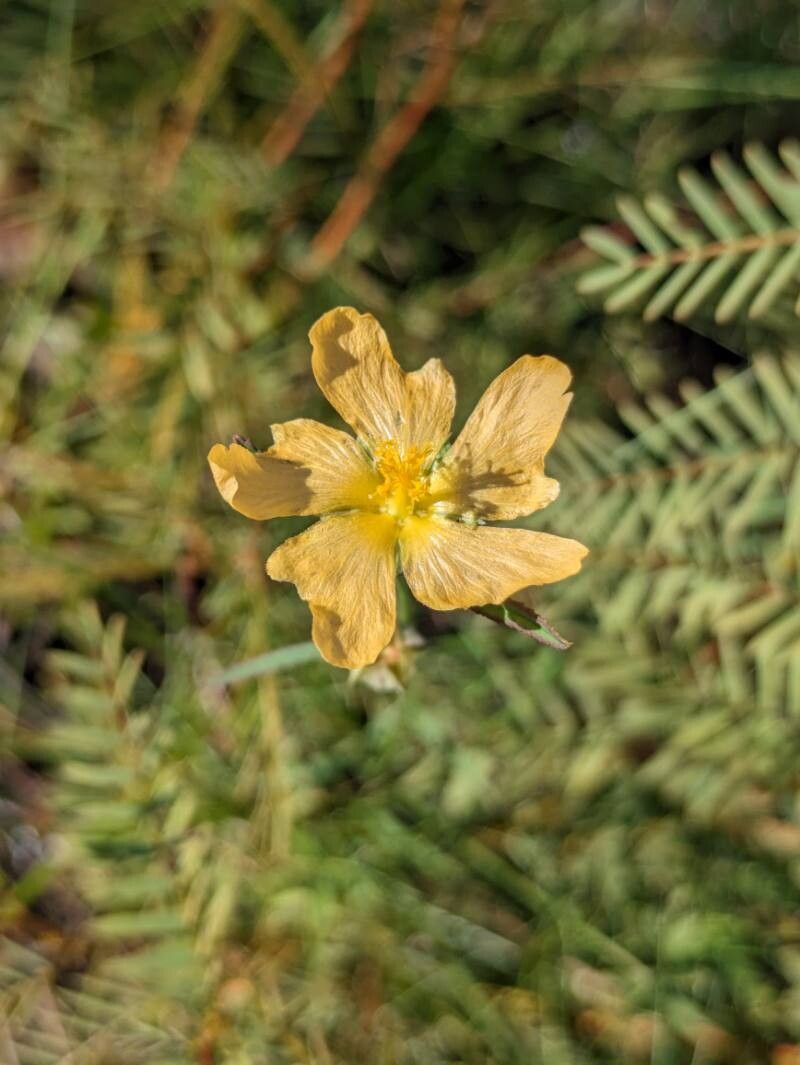
Hello there, fellow garden enthusiasts! Today, we’re diving into the wonderful world of propagating Sida elliottii, also known as Elliott’s Sida. This little beauty, with its cheerful, star-shaped yellow flowers, can bring such a burst of sunny disposition to any garden. And believe me, coaxing a new plant into existence from a piece of an existing one is one of the most satisfying things a gardener can do. It’s a connection to the life cycle, a way to share your garden’s bounty, and frankly, it’s just plain fun! Now, if you’re new to propagating, don’t you worry. Sida elliottii is a pretty forgiving plant, making it a fantastic choice for beginners. You’ve got this!
The Best Time to Start
My absolute favorite time to get my hands dirty with Sida elliottii propagation is during the late spring through early summer. It’s when the plant is in its active growing phase, full of life and energy. This means the cuttings are more likely to have the vigor needed to develop strong roots. Aim for when you see new, leafy growth that isn’t yet woody.
Supplies You’ll Need
Gathering your supplies beforehand makes the whole process so much smoother. Here’s what you’ll want to have on hand:
- Sharp Pruning Shears or a Knife: Clean cuts are crucial for healthy propagation.
- Rooting Hormone (Optional, but Recommended): A good quality rooting hormone can significantly boost your success rates for stem cuttings.
- Well-Draining Potting Mix: A mix formulated for cuttings or a blend of peat moss and perlite/vermiculite works wonderfully. You want it to hold moisture but not become waterlogged.
- Small Pots or Seed Starting Trays: Clean containers are essential to prevent diseases from setting in.
- Watering Can or Spray Bottle: For gentle watering.
- Plastic Bag or Dome: To create a humid environment for your cuttings.
- Labels: To keep track of what you’ve planted!
Propagation Methods
Sida elliottii is wonderfully amenable to a couple of straightforward propagation techniques. Let’s explore them.
Stem Cuttings: My Go-To Method
This is by far the most common and successful way I propagate Sida elliottii.
- Take Your Cuttings: On a bright, preferably slightly overcast day (less shocking for the plant), use your clean shears to take stem cuttings that are about 4-6 inches long. Look for healthy, non-flowering stems. Make your cut just below a leaf node – that’s where the roots will naturally want to form.
- Prepare the Cuttings: Gently remove the lower leaves, leaving only two or three at the very top. This prevents them from rotting in the soil and reduces moisture loss.
- Apply Rooting Hormone (If Using): Dip the cut end of each stem into your rooting hormone powder, tapping off any excess. This step is really beneficial for giving those root initials a good start.
- Plant Your Cuttings: Fill your small pots or trays with your moistened, well-draining potting mix. Make a small hole with a pencil or your finger. Insert the bottom inch or so of your cutting into the hole, making sure those leaf nodes are nestled into the soil. Gently firm the soil around the base of the cutting to ensure good contact.
- Create a Humid Environment: Water the soil gently. Then, cover the pot loosely with a plastic bag or a propagation dome. This creates a mini-greenhouse effect, keeping the humidity high and preventing the cuttings from drying out while they try to root. I like to prop the bag up a bit so it doesn’t touch the leaves.
Division: For Established Plants
If you have a mature, well-established Sida elliottii plant that’s looking a bit crowded, you can also propagate it through division.
- Gently Excavate: You’ll want to carefully dig up the entire plant. Try to disturb the root ball as little as possible.
- Separate the Divisions: Once you have the plant out of its pot or dug from the ground, you can use your hands or a clean spade to gently pull larger sections of the plant apart. Make sure each division has a healthy amount of roots and some foliage.
- Replant Immediately: Plant these divisions into fresh, well-draining soil as you would a young plant. Water them in well.
The “Secret Sauce” (Pro Tips)
Here are a few little tricks I’ve picked up over the years that really make a difference:
- Bottom Heat is Your Friend: While not strictly necessary for Sida elliottii, **placing your propagation pots on a heat mat designed for plants can dramatically speed up root development. The gentle warmth encourages root formation from the get-go.
- Avoid Direct Sun! I cannot stress this enough. Your precious cuttings, especially while they are establishing themselves, do not like direct, hot sun. They’ll dry out too quickly and get stressed. Place them in a bright, indirect light location. A windowsill that gets morning sun but is shaded in the afternoon is perfect.
- Don’t Drown Them! Overwatering is the quickest way to a sad, rotted cutting. Water thoroughly when you first plant, but then allow the top inch of soil to dry out slightly before watering again.
Aftercare & Troubleshooting
Once your cuttings have been planted, keep them in that humid environment and out of direct sun. Check for roots in about 3-4 weeks. You can give them a very gentle tug – if you feel resistance, roots are forming!
Once you see good root development (you might even see them peek through the drainage holes), it’s time to gradually acclimate them to lower humidity. Start by removing the plastic bag for a few hours each day, slowly increasing the time until they are used to the ambient air. Then, you can transplant them into their own individual pots.
The most common sign of trouble is rot. If your stem cuttings look brown, mushy, or black at the base, it’s a sign of too much moisture and not enough air circulation. Unfortunately, these are usually beyond saving. If you notice mold on the soil surface, a bit of airflow usually clears it up.
A Little Patience Goes a Long Way
Propagating Sida elliottii is a wonderful journey. You’re not just making more plants; you’re learning to understand and work with nature. Be patient with your cuttings, give them the right conditions, and celebrate every little sign of success. Happy propagating, and I can’t wait to see your new Sida elliottii plants bloom!
Resource:
https://identify.plantnet.org/k-world-flora/species/Sida%20elliottii%20Torr.%20&%20A.Gray/data