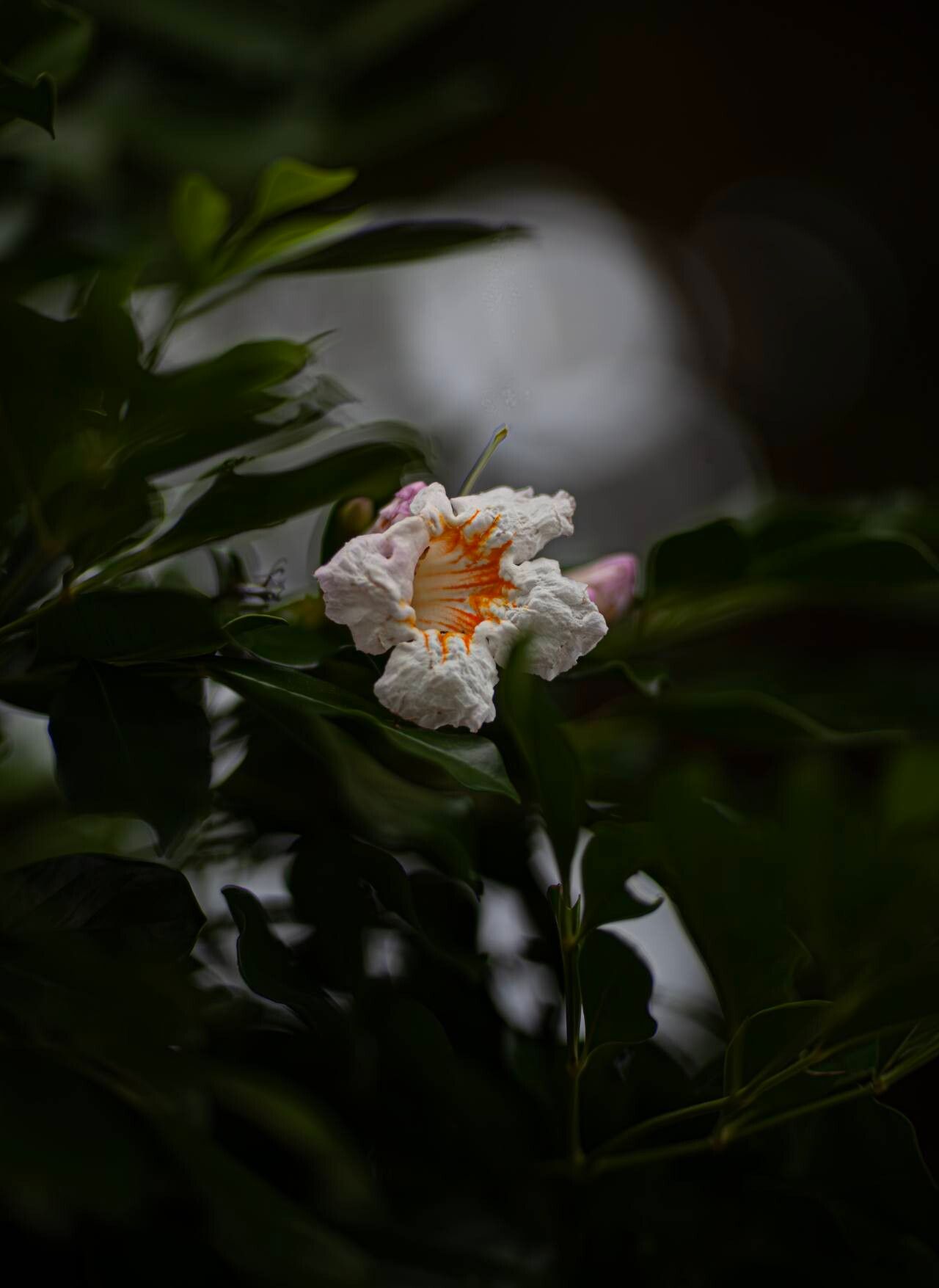
Oh, hello there, fellow garden enthusiast! I’m so happy you’ve stopped by. Today, we’re going to talk about a plant that’s truly captured my heart over the years: Radermachera yunnanensis. You might know it as the “Chinese Bell Flower” or even the “Feather Leaf Tree.” Its lacy, vibrant foliage and delicate, bell-shaped flowers are a sight for sore eyes, adding a touch of the exotic to any space.
And the best part? You can easily bring more of this beauty into your life by propagating it yourself! Now, I’ll be honest, this isn’t the most beginner-friendly plant to propagate, but with a little patience and these tried-and-true methods, I’m confident you’ll have success. It’s incredibly rewarding to take a cutting from a plant you love and watch it grow into its own independent life.
The Best Time to Start
Timing is everything when it comes to cuttings. For Radermachera yunnanensis, spring and early summer are your golden windows. This is when the plant is actively growing, energized by longer days and warmer temperatures. Think of it as nature’s little boost – it’s more likely to throw its energy into root production. You’ll want to take stem cuttings from healthy, vigorous new growth, not from old, woody stems.
Supplies You’ll Need
Gathering your tools beforehand makes the whole process smoother. Here’s what I always have on hand:
- Sharp Pruning Shears or Scissors: Clean cuts are crucial for the plant to heal and callus.
- Rooting Hormone: While not strictly essential for every plant, it gives your cuttings a significant edge. I prefer powder or gel forms.
- Well-Draining Potting Mix: A good blend is half potting soil and half perlite or coarse sand. You want air to circulate around those developing roots.
- Small Pots or Trays: Clean containers with drainage holes are a must.
- Clear Plastic Bag or Dome: This creates a humid microclimate, which is key for cuttings.
- Watering Can or Spray Bottle: For gentle watering.
- Optional: Heat Mat: This is a game-changer, especially if your propagation environment is a bit cool.
Propagation Methods
Let’s get our hands dirty! Stem cuttings are by far the most reliable way to propagate Radermachera yunnanensis.
Stem Cuttings
- Select Your Cuttings: Find a healthy stem on your established plant that has at least two sets of leaves. Look for semi-hardwood, which is kind of bendy but not floppy.
- Make the Cut: Using your clean pruning shears, cut the stem just below a leaf node (that’s where a leaf meets the stem). You’re aiming for cuttings about 4-6 inches long.
- Prepare the Cuttings: Gently remove the lower leaves, leaving just a couple of leaves at the very top. This prevents leaves from rotting in the soil and focuses the plant’s energy on root development.
- Apply Rooting Hormone: Dip the cut end of the stem into your rooting hormone, tapping off any excess.
- Plant Your Cuttings: Make a hole in your prepared potting mix with a pencil or your finger. Gently insert the cutting, ensuring the leaf nodes are below the soil surface. Firm the soil around the stem. You can plant several cuttings in one pot, giving them a little space.
- Water Gently: Water thoroughly but gently, allowing excess to drain away.
- Create Humidity: Cover the pot with a clear plastic bag or dome. Make sure the leaves don’t touch the plastic if possible – this can encourage rot. You can support the bag with sticks or stakes.
- Place in Bright, Indirect Light: Find a warm spot for your cuttings, but avoid direct sunlight, which can scorch them.
Water Propagation (Less Common, but Possible)
While I often prefer soil for Radermachera yunnanensis, some people have success with water.
- Prepare Cuttings as Above: Follow steps 1-3 from the stem cutting method.
- Place in Water: Put the cuttings in a clean jar or glass of water. Ensure the leaf nodes are submerged.
- Change Water Regularly: Change the water every 2-3 days to keep it fresh and prevent bacteria buildup.
- Location: Place the jar in bright, indirect light.
- When to Pot: Once you see a good amount of roots forming (at least an inch or two long), you can carefully plant them into your well-draining potting mix. Be gentle with those delicate roots!
The “Secret Sauce” (Pro Tips)
Here are a few little tricks I’ve picked up over the years that can make a big difference:
- Bottom Heat is Your Friend: If you have a heat mat designed for seedlings, placing your pots on it can significantly speed up root development. Roots love a warm base!
- Don’t Over-Water: This is probably the most common mistake. Soil that stays soggy is an invitation for rot. Let the top inch of soil dry out slightly between waterings. You’ll get a feel for it.
- Patience is a Virtue: Some cuttings root in weeks, others take a couple of months. If your cuttings still look green and aren’t wilting, they’re likely still working on their roots. Don’t give up too soon!
Aftercare & Troubleshooting
Once you start to see signs of new growth – tiny leaves unfurling or resistance when you gently tug on the cutting – you know you’ve got roots!
- Acclimatize: Gradually reduce the humidity by opening the plastic bag or dome a little more each day over a week. This helps the new plant adjust to drier air.
- Watering: Continue to water when the top inch of soil feels dry.
- Potting Up: Once the roots have filled the pot and you see good, healthy growth, you can transplant your new Radermachera into a slightly larger pot with fresh potting mix.
Signs of Trouble: The most common issue is rot. If your cuttings turn black and mushy at the base, or the leaves start to yellow and wilt despite being watered, it’s usually a sign of too much moisture. Sadly, these are often lost causes, but don’t get discouraged. Just start again with a fresh cutting and pay close attention to your watering.
A Little Encouragement
Propagating plants is a wonderful way to connect with nature and learn more about the life cycles of our green friends. Each successful cutting is a little victory, a testament to your nurturing hands. So, grab your shears, get your hands dirty, and enjoy the journey. You’ve got this!
Resource: