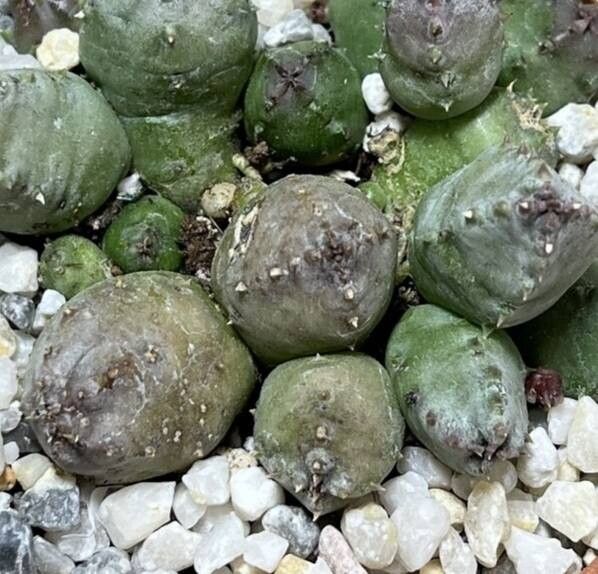
Hello fellow plant lovers! It’s so lovely to have you here. Today, we’re diving into the fascinating world of Huernia piersii. If you’ve ever seen one of these little gems, you know what I mean. They’re just about the cutest, most unusual succulents you can grow, with their star-shaped, often hairy flowers that can be quite surprisingly fragrant. They remind me of tiny, alien visitors in my succulent collection.
Propagating Huernia piersii is incredibly rewarding. It’s a wonderful way to duplicate those unique blooms and share them with friends, or simply expand your own fascinating collection without breaking the bank. For beginners, I’d say this plant falls into the “moderately easy” category. A little bit of patience and attention to its needs, and you’ll be successful!
The Best Time to Start
Honestly, I find that spring and early summer are the sweet spots for propagating Huernia piersii. This is when the plant is actively growing and has plenty of energy to put into developing new roots. You’re looking for healthy, mature stems that are firm and plump. Avoid anything that looks mushy or dehydrated.
Supplies You’ll Need
Before we get our hands dirty, let’s gather our supplies.
- Sharp pruning shears or a clean knife: For making precise cuts. Sterilize them with rubbing alcohol between cuts to prevent disease.
- Rooting hormone powder (optional but recommended): This little helper can give your cuttings a significant boost.
- Well-draining potting mix: I usually lean towards a cactus or succulent mix. You can even make your own by combining equal parts potting soil, perlite, and coarse sand. The key is that it dries out quickly.
- Small pots or trays: Terracotta pots are great because they breathe. Just make sure they have drainage holes!
- Watering can or spray bottle: Gentle watering is essential.
- A warm, bright spot: But avoid direct, scorching sun, especially for the new cuttings.
Propagation Methods
Huernia piersii is a champion of propagation, and the easiest way to get more plants is through stem cuttings.
- Take Your Cuttings: Gently twist or use your clean shears to snip off a healthy stem segment. Aim for a piece that’s at least 3-4 inches long, with a few segments intact. It’s best to take more than you think you’ll need – sometimes not all of them make it, and that’s perfectly normal.
- Let Them Callus: This is a crucial step! Place your cuttings in a dry, airy spot out of direct sunlight for 2-7 days. You want the cut end to dry out and form a callus. This protective layer prevents rot when you plant them. You’ll see the cut end looks dry and hardened.
- Apply Rooting Hormone (Optional): Once callused, lightly dip the cut end of each stem into rooting hormone powder. Tap off any excess.
- Plant Them: Fill your small pots or trays with your dry, well-draining potting mix. Make a small hole in the soil with your finger or a pencil.
- Insert the Cuttings: Gently insert the callused end of the cutting into the soil, deep enough so it stands upright. You want at least one or two nodes (where the leaves emerge) buried in the soil.
- Water Lightly: After planting, give the soil a very light watering, just enough to settle it around the cutting. Don’t drench it!
The “Secret Sauce” (Pro Tips)
Here are a couple of things I’ve learned over the years that really make a difference:
- Bottom Heat is Your Friend: If you can, placing your pots on a gentle seedling heat mat can significantly speed up root development. It mimics the warmth of summer soil and encourages those roots to get going.
- Resist the Urge to Water Constantly: This is probably the biggest mistake beginners make with succulents. Your Huernia cuttings need to dry out slightly between waterings. Overwatering is the express train to rot. Stick your finger into the soil; if it feels damp at all, wait. And when you do water, don’t let the leaves sit in standing water. Ensure good drainage.
Aftercare & Troubleshooting
Once your cuttings are planted, keep them in that warm, bright, indirect light. Avoid direct, harsh sun, which can scorch young plants. Over the next few weeks, you’ll see new growth emerge, indicating that roots are forming. You can gently tug on a cutting; if there’s resistance, it’s rooting!
The most common issue you might encounter is rot, which is usually a sign of too much moisture. If you see a cutting becoming mushy and discolored, unfortunately, it’s probably lost. Remove it immediately to prevent it from affecting other cuttings. Sometimes, failure is just part of the learning process. Don’t get discouraged!
A Little Encouragement
Propagating plants is a journey, and Huernia piersii is a delightful companion on that path. Be patient, observe your cuttings, and trust your instincts. Each new plant you grow is a testament to your care and dedication. Enjoy the process, and happy growing!
Resource:
https://identify.plantnet.org/k-world-flora/species/Huernia%20piersii%20N.E.Br./data