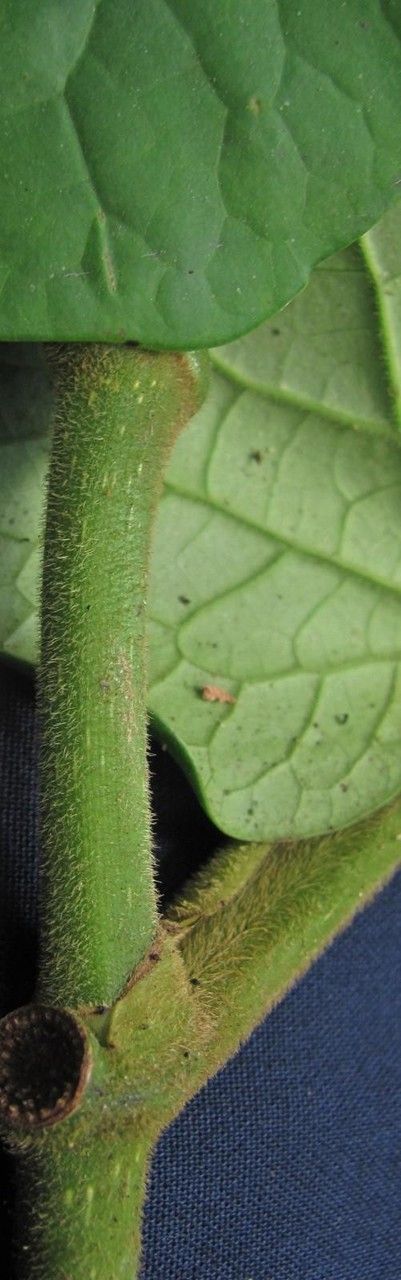
Oh, hello there! Pull up a chair and let’s chat about a truly special plant: Piper ceibense. If you’re looking for a touch of the exotic with lush, glossy leaves and a wonderfully tropical vibe, this one’s a winner. I’ve been growing and coaxing new life from them for years, and let me tell you, the satisfaction of turning a simple cutting into a flourishing new plant is just… magical. Now, is it a walk in the park for absolute beginners? Perhaps not the easiest plant to start with, but with a little patience and some know-how, you’ll be sharing your Piper ceibense babies with friends before you know it.
The Best Time to Start
Timing is everything, right? For Piper ceibense, I’ve found my best success rates come from taking cuttings in its active growing season, which is typically late spring through summer. You want to see vigorous new growth – those soft, tender shoots are much more eager to root than old, woody stems. Waiting until the plant is really putting on a show certainly makes the process more rewarding, and you’re working with the plant’s natural energy.
Supplies You’ll Need
Before we get our hands dirty, let’s gather our tools:
- Sharp, clean pruning shears or a sterile knife: A clean cut is crucial to prevent disease.
- Rooting hormone (optional but recommended): This little booster can really speed things up. I like the powdered kind.
- A well-draining potting mix: A 50/50 blend of perlite and peat moss works wonders. Some growers also swear by a mix with orchid bark for good aeration.
- Small pots or propagation trays: Clean, of course!
- A clear plastic bag or a humidity dome: To create a mini-greenhouse effect.
- Watering can with a fine rose head: Gentle watering is key.
- A warm spot: Like a windowsill that gets bright, indirect light. Bottom heat from a propagation mat can be a game-changer, especially if your room is a bit cooler.
Propagation Methods
Let’s dive into how we actually make new plants. I generally find stem cuttings to be the most reliable method for Piper ceibense.
Stem Cuttings
- Select your cutting: Find a healthy stem that has at least two or three sets of leaves. You’re looking for a piece that’s not too woody, but not too soft and floppy either. Aim for a cutting about 4 to 6 inches long.
- Make the cut: Using your clean shears or knife, make a clean cut just below a leaf node (where a leaf attaches to the stem). This is where the magic happens, as the root will emerge from this area.
- Prepare the cutting: Gently remove the lower leaves, leaving just the top one or two. If your remaining leaves are quite large, I sometimes snip them in half to reduce water loss.
- Apply rooting hormone (optional): Dip the cut end of the stem into some rooting hormone, tapping off any excess.
- Pot it up: Fill your small pot or propagation tray with your prepared potting mix. Make a hole in the center with your finger or a pencil.
- Insert the cutting: Gently place the cut end of the stem into the hole, ensuring the leaf nodes from which you removed leaves are buried. Firm the soil gently around the stem.
- Water gently: Water the soil thoroughly but carefully. You want it moist, not soggy.
- Create humidity: Place the pot in a clear plastic bag, sealing it loosely, or cover the tray with a humidity dome. This traps moisture, which is essential for the cutting to root.
- Find a warm, bright spot: Place your covered setup on a windowsill where it will receive bright, indirect light. Avoid direct sun, as it can scorch the delicate cuttings.
The “Secret Sauce” (Pro Tips)
Here are a couple of things I’ve learned over the years that really make a difference:
- Keep those leaves dry! When you mist or water your cuttings, try your best to avoid getting water on the leaves themselves. Excess moisture sitting on the foliage can encourage rot, and nobody wants that.
- Bottom heat is your friend. If you have a propagation mat, use it! A consistent, gentle warmth from below really encourages root development. It’s like giving your little cuttings a cozy, warm bath to get them started. Piper ceibense absolutely loves a bit of extra warmth when it’s trying to get going.
Aftercare & Troubleshooting
Once you start to see signs of new growth, like tiny leaves unfurling or the beginnings of new shoots, that’s a good indicator that roots have formed. You can gently tug on the cutting – if there’s resistance, you’ve got roots!
Once roots have established, I slowly start to acclimate the new plant to normal humidity. Gradually open the plastic bag or lift the dome for longer periods over a week or two. Continue to water when the top inch of soil feels dry.
The most common problem you’ll encounter is rot. If your cutting turns black and mushy, or the leaves start to yellow and drop off rapidly, it’s usually a sign of too much moisture or not enough air circulation. If that happens, don’t despair! Just clean out the pot, start with fresh medium, and try again. Sometimes a slightly different mix or a bit more airflow can be the fix.
A Encouraging Closing
Watching a new plant emerge from a simple cutting is one of gardening’s greatest joys. Be patient with your Piper ceibense cuttings – they take their time, but the reward is so worth it. Don’t be afraid to experiment, learn from any hiccups, and most importantly, enjoy the process of nurturing new life. Happy propagating!
Resource:
https://identify.plantnet.org/k-world-flora/species/Piper%20ceibense%20C.DC./data