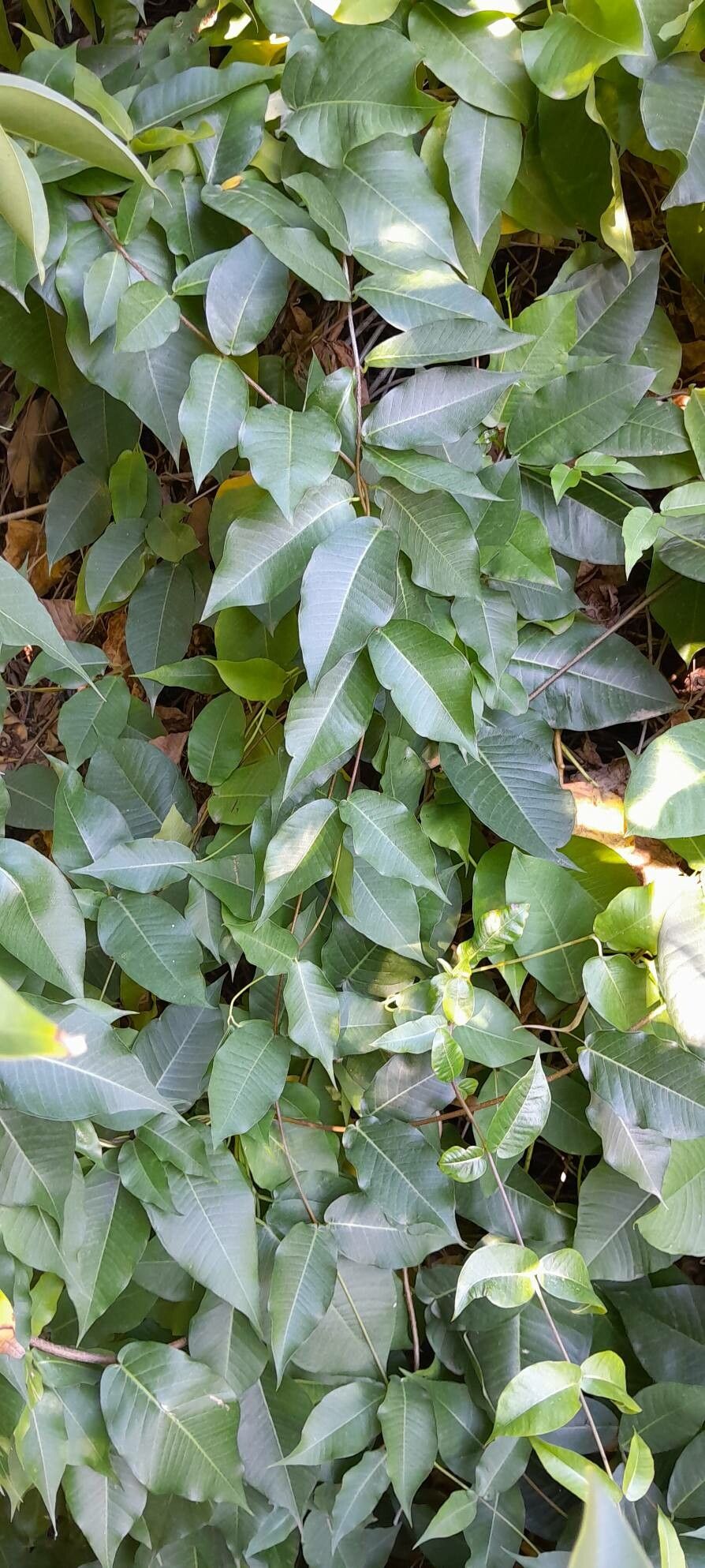
Hello, fellow garden lovers! Today, we’re diving into the wonderful world of propagating Periploca graeca, often called the silkvine or climbing silk vine. I’ve been growing this beauty for years, and there’s something truly special about coaxing a new life from a parent plant. Its sweet, subtle fragrance and graceful, twining habit make it a fantastic addition to any garden wall or trellis. And the best part? Sharing cuttings with friends or simply enjoying the satisfaction of creating more of this lovely plant yourself. For beginners, I’d say Periploca graeca is moderately easy to propagate, with a little patience and the right approach.
The Best Time to Start
My personal favorite time to take cuttings is in the late spring or early summer, right as the new growth is starting to firm up but before it gets too woody. This is when the plant is actively growing and has plenty of energy to develop roots. You can also have success with late summer or early fall cuttings, but they might take a bit longer to establish before winter.
Supplies You’ll Need
Here’s what I always have on hand when I’m ready to make some new silk vines:
- Sharp, clean pruning shears or a craft knife: For making clean cuts. Sterilize them with rubbing alcohol!
- Rooting hormone powder or gel: This can give your cuttings a significant boost. I find it makes a noticeable difference.
- Small pots or seed trays: Make sure they have drainage holes.
- A good quality potting mix: A mix that drains well is key. I often use a blend of peat moss, perlite, and a little bit of compost. You can also buy specialized rooting mixes.
- A clear plastic bag or a propagation dome: To create a humid environment for your cuttings.
- Water: For moistening the soil and for water propagation.
- Optional: A heating mat: Bottom warmth can really speed up root development.
Propagation Methods
I find that taking stem cuttings is the most reliable way to get new Periploca graeca plants. Here’s how I do it:
- Select a healthy stem: Look for a stem that’s about pencil-thick and has plenty of healthy, green leaves. Avoid anything too soft or overly woody.
- Make the cut: Using your sterilized pruning shears, take a cutting that’s about 4-6 inches long. Make the cut just below a leaf node (where a leaf attaches to the stem).
- Prepare the cutting: Gently remove the lower leaves from the cutting, leaving just a few leaves at the top. This prevents them from rotting in the soil.
- Apply rooting hormone: Dip the cut end into your rooting hormone powder or gel, tapping off any excess.
- Plant your cutting: Make a hole in your potting mix with a pencil or your finger and carefully insert the cutting. Gently firm the soil around it.
- Water and cover: Water the soil thoroughly until it’s evenly moist but not soggy. Then, cover the pot with a clear plastic bag or place it under a propagation dome to keep humidity high.
Another simple method is water propagation:
- Take your cutting as described above.
- Place the cutting in a jar or glass of water, ensuring that no leaves are submerged.
- Place the jar in a bright spot, but out of direct sunlight.
- Change the water every few days to keep it fresh.
- Wait for roots to appear, which can take several weeks. Once you have a good inch or so of roots, you can pot it up into soil, just like a regular seedling.
The “Secret Sauce” (Pro Tips)
- Don’t overcrowd your cuttings: Give them a little breathing room in the pot. This helps prevent fungal diseases. I usually only put 2-3 cuttings per small pot.
- The magic of bottom heat: If you have a heating mat, place your pots on it. This gentle warmth from below encourages root formation much faster than ambient temperatures alone. It’s a game-changer!
- Mist regularly if not using a dome: If you’re not covering your cuttings, mist them with water daily to maintain that crucial humidity.
Aftercare & Troubleshooting
Once you start to see new leaf growth, that’s a fantastic sign that your cutting has rooted! You can gently tug on it to feel for resistance—that’s the roots holding on. At this point, you can gradually acclimate your new plant to normal conditions by slowly opening the plastic bag or removing the dome over a few days.
The most common issue you might encounter is rot. If your cutting looks mushy, black, or starts to collapse, it’s likely rotted. This is usually due to too much moisture and poor air circulation. If this happens, discard the rotting cutting and try again, focusing on lighter soil and better drainage. Sometimes, just one or two cuttings in a pot might rot; don’t be discouraged if others pull through!
A Encouraging Closing
Propagating plants is all about observation and learning. Be patient with your Periploca graeca cuttings. Some will take off quickly, while others will linger a bit. Enjoy the process of nurturing these little green shoots, and soon you’ll have a whole new collection of these delightful silk vines to admire and share! Happy gardening!
Resource:
https://identify.plantnet.org/k-world-flora/species/Periploca%20graeca%20L./data