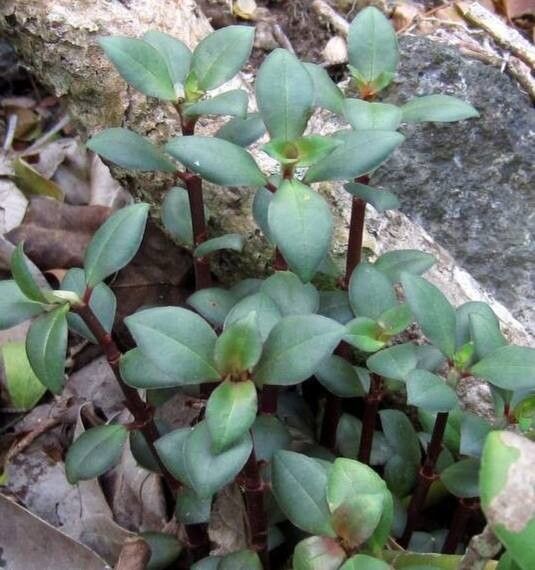
Hello fellow plant lovers! Today, we’re diving into the wonderful world of Peperomia hirta. If you’ve ever admired those fuzzy, almost velvety leaves in someone’s collection, you know why this plant is so special. It has this charming, understated elegance that really brings a unique texture to any indoor jungle. And the best part? You can easily multiply this beauty yourself! Propagating Peperomia hirta is a truly rewarding experience, and I’m thrilled to guide you through it. For beginners, I’d say this plant is moderately easy to propagate, which makes it a fantastic stepping stone into the world of houseplant propagation.
The Best Time to Start
When it comes to getting the most bang for your buck with propagation, spring and early summer are your golden ticket. That’s when your Peperomia hirta is actively growing and has the energy reserves to put into developing new roots. Starting during this active growth period significantly increases your chances of success. You can certainly try at other times, but you might find your cuttings are a bit slower to root.
Supplies You’ll Need
Let’s gather our little toolkit before we get started. You don’t need anything super fancy!
- Sharp pruning shears or clean scissors: For making clean cuts to avoid damage.
- Peat-based potting mix or succulent/cactus mix: Something that drains well is key.
- Small pots or propagation trays: Clean ones are a must!
- Rooting hormone (optional, but helpful): Especially if you’re a bit nervous.
- A spray bottle: For keeping things gently moist.
- A clear plastic bag or a small propagator (optional): To create a humid environment.
- Soft paintbrush or toothpick: For handling small cuttings.
Propagation Methods
Peperomia hirta is quite forgiving, and it generously offers a couple of straightforward ways to create new plants.
1. Stem Cuttings: My Go-To Method
This is usually the quickest and most reliable way to go.
- Find a healthy stem on your mature plant. Look for one that has at least two to three sets of leaves.
- Using your clean shears, make a cut just below a leaf node. A leaf node is that little bump where a leaf emerges from the stem. This is where the magic happens, as roots love to form from these points.
- You can take cuttings of varying lengths, but about 3-4 inches long is a good average.
- If your cutting has a lot of leaves, you can gently remove the bottom one or two. This will expose the node and prevent those lower leaves from rotting if they’re buried in the soil.
- If you’re using rooting hormone, dip the cut end of your stem into the powder. A light dusting is all you need.
- Now, fill your small pot with your well-draining potting mix. Make a small hole with your finger or a pencil.
- Gently insert the cut end of your Peperomia hirta cutting into the hole, making sure at least one leaf node is below the soil surface.
- Lightly water the soil until it’s evenly moist but not soggy.
- To create a mini-greenhouse effect, you can cover the pot with a clear plastic bag, making sure the leaves don’t touch the sides too much. Alternatively, place it in a propagator. This helps retain humidity, which cuttings love.
- Place your pot in a spot with bright, indirect light. Avoid direct sun, which can scorch your new baby plant.
2. Leaf Cuttings (Slightly More Patience Required!)
Peperomia hirta can also be propagated from individual leaves, though it tends to be a bit slower.
- Select a healthy, mature leaf from your plant.
- Using your clean shears, cut the leaf off the stem, making sure to include a small piece of the stem or petiole (the stalk that attaches the leaf to the stem). This little bit of stem is crucial for root development.
- You can insert the entire leaf stem directly into your potting mix, just like you would a stem cutting. It works!
- Alternatively, some gardeners have success with just the leaf blade, allowing it to callus over for a day before placing it loosely on top of moist soil. However, including a bit of stem usually gives you a better chance of producing a new plantlet.
- Water lightly and cover as you would with stem cuttings.
The “Secret Sauce” (Pro Tips)
Here are a few little tricks I’ve learned over the years that can give you an extra edge:
- Don’t let those lower leaves touch the water (if water propagating) or the soil surface. If you were to try water propagation (which can work for some Peperomias, but I find soil is more reliable for hirta), you’d want to make sure the leaves aren’t submerged. In soil, it’s about preventing rot. Just trim them off if they’re too low.
- Bottom heat is a game-changer. If you have a seedling heat mat, placing your pots on it can really speed up root formation. It mimics the warmth of spring soil, giving those roots the encouragement they need to grow. Just make sure the soil doesn’t dry out too quickly when it’s on the heat mat.
- Be gentle when checking for roots. Instead of pulling on the cutting (which can dislodge it before it’s ready), give it a very gentle tug. If you feel firm resistance, you’ve likely got roots! You can also look for tiny new leaves starting to emerge, which is a good sign.
Aftercare & Troubleshooting
Once you start seeing tiny leaves or feel that firm resistance when gently pulling, you’re on your way!
- Gradually introduce your new plant to more light as it grows stronger. Don’t make sudden changes.
- Continue to water when the top inch of soil feels dry. Overwatering is the most common pitfall for new propagations.
- You can remove the plastic bag or open the propagator for a few hours each day to start acclimating your new plant to normal humidity levels. Eventually, you can remove it entirely.
- Signs of failure usually involve mushy, black stems or leaves that completely wilt and turn yellow or brown. This is almost always a sign of overwatering and rot. If you see this, sadly, it’s usually best to discard the cutting and start fresh, paying closer attention to watering and soil drainage. Sometimes, a cutting might just refuse to root; that’s okay too! It’s part of the learning process.
A Little Patience Goes a Long Way
So there you have it! Propagating Peperomia hirta is a wonderfully accessible way to expand your plant family. Don’t be discouraged if your first attempt doesn’t yield immediate results. Gardening is all about patience and observation. Enjoy the journey, celebrate every tiny root you discover, and get ready to share your beautiful fuzzy babies with friends! Happy propagating!
Resource:
https://identify.plantnet.org/k-world-flora/species/Peperomia%20hirta%20C.DC./data