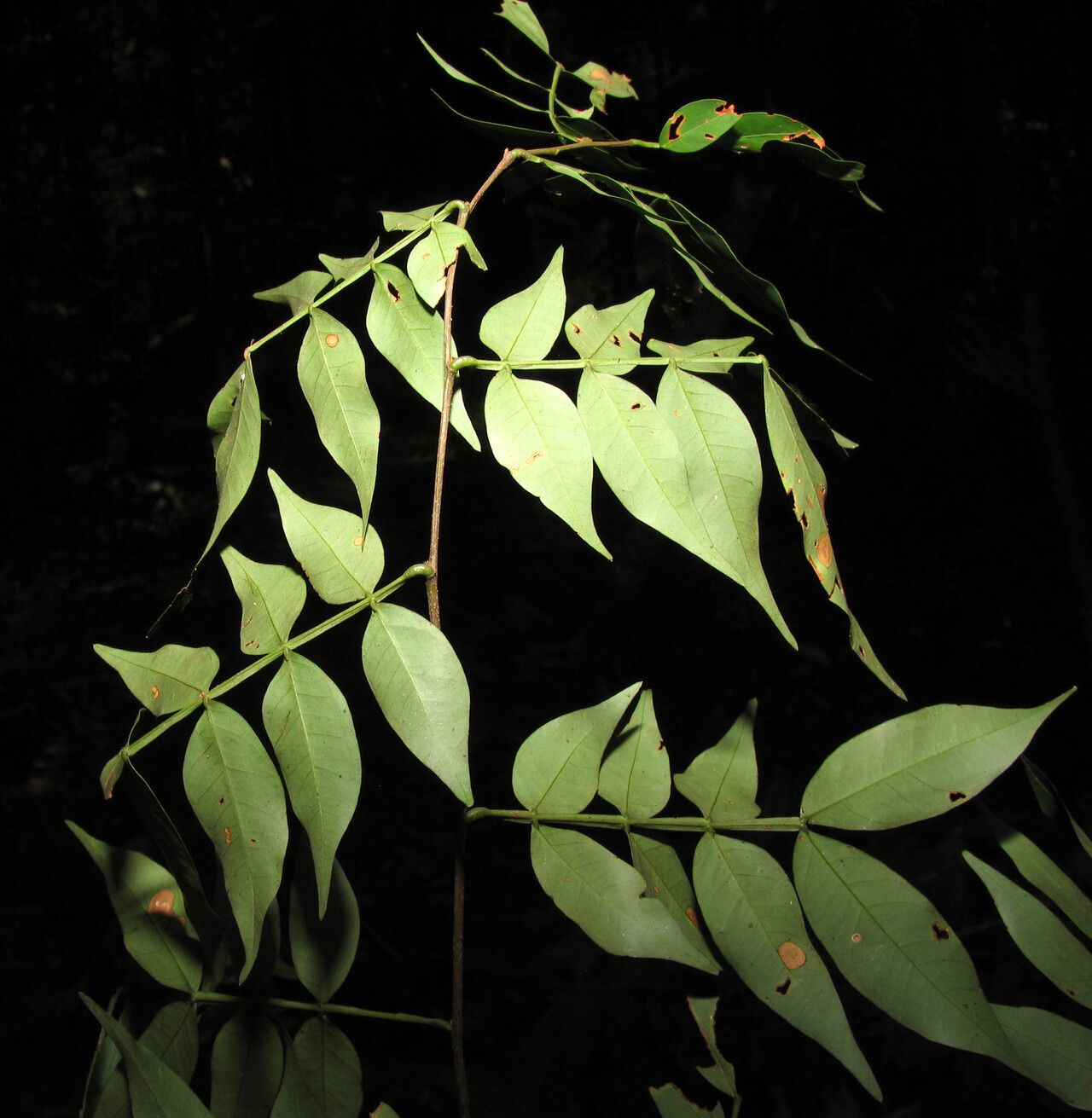
Oh, hello there! Come on in, grab a cup of whatever makes you happy. Today, we’re going to talk about a plant that has truly stolen my heart: Inga lateriflora. If you haven’t met it, imagine a lush, tropical beauty with delicate, feathery leaves and charming, almost otherworldly blooms. It brings such a wonderful, exotic feel to any space, and honestly, coaxing new life from an existing plant is one of the most rewarding things a gardener can do. For those of you just starting out, don’t be intimidated! While it has its quirks, propagating Inga lateriflora is absolutely achievable with a little know-how.
The Best Time to Start
Timing is everything, isn’t it? For Inga lateriflora, I’ve found the absolute sweetest spot is late spring to early summer. This is when the plant is truly in its growth spurt. New growth is vigorous, and cuttings taken during this period often root with much more enthusiasm. Aim for stems that are actively growing but not too soft and new. A bit of firmness, a “semi-hardwood” stage, is usually perfect.
Supplies You’ll Need
Before we dive in, let’s gather our tools. It’s like a little garden surgery, and you want to be prepared!
- Sharp Pruning Shears or a Clean Knife: For making clean cuts. Wounding the plant unnecessarily is a no-no!
- Potting Mix: A well-draining mix is key. I like to use a blend of perlite and peat moss (or coco coir), about a 50/50 ratio. Some people add a little bit of orchid bark too, for extra aeration.
- Small Pots or Trays: Clean containers are essential to prevent disease. 4-inch pots are usually a good size for stem cuttings.
- Rooting Hormone (Optional but Recommended): A powdered hormone can really give your cuttings a boost.
- Plastic Bag or Clear Dome: To create a humid environment around the cuttings.
- Labels: Don’t forget to label your creations!
Propagation Methods
There are a couple of ways to go about this, but my favorite for Inga lateriflora has to be stem cuttings. It’s direct, effective, and gives you a good chance at success.
Stem Cuttings:
- Select a healthy stem: Look for a stem that’s about pencil-thick and has at least two sets of leaves.
- Make the cut: Using your clean shears or knife, cut the stem about 4-6 inches long, just below a leaf node. A leaf node is where a leaf attaches to the stem; this is where the magic of root formation often happens.
- Prepare the cutting: Gently remove the lower leaves. You want to expose the leaf nodes, as this is where roots will emerge. Leave just one or two leaves at the top to help with photosynthesis. If the remaining leaves are very large, you can even cut them in half to reduce water loss.
- Apply rooting hormone: If you’re using it, gently dip the cut end into the rooting hormone, tapping off any excess.
- Plant the cutting: Fill your pot with your well-draining potting mix and moisten it thoroughly. Make a small hole with your finger or a pencil and insert the cutting. Gently firm the soil around the stem to ensure good contact.
- Create humidity: Water the pot lightly. Then, cover the pot with a clear plastic bag or a propagator lid. Prop this up so it doesn’t touch the leaves. If you’re using a plastic bag, you can use stakes to keep it away from the leaves.
Water Propagation (For the Impatient!)
While I prefer soil for Inga lateriflora, you can try water propagation. Sometimes it works!
- Follow steps 1-3 for stem cuttings.
- Place the cuttings in a clean jar or vase filled with clean water.
- Ensure no leaves are submerged in the water. This is crucial to prevent rot.
- Place the jar in bright, indirect light.
- Change the water every few days to keep it fresh.
You’ll know it’s time to transplant to soil when you see sturdy roots developing, usually about an inch long.
The “Secret Sauce” (Pro Tips)
These are the little things that make a big difference, from my years of trial and error!
- Bottom Heat is Your Friend: If you have the space and the budget, a heat mat placed under your propagation trays can significantly speed up rooting. It mimics the warmth of tropical soil and encourages root development like nothing else.
- The “Air Layering” Trick: For larger, established plants, you can try air layering. This involves making a small cut on a healthy stem, applying rooting hormone, wrapping the area with damp sphagnum moss, and then covering it all with plastic wrap. Roots will form within the moss, and once they’re substantial, you can cut the stem below the new roots and plant it. It’s like giving the plant a head start!
- Don’t Overwater, Ever! This is probably the most common mistake. Soggy soil is a breeding ground for rot. Your cuttings need moisture to survive, but they also need air. Let the top inch of soil dry out slightly between waterings.
Aftercare & Troubleshooting
Once you start to see those precious little roots emerging (you might even see new leaf growth!), it’s time to give your new plant a bit more attention.
- The Tug Test: Gently tug on your cutting. If you feel resistance, you have roots! Hooray!
- Gradual Acclimation: If you used a plastic bag or dome, slowly start to open it up over a few days. This helps your new plant adjust to lower humidity.
- Move to a Pot: Once you have a good root system, carefully transplant your cutting into its own small pot with your regular potting mix.
- Troubleshooting: The most common culprit for failure is rot. If your cutting turns black and mushy, it’s a sign of too much moisture and not enough air. Discard it and try again, being more mindful of watering. If your cutting just seems to be wilting and not showing any signs of life, it might not have rooted, or it could be too dry. Check the moisture level and the roots.
Keep Growing!
There you have it! Propagating Inga lateriflora is a journey, and like all good journeys, it requires a bit of patience. Don’t get discouraged if your first attempt isn’t a roaring success. Every gardener has their stories of failures, and each one teaches us something new. Just keep experimenting, observe your plants, and most importantly, enjoy the process of bringing more beauty into your world. Happy propagating!
Resource:
https://identify.plantnet.org/k-world-flora/species/Inga%20lateriflora%20Miq./data