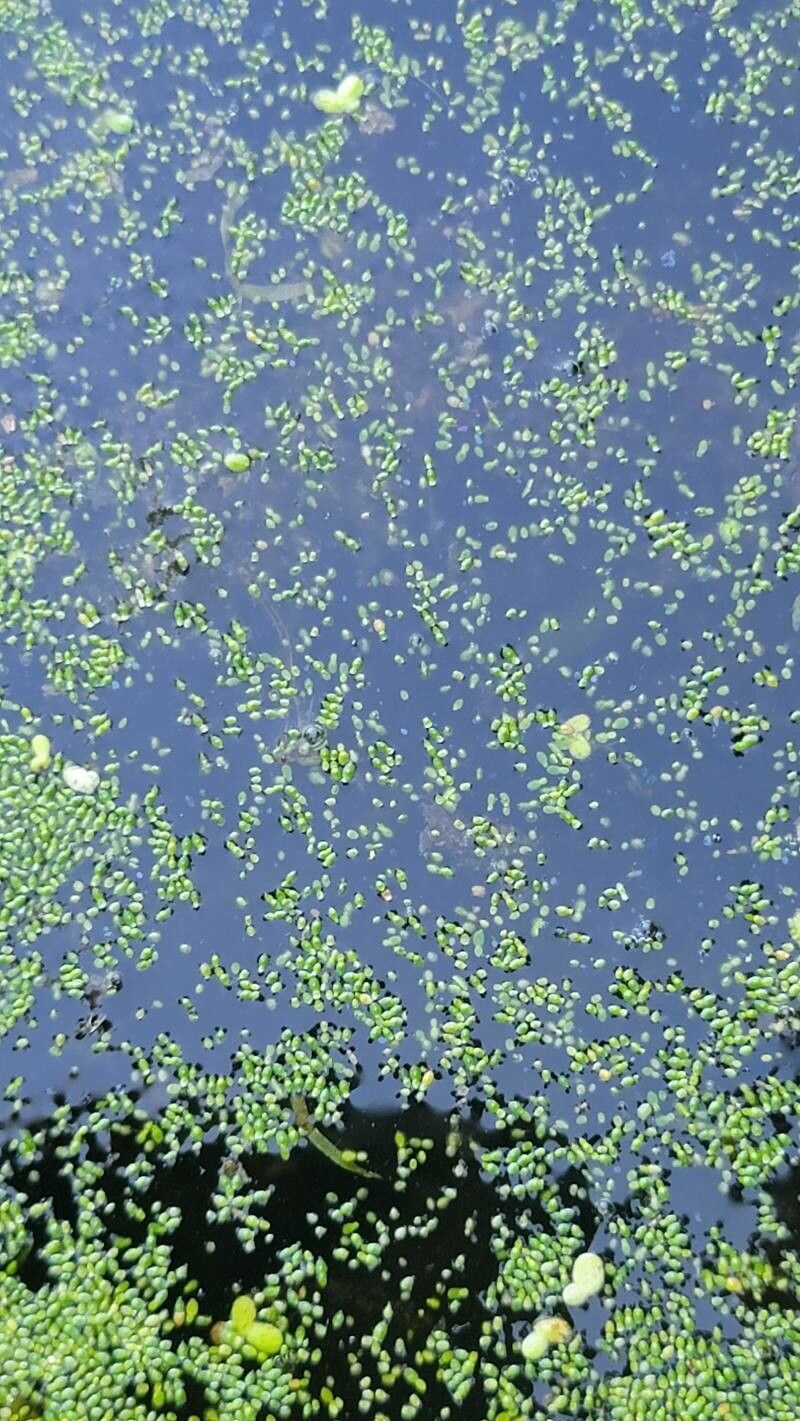
Hello there, fellow garden enthusiasts! I’m so excited to chat with you today about a truly fascinating plant: Wolffia arrhiza, or the watermeal. If you’ve ever marveled at tiny, floating green specks in an aquarium or a still pond, you might have already met this miniature marvel. Propagating Wolffia is a wonderfully rewarding experience, offering a glimpse into the rapid life cycles of some of the world’s smallest flowering plants. For beginners, I’d say it’s moderately easy, but with a little patience and the right approach, you’ll be amazed at how quickly you can grow a colony.
The Best Time to Start
Generally, the most successful time to propagate Wolffia is during its active growing season, which is typically from late spring through to early autumn. This is when the water is warmer, and the plant has plenty of light and energy to put into producing new plantlets. You’ll find things move much faster under these conditions.
Supplies You’ll Need
Don’t worry, we won’t need anything too fancy for this.
- A clean container (a shallow plastic tub, a large jar, or even a repurposed food container works well)
- Non-chlorinated water (rainwater, distilled water, or tap water that has sat out for 24 hours to allow chlorine to dissipate)
- A small, fine-mesh net or sieve
- A magnifying glass (optional, but helpful for observing your tiny charges!)
- A source of healthy Wolffia plantlets
Propagation Methods
For Wolffia, the most straightforward and effective method is essentially simple division and natural multiplication. They don’t require cuttings in the traditional sense.
- Gather Your Source Material: Gently scoop some healthy Wolffia plantlets from your existing source. Look for vibrant green ones.
- Prepare Your New Home: Fill your clean container with your non-chlorinated water. You don’t need a lot – just enough to keep the plantlets floating comfortably.
- Introduce Them: Carefully place the Wolffia plantlets into the water. They will naturally float on the surface.
- The Magic of Multiplication: That’s it! Wolffia reproduces by budding. New plantlets will form directly from the existing ones. They simply multiply on their own in suitable conditions. You don’t need to do anything else but provide good conditions.
The “Secret Sauce” (Pro Tips)
After years of fiddling with these little guys, I’ve learned a few things that really make a difference.
- Avoid Water Stagnation: While Wolffia loves still water, completely stagnant water can lead to problems. A very gentle, occasional stir with your net, or even just a slight tilt of the container every few days, can help ensure good gas exchange and prevent the water from becoming too still.
- Light is Key, But Not Direct Sun: Wolffia thrives in bright, indirect light. Think of a spot on a windowsill that gets plenty of ambient light but no harsh, direct sun that could overheat the water or scorch the delicate plantlets.
- Don’t Overcrowd Early On: While they multiply quickly, try not to put a massive clump into your new container at the very beginning. Give them a little space to start budding. As they grow, they’ll fill in the space beautifully.
Aftercare & Troubleshooting
Once your Wolffia is established and you see new plantlets forming, your “aftercare” is really just about maintaining good water quality and adequate light.
- Water Replenishment: As water evaporates, gently top up the container with more non-chlorinated water.
- Occasional Water Changes: If the water starts to look cloudy or a bit “off,” it’s a good idea to do a partial water change. Gently scoop out about half the water and replace it with fresh, non-chlorinated water.
- Common Signs of Failure: The most common issue is rot, which usually shows up as murky water, a foul smell, or the plantlets turning brown and mushy. This is often a sign of water that’s too stagnant, too warm, or contaminated. Another issue can be lack of growth, which points to insufficient light or unsuitable water. Just start fresh with good water, healthy plantlets, and proper light, and you’ll likely bounce back.
Growing Wolffia is a journey of observation and patience. Don’t be discouraged if your first attempt isn’t a runaway success. Each new batch of plantlets is a small victory, a testament to nature’s incredible ability to regenerate. Enjoy the process, and marvel at these tiny wonders you’ve helped flourish! Happy gardening!
Resource: