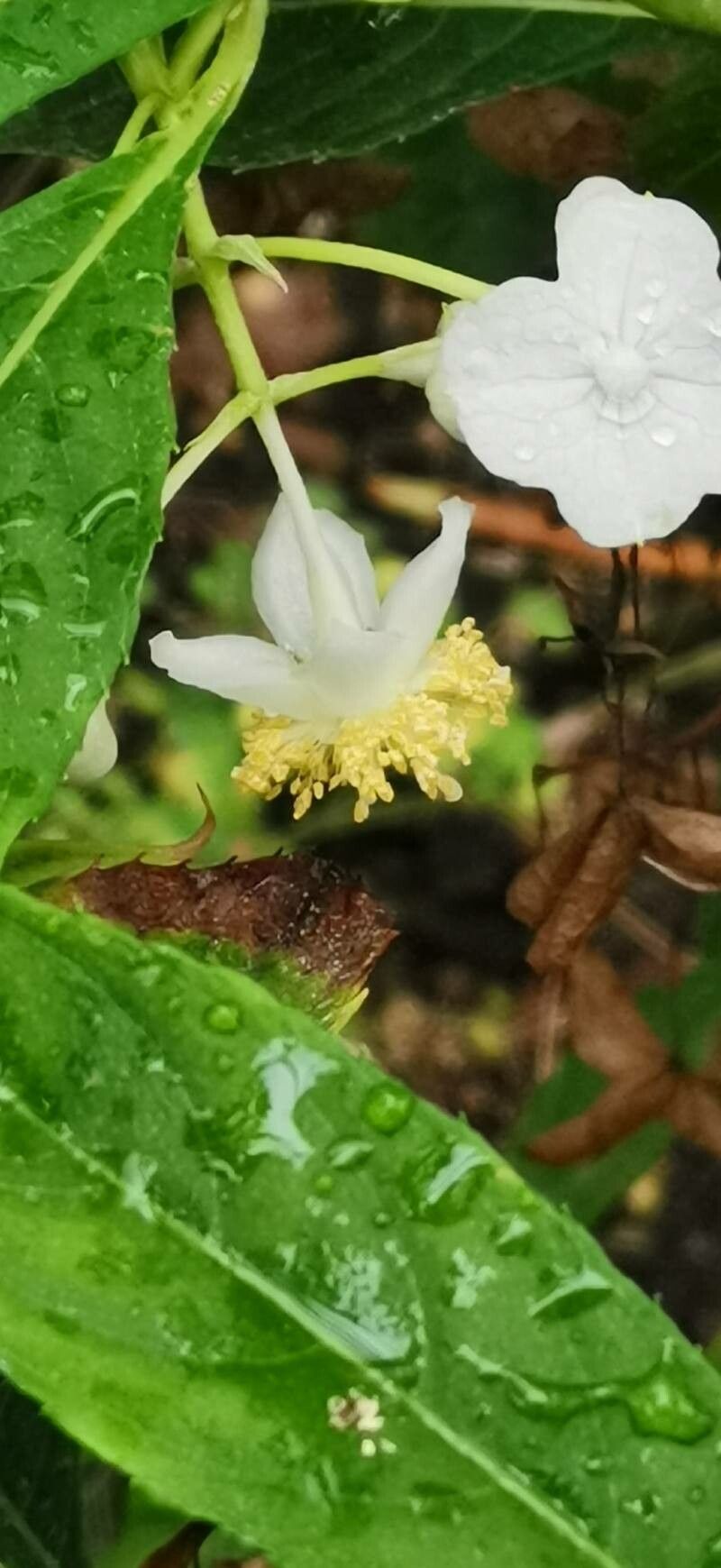
Oh, hello there! Pull up a chair and let’s chat about one of my absolute favorites: Hydrangea platyarguta. If you’ve ever admired those gorgeous, delicate white flower clusters that look like tiny snowflakes, you know exactly what I’m talking about. These beauties bring such a subtle elegance to any garden. And the best part? They’re surprisingly rewarding to multiply! If you’re new to the plant propagation game, don’t fret. While some hydrangeas can be a bit finicky, I’ve found Hydrangea platyarguta to be quite agreeable, making it a wonderful project for beginners to test their green thumbs.
The Best Time to Start
When it comes to getting the most bang for your propagation buck, I find late spring or early summer is your golden window. You’re looking for new growth that’s getting woody but isn’t fully mature. Think of it as that sweet spot where the stem is firm enough to hold its shape but still has plenty of life in it to push out roots. This usually happens after the initial flush of spring growth, still often before the plant is in full bloom.
Supplies You’ll Need
Before we get our hands dirty, let’s gather our toolkit. Having everything ready makes the whole process flow so much smoother.
- Sharp Pruning Shears or a Knife: Clean cuts are crucial for healthy rooting.
- Rooting Hormone: This isn’t always strictly necessary for H. platyarguta, but it can give your cuttings a significant boost. I prefer a powder form.
- Perlite and Peat Moss Mix: A good, airy potting mix is key. I like a 50/50 blend. You can also use perlite on its own, or even just well-draining potting soil.
- Small Pots or Containers: Clean ones are a must to prevent disease. Anything from 4-inch pots to seedling trays will do.
- Clear Plastic Bags or a Propagator: This helps maintain humidity around your cuttings, which is vital in the early stages.
- Watering Can with a Fine Rose: Gentle watering is best.
- Labels and a Marker: So you don’t forget what you’ve propagated and when!
Propagation Methods
Let’s get down to business! My go-to for Hydrangea platyarguta is almost always stem cuttings. It’s tried and true.
Stem Cuttings:
- Select Your Parent Plant: Find a healthy, vigorous Hydrangea platyarguta. You’re looking for stems that have that semi-hardwood quality we talked about.
- Take the Cuttings: Using your clean shears, snip off a section of stem that’s about 4-6 inches long. Make your cut just below a leaf node (where a leaf attaches to the stem). You’ll want to take several cuttings from different branches to increase your chances.
- Prepare the Cuttings: Gently remove the lower leaves from the cutting, leaving just the top two or three leaves. If the remaining leaves are very large, you can even snip them in half diagonally to reduce water loss.
- Apply Rooting Hormone (Optional but Recommended): Dip the cut end of the stem into your rooting hormone powder, tap off any excess.
- Plant Your Cuttings: Fill your clean pots with your perlite and peat moss mix. Make a small hole in the center with your finger or a pencil, and insert the cut end of the stem. Gently firm the soil around it to ensure good contact.
- Water Gently: Give your cuttings a light watering to settle the soil.
- Create a Humid Environment: This is where the plastic bag or propagator comes in. Either cover the pot loosely with a clear plastic bag (making sure the leaves don’t touch the plastic) or place the pots inside a propagator. If using a bag, you might need to prop it up with skewers so it doesn’t crush the leaves. Place these in a bright spot, but out of direct sunlight, which can scorch them.
The “Secret Sauce” (Pro Tips)
Now for a little insider knowledge, straight from my greenhouse!
- Don’t Let the Leaves Touch the Water: This is paramount! If the leaves of your cuttings sit in standing water, they’ll rot before they even have a chance to root. Ensure your potting mix is loose and airy, and that any excess water drains away freely.
- Bottom Heat is Your Friend: If you have a heat mat designed for seedlings, now’s the time to use it! Placing your pots on a gentle heat source can significantly speed up root development. Aim for a soil temperature around 70-75°F (21-24°C). It encourages those roots to get going.
- Mist Regularly (But Don’t Drown): While we want humidity, we also don’t want soggy conditions. A light misting of the leaves every day or two, especially if you’re not using a propagator, can keep them turgid and encourage rooting.
Aftercare & Troubleshooting
Once you start seeing signs of life, like new leaf buds forming, that’s your cue that roots are developing! Resist the urge to pull a cutting out to check for roots – you’ll likely damage them.
- Gradual Acclimation: Once roots appear, begin to gradually acclimate your cuttings to less humid conditions. If you used a plastic bag, gradually open it wider over a few days. If you used a propagator, vent it more regularly.
- Watering: Keep the soil consistently moist, but never waterlogged. Let the top half-inch of soil dry out slightly between waterings.
- Transplanting: When your cuttings have a good root system that fills the pot (you might see roots coming out the drainage holes, or they feel nice and firm when gently tugged), it’s time to transplant them into slightly larger pots with a good quality potting mix.
Troubleshooting, thankfully, isn’t too common with H. platyarguta if you follow these steps. The most common issue you might encounter is rot, indicated by a mushy, discolored stem. This is usually a sign of too much moisture and poor air circulation. If you see this, sadly, that cutting is likely lost, but it’s a great learning opportunity to adjust your watering or ventilation next time. Yellowing leaves can sometimes mean they’re not getting enough light, or the soil is too dry.
There you have it! Propagating Hydrangea platyarguta is such a rewarding journey. Don’t be discouraged if your first attempt isn’t perfect; gardening is all about learning and patience. Just keep trying, enjoy the process of coaxing new life into existence, and soon you’ll have a whole garden of these delightful blooms. Happy propagating!
Resource: