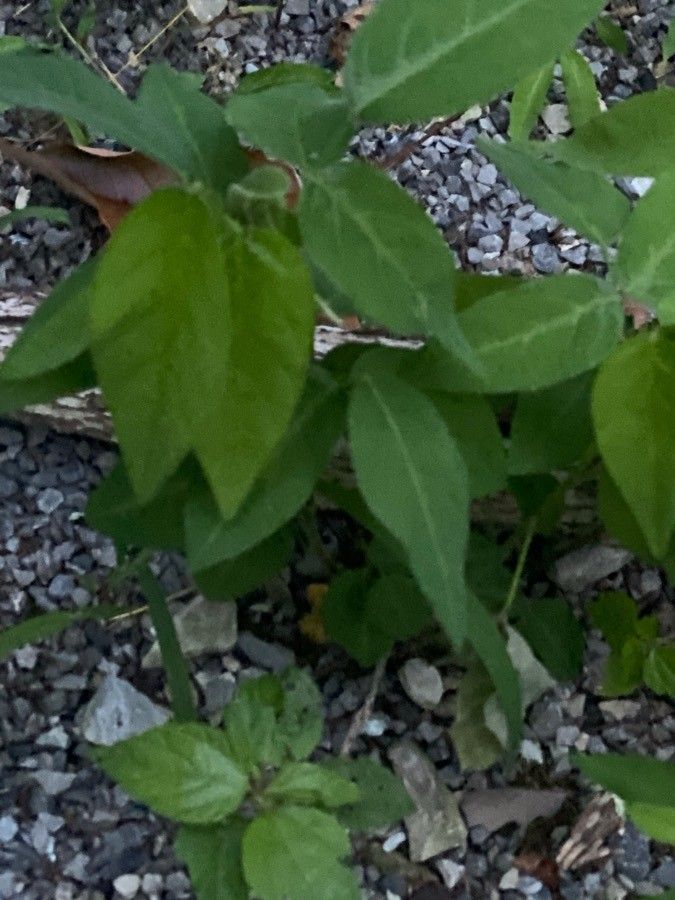
Oh, Desmodium tweedyi! You’ve got great taste. That candy-pink bloom and delicate, fern-like foliage are just charming, aren’t they? And the fact that it attracts pollinators without being fussy? A real garden gem. For me, one of the most satisfying parts of gardening is bringing a new plant to life from a tiny piece of another. It feels like a little bit of magic, and with Desmodium tweedyi, it’s a process I’m happy to share with you. Now, is it a walk in the park for absolute beginners? I’d say it’s moderately easy. It definitely rewards a little bit of attention, but it’s not something that will have you pulling your hair out.
The Best Time to Start
I find the sweet spot for propagating Desmodium tweedyi is late spring to early summer. This is when the plant is really hitting its stride, putting out fresh, vigorous growth. You want to take cuttings when the stems are semi-hardwood – that means they’re not floppy and green, but not woody and old either. They should snap with a slight resistance.
Supplies You’ll Need
- Sharp pruning shears or a clean knife: For making clean cuts.
- Potting mix: A good, well-draining mix is crucial. I like to combine equal parts peat moss, perlite, and a bit of compost.
- Small pots or containers: Clean ones, please! About 4-inch pots are usually perfect.
- Rooting hormone (optional but recommended): This really gives cuttings a helpful boost. Look for one with IBA.
- Plastic bags or a propagation dome: To create a humid environment.
- Watering can with a fine rose: For gentle watering.
- Labels: So you don’t forget what you planted!
Propagation Methods
For Desmodium tweedyi, stem cuttings are my go-to method. It’s reliable and gives you a good chance of success.
- Take Your Cuttings: In late spring or early summer, select healthy stems that are about 4-6 inches long. Using your clean shears, make a cut just below a leaf node (where a leaf attaches to the stem). This is where roots are most likely to form.
- Prepare the Cuttings: Gently remove the lower leaves, leaving only the top 2-3 pairs. If the leaves are very large, you can even cut them in half horizontally to reduce water loss through transpiration.
- Apply Rooting Hormone (Optional): Dip the cut end of the stem into your rooting hormone powder or gel, tapping off any excess.
- Pot Them Up: Fill your clean pots with your prepared potting mix. Make a small hole in the center with your finger or a pencil. Insert the cutting into the hole, making sure the leaf nodes that you removed are below the soil surface. Gently firm the soil around the stem.
- Water Gently: Water thoroughly until water drains from the bottom. You want the soil to be moist, but not waterlogged.
The “Secret Sauce” (Pro Tips)
- Mimic the Tropics: After potting your cuttings, I like to cover them with a clear plastic bag or place them under a propagation dome. This creates a miniature greenhouse, keeping the humidity high. The key here is to ensure the leaves don’t touch the condensation inside the bag, as this can encourage rot. You might need to prop up the bag with stakes.
- The Power of Warmth: This is a big one I learned over the years! Desmodium tweedyi cuttings root best with a little warmth from below. If you have a heated propagator mat, fantastic! If not, you can place your pots on top of your refrigerator or a warm south-facing windowsill. Gentle bottom heat makes a surprising difference.
- Don’t Fuss Too Much: Resist the urge to constantly pull at your cuttings to check for roots. Patience is a gardener’s best friend!
Aftercare & Troubleshooting
Once your cuttings have been potted, place them in a bright spot, but out of direct, harsh sunlight. Keep the soil consistently moist, but never soggy. You’ll know they’re rooting when you see new growth appearing at the top, or when you gently tug on a cutting and feel resistance. This usually takes about 4-6 weeks.
The most common problem you’ll encounter is rot, which happens when cuttings sit in waterlogged soil or the environment is too humid without enough air circulation. If you see a cutting turning black and mushy, it’s best to discard it to prevent it from affecting others. If your cuttings look a bit wilted, check the moisture level of the soil first. Sometimes, just a gentle watering is all they need.
A Encouraging Closing
Propagating Desmodium tweedyi is a really rewarding experience. It takes a little bit of planning and care, but the payoff of seeing those tiny plants develop roots and grow into something beautiful is just wonderful. Remember to be patient, observe your cuttings closely, and trust the process. Happy propagating!
Resource:
https://identify.plantnet.org/k-world-flora/species/Desmodium%20tweedyi%20Britton/data