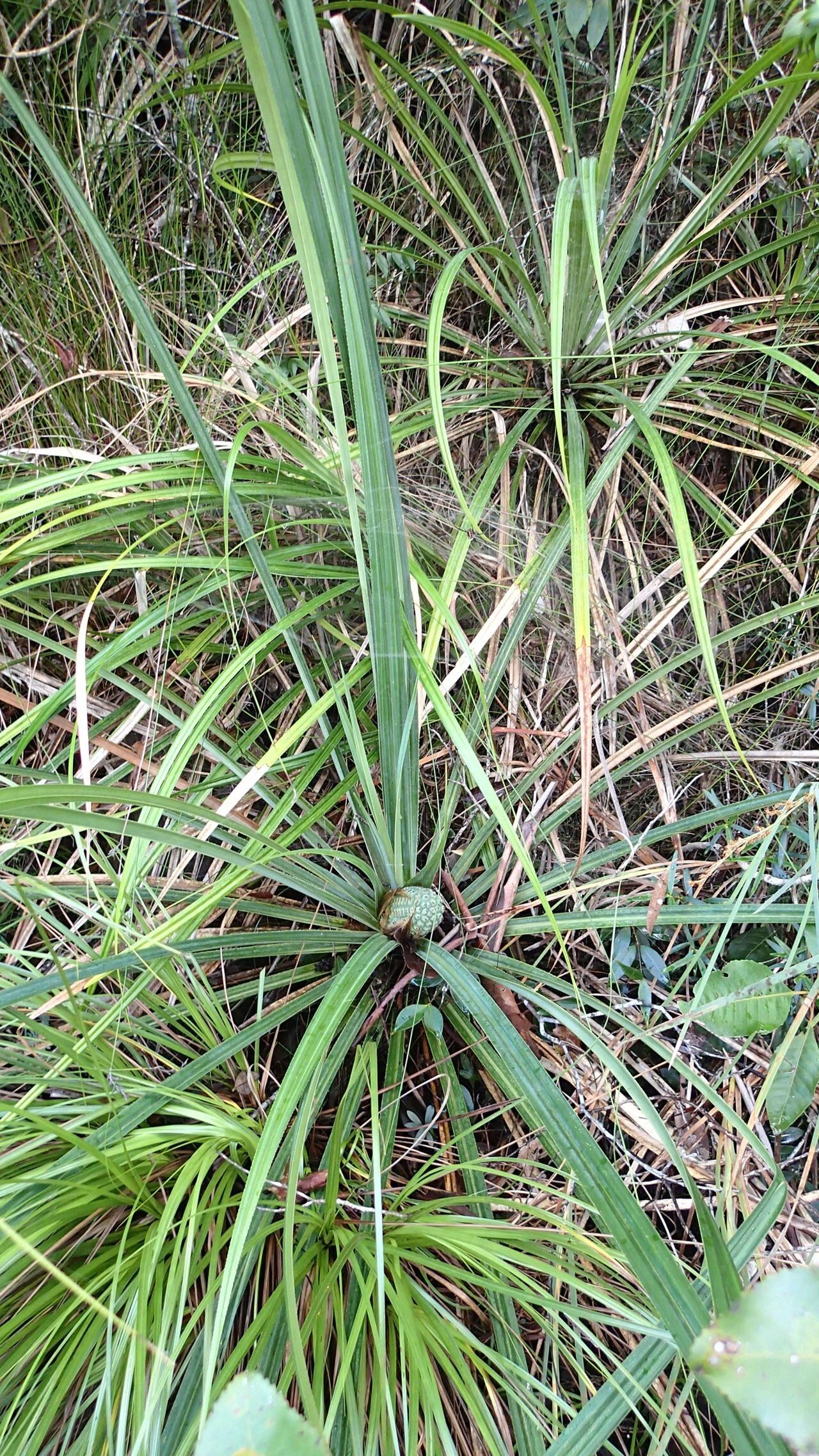
Hello, fellow plant enthusiasts! Some plants just have that certain something, don’t they? Pandanus reticulatus, with its striking, architectural foliage and graceful, arching leaves, is definitely one of them. It brings a touch of the tropics right into our homes, and if you’re anything like me, once you fall for its beauty, you’ll want more! The good news is, propagating Pandanus reticulatus is a really rewarding way to expand your collection or share the joy with a fellow gardener. I’d say this is a moderately easy plant to propagate. It’s not quite as forgiving as a pothos, but with a little attention, you’ll be seeing those new little plants pop up before you know it.
The Best Time to Start
When it comes to getting new Pandanus babies, spring and early summer are your best friends. This is when the plant is in its most active growth phase. You’ll find it’s much easier to get cuttings to root and establish themselves when the days are longer and warmer. However, you can honestly propagate them year-round if you provide the right conditions, especially if you have a heated propagator!
Supplies You’ll Need
Before we dive in, let’s gather our tools. Having everything ready will make the whole process much smoother.
- Sharp, clean pruning shears or a sharp knife: This is crucial for making clean cuts and preventing damage or disease.
- Rooting hormone (optional but recommended): A powder or gel can give your cuttings a significant boost in rooting success.
- Well-draining potting mix: I like a blend of regular potting soil with perlite or coarse sand. Think about what would hold moisture but also let excess water escape quickly.
- Small pots or containers: Whatever you have on hand that’s clean and has drainage holes will work.
- Plastic bags or a propagator: To create a humid environment for your cuttings.
- Water: For rinsing roots or for water propagation.
Propagation Methods
Pandanus reticulatus is a super plant and offers a couple of fantastic ways to get new plants. I find both are quite reliable.
1. Division (The Easiest Way!)
This is often the most straightforward method, especially if your plant has grown a bit large. Pandanus plants naturally produce little offsets, or “pups,” around the base of the mother plant.
- Carefully remove your mature Pandanus from its pot. You might need to gently loosen the soil around the edges.
- Look for the new shoots or pups growing from the base. These often have their own small root systems already.
- Using your sharp, clean knife or shears, gently sever the pup from the mother plant. Try to get as much of its own root system as possible. If a pup seems to have no roots yet, don’t worry, it will develop them!
- Pot the new pup into its own small pot filled with your well-draining mix.
- Water it in gently and place it in a bright, indirect light location. Keep the soil consistently moist but not soggy.
2. Stem Cuttings (For the Adventurous!)
This method is perfect if you want to create new plants from the main stem or if you’ve pruned your plant and have some nice healthy stems.
- Choose a healthy, mature stem that is at least 4-6 inches long. Make a clean cut just below a leaf node, which is where a leaf emerges from the stem. Removing some of the lower leaves is a good idea to expose the node where roots will form.
- If you’re using rooting hormone, dip the cut end into the powder or gel, flicking off any excess.
- Press the cut end firmly into your well-draining potting mix in a small pot. You can insert 2-3 cuttings per pot if you have space.
- Water thoroughly to settle the soil around the cuttings.
- Cover the pot with a clear plastic bag or place it inside a propagator. This is key to keeping humidity high, which cuttings absolutely love. Make sure the leaves don’t touch the plastic if possible.
- Place the pot in a warm spot with bright, indirect light. Avoid direct sun, as it can scorch the delicate cuttings.
The “Secret Sauce” (Pro Tips)
Alright, here are a couple of my personal tricks that have made a world of difference for me.
- Think “Warm Feet”: If you can, use a heating mat under your pots, especially for stem cuttings. Pandanus roots simply adore warmth. It speeds up the rooting process dramatically and gives those little root initials a much-needed kickstart.
- Air Circulation is Key: While high humidity is essential, don’t forget to briefly remove the plastic cover or open the propagator for about 15-20 minutes each day. This allows for fresh air exchange and helps prevent fungal issues that can arise from stagnant, overly moist conditions.
Aftercare & Troubleshooting
Once you see activity – new leaves unfurling or, after a few weeks, a gentle tug resistance indicating roots – you’re in business!
- Gradually Acclimate: As your new Pandanus starts to grow, slowly reduce the humidity. If it was covered, start by lifting the plastic for longer periods. Eventually, you can remove it completely.
- Watering: Continue to keep the soil consistently moist but not waterlogged. Allow the top inch of soil to dry out slightly between waterings.
- Light: Keep them in bright, indirect light. As they grow stronger, you can introduce them to slightly more light, but always watch for signs of stress.
Now, what if things go wrong? The most common issue you’ll encounter is rot. This usually stems from overwatering or lack of drainage. If a cutting turns mushy or black at the base, it’s likely caught rot. Unfortunately, it’s often too late at that point to save it. This is why using that well-draining mix and that heating mat becomes so important! Another sign of unhappiness is wilting, which could be underwatering, or if they’re getting too much direct sun. Observe your new plants closely, and you’ll quickly learn their language.
A Warm Encouragement
Growing new plants from your existing treasures is one of the most satisfying parts of this hobby. Be patient with your Pandanus cuttings. Some will root faster than others, some might take a little longer. Don’t get discouraged if a few don’t make it – that’s just part of the learning process! Enjoy the journey of nurturing these new lives and soon you’ll have a whole jungle of Pandanus reticulatus to admire. Happy propagating!
Resource:
https://identify.plantnet.org/k-world-flora/species/Pandanus%20reticulatus%20Vieill./data