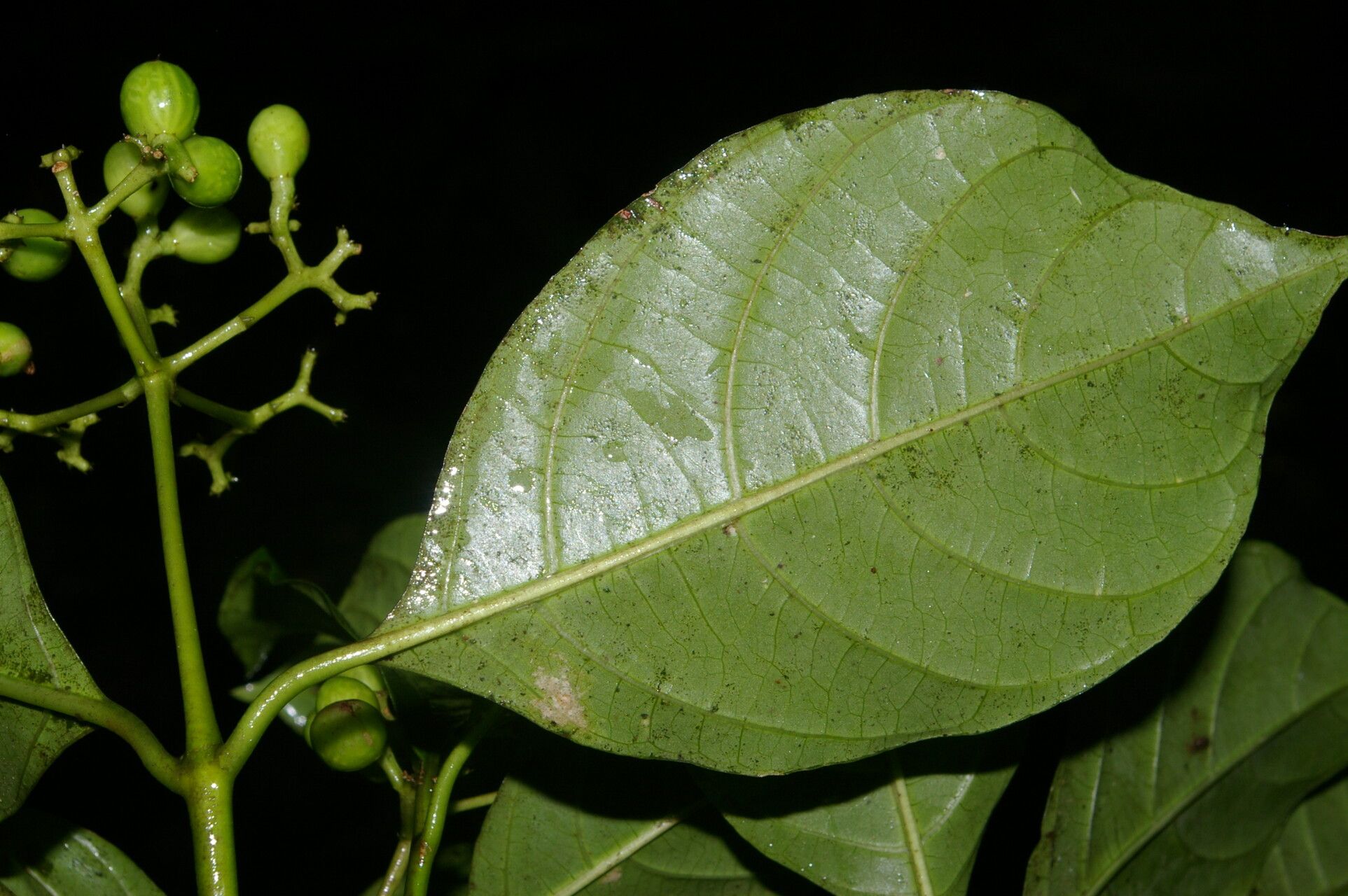
Hello, fellow plant lovers! It’s me, your garden buddy, back with another exciting propagation adventure. Today, we’re diving into the enchanting world of Palicourea eurycarpa. If you’ve ever seen this beauty, you know why I’m so smitten. Its vibrant blooms and lush foliage bring such a cheerful presence to any garden, and trust me, growing more of these beauties yourself is incredibly rewarding. Is it a beginner-friendly plant to propagate? Honestly, it can be a little finicky, but with a bit of care and this guide, you’ll be well on your way!
The Best Time to Start
For Palicourea eurycarpa, spring and early summer are your golden windows. This is when the plant is actively growing, full of energy, and most receptive to taking root. Look for stems that are mature but still flexible – not the brand-new, soft, flappy growth, but also not the old, woody stuff. You want that sweet spot in between.
Supplies You’ll Need
Before we get our hands dirty, let’s gather our tools:
- Sharp, clean pruning shears or a razor blade: For making those precise cuts. A good sterile cut is crucial.
- Rooting hormone (powder or gel): This isn’t strictly mandatory for every plant, but for Palicourea eurycarpa, it can give your cuttings a significant boost.
- Well-draining potting mix: I love a blend of orchid bark, perlite, and a good quality potting soil. Think of it as airy bedding for your new plant babies.
- Small pots or propagation trays: Clean, with drainage holes, of course!
- Plastic bags or a clear propagation dome: To create a humid environment.
- A watering can with a fine rose: For gentle watering.
- Optional: Heating mat: This can speed up root development, especially if your environment is cooler.
Propagation Methods: Stem Cuttings
This is my go-to method for Palicourea eurycarpa, and I think you’ll find it quite effective.
- Select Your Stems: Find healthy, semi-hardwood stems. Aim for cuttings about 4-6 inches long. Pinch off any flowers or developing buds – they just steal energy from root development.
- Make the Cut: Using your clean shears or blade, make a clean cut just below a leaf node (where a leaf meets the stem). This is often where the magic of root formation begins.
- Prepare the Cutting: Remove the lower leaves, leaving just a couple of sets at the top. This prevents them from rotting in the soil.
- Dip in Rooting Hormone: If you’re using rooting hormone, dip the cut end of the stem into the powder or gel. Tap off any excess.
- Plant Your Cuttings: Fill your small pots or trays with your well-draining potting mix. Make a small hole with your finger or a pencil and gently insert the cutting. Firm the soil around it, ensuring good contact.
- Water Gently: Water thoroughly but gently, just enough to moisten the soil. You don’t want soggy feet!
- Create Humidity: Cover the pot with a clear plastic bag (making sure the leaves don’t touch the plastic!) or place it under a propagation dome. This little greenhouse effect is vital.
- Find a Good Spot: Place your pots in a warm location with bright, indirect light. Avoid direct sun, which can scorch delicate cuttings.
The “Secret Sauce” (Pro Tips)
Here are a few tricks I’ve learned over the years that can really make a difference:
- Bottom Heat is Your Friend: If you have a heating mat, pop your pots on it. This gentle warmth from below mimics the soil temperature in the tropics and encourages roots to form much faster.
- Don’t Be Afraid to Mist: While the plastic bag or dome creates humidity, a light misting of the leaves every few days can also be beneficial, especially if your environment is dry. Just be sure to let the surface of the soil dry out a bit between mistings.
- Patience with the Potting Mix: When you plant your cuttings, give the potting mix a good soak initially, then let it drain thoroughly. The goal is consistently moist, not wet. A soil that stays waterlogged is a recipe for rot.
Aftercare & Troubleshooting
Once your cuttings have begun to show signs of life – new leaf growth is the best indicator – it’s time to gradually acclimate them to a less humid environment. Start by opening the plastic bag or dome for a few hours each day, slowly increasing the time until they’re used to open air.
Common issues to watch for:
- Wilting: This can be a sign of dehydration, but also of rot if the soil is too wet. Check the soil moisture. If it’s soggy, ease up on watering.
- Yellowing Leaves: Sometimes this happens as the cutting uses up its stored energy. If new growth is appearing healthy, it’s usually not a major concern.
- Rotting Stems: This is the big one. If the stem turns black and mushy, it’s likely rot. This is usually due to overwatering and poor drainage. Unfortunately, a rotten cutting can’t be saved. Start again with fresh cuttings and pay close attention to watering.
A Little Encouragement
Propagating plants is a journey, and sometimes it takes a few tries to get it just right. Don’t get discouraged if your first attempt doesn’t yield a forest of new plants. Each cutting, each experience, teaches you something new. Celebrate the successes, learn from the setbacks, and most importantly, enjoy the process of bringing more green into your life. Happy propagating!
Resource: