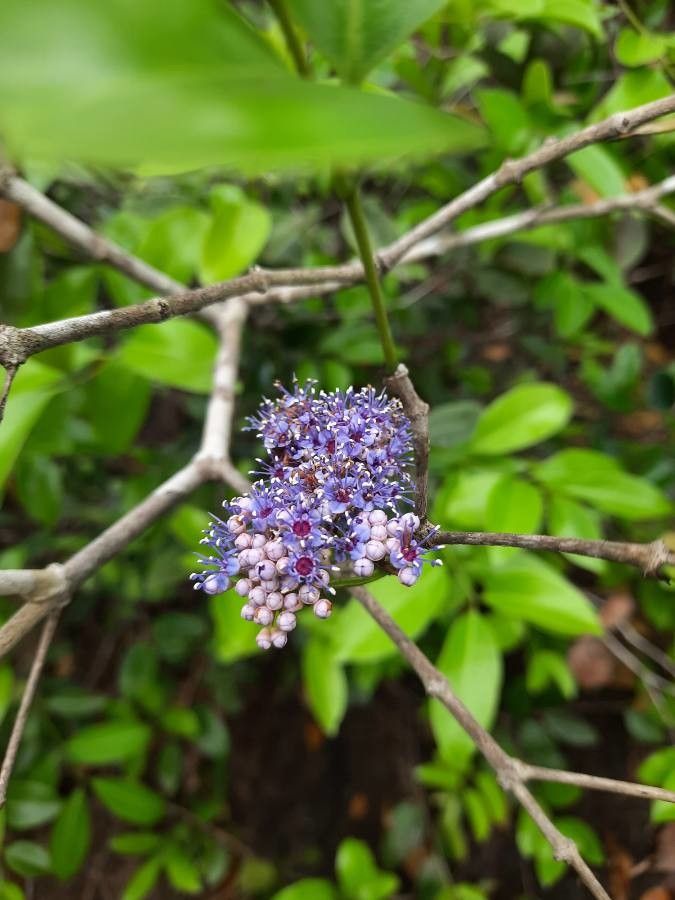
Hello fellow plant enthusiasts! Today, we’re diving into the wonderful world of Embelia ribes, also known as Vidanga. You might be drawn to its lovely, glossy leaves and its potential for a bit of wilderness in your garden. Propagating Embelia ribes is a truly satisfying experience, watching a tiny piece of your beloved plant grow into something new. It’s a journey that’s moderately challenging, so while it might not be the absolute easiest for a complete beginner, with a little patience and the right approach, you’ll be successful!
When is the Best Time to Start?
My favorite time to propagate Embelia ribes is during the late spring or early summer. This is when the plant is actively growing, and its stems are tender yet firm enough to take cuttings. You’ll get the best results when you can tap into that vigorous growth surge. Waiting until after the plant has finished its main flush of springtime growth is usually a good bet.
What You’ll Need
Gathering your supplies beforehand makes the process so much smoother. Here’s what I always have on hand:
- Sharp Pruning Shears or a Knife: Clean cuts are crucial for healthy rooting.
- Rooting Hormone (Optional but Recommended): This helps significantly in encouraging root development. I prefer a powder form.
- Well-Draining Potting Mix: A blend of perlite, peat moss, and vermiculite works wonders. You can also use a commercial seedling or cutting mix.
- Small Pots or Seedling Trays: Clean containers are a must to prevent disease.
- Plastic Bags or a Propagation Dome: To maintain humidity.
- Watering Can or Spray Bottle: For gentle watering.
- A Sunny, Warm Location: But out of direct, harsh sunlight.
Letting New Life Bloom: Propagation Methods
Embelia ribes is quite amenable to stem cuttings. It’s usually the most straightforward and highly rewarding method for this plant.
- Select Your Cuttings: Look for healthy, non-flowering stems on your mature Embelia ribes plant. Aim for stems that are about 4-6 inches long. Gently bend a stem; if it snaps cleanly, it’s a good candidate. If it bends without snapping, it’s likely too soft.
- Make the Cut: Using your sterilized pruning shears or knife, make a clean cut just below a leaf node. A leaf node is where a leaf attaches to the stem, and it’s where roots are most likely to develop.
- Prepare the Cuttings: Carefully remove the lower leaves from the cutting, leaving only the top 2-3 leaves. This prevents leaves from rotting in the soil or water. If the remaining leaves are very large, I often trim them in half to reduce water loss through transpiration.
- Apply Rooting Hormone: Dip the cut end of the stem into your rooting hormone, tapping off any excess. This step is often the key to faster and stronger root formation.
- Planting the Cuttings: Fill your small pots or trays with your prepared, moistened potting mix. Make a hole in the center with your finger or a pencil. Insert the cut end of the Embelia ribes cutting into the hole. Gently firm the soil around the stem to ensure good contact.
- Create a Humid Environment: Once all your cuttings are planted, water them gently. Then, cover the pots with a clear plastic bag (making sure the leaves don’t touch the sides) or place them under a propagation dome. This will create a mini-greenhouse effect, keeping the humidity levels high, which is vital for cuttings to root.
The “Secret Sauce”: Insider Tips for Success
Having gardened for a while, I’ve picked up a few tricks that make a world of difference.
- Bottom Heat is Your Friend: If you can, place your pots on a heat mat. Embelia ribes loves warmth, and bottom heat encourages root development much faster than ambient room temperature alone. You don’t need it blazing hot, just consistently warm.
- Don’t Overwater, but Keep it Moist: This is a delicate balance. The soil should feel consistently moist like a wrung-out sponge, but never soggy. Soggy soil is a one-way ticket to rot. Check the moisture by gently pressing your finger into the soil; if it feels dry, it’s time for a light watering.
- Air Exchange is Key: While humidity is important, stagnant air can lead to fungal issues. I like to lift the plastic bag or open the dome for about 15-30 minutes each day to allow for some air circulation.
Aftercare and What to Watch For
Once your Embelia ribes cuttings start to show signs of rooting – usually tiny leaves beginning to unfurl or a gentle tug on the stem meeting resistance – you can gradually reduce the humidity. Start by removing the plastic bag or opening the dome for longer periods.
Keep the new plants in a bright, indirect light location. Continue to water them as needed, ensuring the soil stays moist but not waterlogged. When the roots have filled the pot, you’ll see them emerging from the drainage holes. At this point, it’s time to transplant them into slightly larger pots.
Troubleshooting: The most common issue you might encounter is rot. If your cuttings turn black and mushy, it’s usually due to overwatering and poor air circulation. If you see this, sadly, those cuttings are likely lost. Don’t be discouraged; it happens to all gardeners! Another sign of lack of rooting is if the stems become limp and papery – they might have dried out too much.
Keep Growing!
Propagating Embelia ribes is a beautiful way to connect with your plants on a deeper level. Be patient, and celebrate every little success. Enjoy the process of nurturing these new beginnings; it’s truly one of the most rewarding aspects of gardening. Happy propagating!
Resource:
https://identify.plantnet.org/k-world-flora/species/Embelia%20ribes%20Burm.f./data