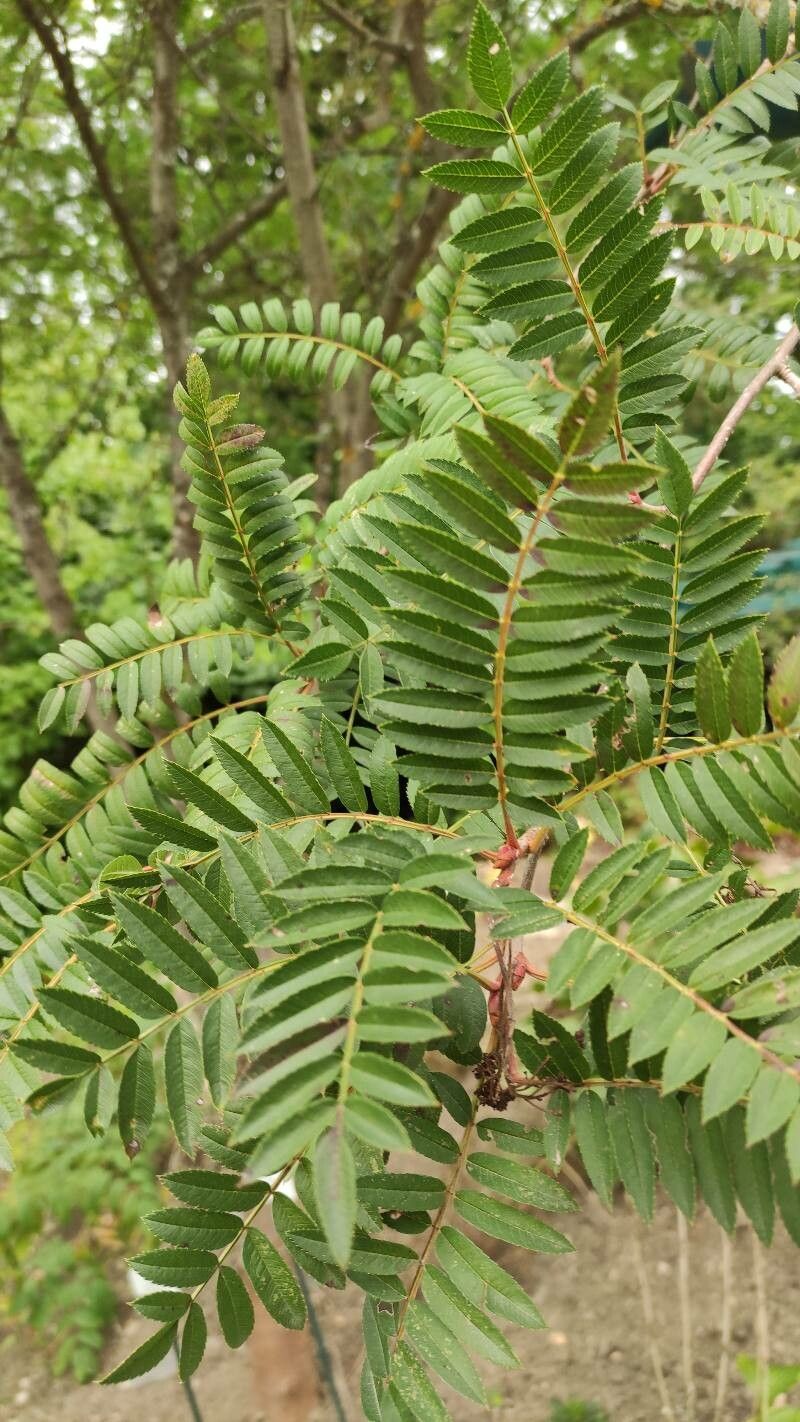
Oh, hello there! Come on in, grab a mug. It’s so good to see you. You’ve got a hankering for Sorbus rosea, I hear? Excellent choice! This little beauty, with its delicate pink blossoms and later, its fetching berries, is just a delight in any garden. And the joy of nursing a new plant from a tiny cutting or a division? Well, that’s pure garden magic, if you ask me.
Some folks might tell you propagation is tricky, but honestly, with a bit of know-how and a sprinkle of patience, Sorbus rosea is a wonderfully rewarding plant to multiply. It’s not one of those finicky divas; it’s more of a willing collaborator. Let’s get our hands dirty, shall we?
The Best Time to Start
Timing is everything in our gardens, isn’t it? For Sorbus rosea, I find the sweet spot for propagation is in late spring or early summer. This is when the plant is actively growing, pushing out those vibrant new shoots. You want to take pieces that are flexible but not too soft – think slightly woody stems. Waiting until after the initial flush of flowering is usually a good idea.
Supplies You’ll Need
Don’t be intimidated by a list of tools. Most of these you’ll likely have on hand or can easily find.
- Sharp Pruning Shears or a Craft Knife: Clean cuts are crucial to prevent disease.
- Rooting Hormone (Optional but Recommended): This helps speed things up and encourages robust root development.
- Potting Mix: A well-draining mix is key. I like to use a blend of equal parts peat moss or coco coir and perlite or coarse sand. You can also buy specialized propagation mixes.
- Small Pots or Trays: Clean containers are a must. Small cell trays or 4-inch pots work perfectly.
- Watering Can with a Fine Rose or Spray Bottle: Gentle watering is important.
- Plastic Bags or a Propagator: To maintain humidity around your cuttings.
Propagation Methods
Let’s dive into how we can create new Sorbus rosea plants.
Stem Cuttings
This is my go-to method for this plant.
- Take Your Cuttings: Using your sharp pruning shears, cut 4-6 inch sections from healthy, non-flowering stems from your established Sorbus rosea. Make the cut just below a leaf node (where a leaf attaches to the stem).
- Prepare the Cuttings: Gently remove the lower leaves, leaving just one or two at the top. This prevents them from rotting when buried.
- Apply Rooting Hormone: Dip the cut end of each stem into your rooting hormone powder. Tap off any excess.
- Plant the Cuttings: Make a hole in your prepared potting mix with a pencil or your finger. Insert the cutting about 1-2 inches deep, firming the soil gently around it.
- Water Gently: Water thoroughly until the mix is evenly moist.
- Create a Humid Environment: Cover the pots with a plastic bag (you can secure it with a rubber band) or place them in a propagator. Make sure the leaves don’t touch the plastic.
- Provide Light and Warmth: Place your pots in a bright spot but out of direct sunlight. It’s also helpful to provide a bit of bottom heat – a heat mat works wonders!
Water Propagation (Less Common for Woody Plants, but Worth a Try!)
While stem cuttings are preferred for Sorbus rosea, you can experiment with water propagation, especially with very new, flexible growth.
- Prepare the Cuttings: Take 1-2 inch tip cuttings, removing the lower leaves.
- Place in Water: Put the cuttings in a clean jar or glass of clean water. Ensure no leaves are submerged. You can change the water every few days.
- Provide Light: Place the jar in a bright location, out of direct sun.
- Watch for Roots: It can take a while, but you should see tiny white roots emerge. Once they are about an inch long, you can try potting them up into your well-draining soil mix. Be incredibly gentle with these new roots!
The “Secret Sauce”
Here are a couple of little tricks I’ve learned over the years that make a big difference:
- The Water Test: Before you even take cuttings, dip the tip of your cutting into water. If it floats easily and doesn’t immediately sink, it’s likely the right flexibility. If it’s stiff and snaps, it’s too old.
- Bottom Heat is Your Best Friend: For woody plants like Sorbus rosea, a gentle bottom heat significantly speeds up root formation. It mimics the warmth of spring soil and really encourages those roots to get going. A cheap seed-starting heat mat works perfectly.
- Don’t Be Too Quick to Discard: Sometimes, cuttings looking a bit sad and droopy will surprise you. Keep them going, maintain that humidity, and be patient. I’ve had “failures” perk up and root months later!
Aftercare & Troubleshooting
Once you see those little white roots peeking out from the drainage holes, or if you gently tug on a cutting and feel resistance, it’s time to transition!
- Acclimatize Gradually: If you were using a plastic bag, start by opening it for a few hours a day for a week, gradually increasing the time. This helps them adjust to lower humidity.
- Transplant Carefully: When they have a good root system, transplant them into slightly larger pots with your potting mix.
- Water Consistently but Don’t Drown: Keep the soil consistently moist but not soggy. It’s better to underwater slightly than to overwater, especially with new roots.
The biggest problem you’ll likely encounter is rot. If your cuttings turn black and mushy, it’s usually a sign of too much moisture and poor air circulation. This is why a well-draining mix and good airflow are so critical. If you see signs of rot, remove the affected cutting immediately to prevent it from spreading to others.
A Little Encouragement
And there you have it! Propagating your Sorbus rosea is a journey, not a race. Some take longer than others, and some might not make it – that’s just part of gardening. But the ones that do? Oh, the satisfaction! Be patient with yourself and with your little green charges. Before you know it, you’ll have a whole new bunch of these lovely plants to admire, share, or plant proudly in your own garden. Happy propagating!
Resource:
https://identify.plantnet.org/k-world-flora/species/Sorbus%20rosea%20McAll./data