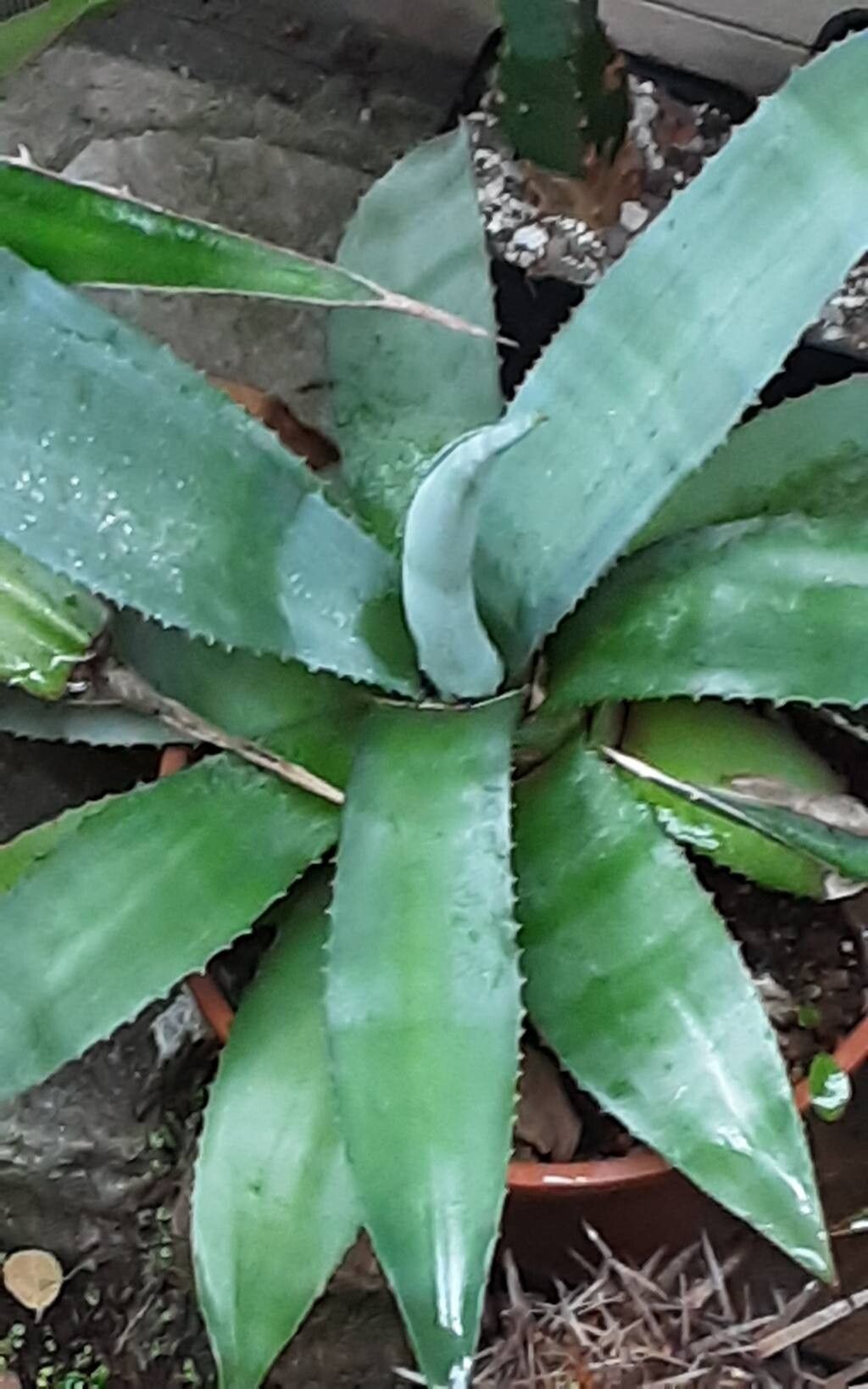
Oh, hello there! Pull up a chair and let’s chat about something I’m just as passionate about as you are: growing beautiful plants. Today, we’re diving into the wonderful world of Agave asperrima, or the Rough Agave.
Why You’ll Love Propagating Agave asperrima
There’s something incredibly satisfying about taking a piece of a plant you love and coaxing it into a brand new life. Agave asperrima, with its striking architectural form and often beautiful rosettes, is a real showstopper. And the best part? They’re quite generous with their offspring! Propagating them is a fantastic way to fill your garden, share with friends, or even start a small nursery. For beginners, this is a moderately easy plant to get started with. A little patience goes a long way.
The Best Time to Start
Timing is everything in gardening, isn’t it? For Agave asperrima, the absolute best time to start propagating is during their active growing season. Think late spring through early summer. This is when the plant is full of energy and readiness to put out new growth, which means your cuttings or pups will have the best chance of rooting quickly.
Supplies You’ll Need
Gathering your tools beforehand makes the whole process smoother. Here’s what I usually have on hand:
- Sharp, clean pruning shears or a sterile knife: This is crucial for making clean cuts.
- Rooting hormone (optional but recommended): Particularly useful for stem cuttings.
- Well-draining potting mix: A cactus and succulent mix is ideal. You can also make your own by combining potting soil with perlite or pumice (about a 1:1 ratio).
- Small pots or trays: Make sure they have drainage holes!
- Gloves: Agave leaves can have sharp edges.
- A watering can or spray bottle.
- A shallow tray or dish (for water propagation).
Propagation Methods
Agave asperrima typically puts out offsets, also known as pups, at its base. This is the most common and easiest way to get started. Occasionally, you might also find stem cuttings if the plant has grown tall.
Method 1: Offsets (Pups) – My Go-To!
This is the most straightforward method, and usually my first choice.
- Locate the pups: Look for small agave plants growing around the base of your mature agave. They usually emerge from the soil near the main plant’s crown.
- Gently remove soil: Carefully brush away the soil from the base of the pup until you can see where it’s attached to the mother plant. You might need to dig very gently with your fingers or a small trowel.
- Sever the connection: Using your clean pruning shears or knife, cut the pup away from the mother plant. Try to get a bit of the pup’s own root, if possible.
- Let it callus: This is a super important step! Place the severed pup in a dry, shaded spot for several days to a week. You want the cut end to dry out and form a callus. This prevents rot when you plant it.
- Pot it up: Once callused, plant the pup in a small pot filled with your well-draining succulent mix. Don’t plant it too deep; just ensure the base is stable.
- Water sparingly: Wait a week or two after planting before watering for the first time. Then, water only when the soil is completely dry.
Method 2: Stem Cuttings (Less Common, but Possible)
If your agave has grown tall and leggy, or if you’ve had to prune it, you might have a stem piece.
- Prepare the cutting: Using your clean knife, cut a section of the stem that has at least a few leaves. You can also use the top rosette if it detaches cleanly.
- Remove lower leaves: Gently pull off any leaves from the bottom part of the stem cutting.
- Let it callus: Just like with pups, you must let the cut end callus over. This usually takes at least a week, sometimes longer. Patience here is key!
- Rooting hormone (optional): Dip the callused end in rooting hormone powder before planting.
- Plant it: Stick the callused end (or the cut base of the rosette) about an inch or so into your well-draining mix.
- Water very sparingly: Wait at least two weeks before the first light watering. Mist the soil surface occasionally if it looks extremely dry, but avoid soaking it.
Method 3: Water Propagation (For Seedlings or Tiny Pups)
This method is less common for larger agave, but I’ve had some success with very small, detached pieces.
- Prepare the cutting: Ensure the piece you’re using has a clean cut and has callused for a day or two.
- Place in water: Put the cutting in a clean jar or container with just enough water to cover the very bottom of the cut end. The leaves should never touch the water.
- Change water regularly: Change the water every few days to keep it fresh and prevent bacterial growth.
- Provide bright, indirect light: Place the container in a spot with plenty of light, but out of direct sun.
- Plant when rooted: Once you see a decent amount of root growth, carefully transplant it into a pot with well-draining soil.
The “Secret Sauce” (Pro Tips)
Here are a couple of nuggets of wisdom from years spent in the garden dirt:
- Don’t rush the callus: I’ve seen so many beginners plant cuttings too soon, only to end up with rot. That callusing period is non-negotiable. It’s like giving your plant a protective bandage before surgery.
- Bottom heat can be a game-changer: If you’re trying to speed things up, especially with stem cuttings, placing your pots on a heat mat designed for seedlings can really encourage root development. Just a little warmth makes a big difference.
- Think desert, not rainforest: Agaves are desert dwellers. They hate wet feet. Ensure your soil is always gritty and drains like a sieve. Overwatering is the quickest way to lose a new cutting.
Aftercare & Troubleshooting
Once your agave cutting or pup starts to show signs of life – new growth, or perhaps you can gently tug and feel root resistance – congratulations!
- Continue to water sparingly: Let the soil dry out completely between waterings.
- Gradually introduce to more light: Once rooted, you can slowly move it into brighter light, but always avoid harsh, direct sun initially.
- Watch for rot: The biggest enemy is rot. If you see mushy, blackening leaves or stem, it’s likely rot. Unfortunately, there’s often little you can do if it’s advanced. Prevention through proper watering and aeration is key.
- Pests are rare, but possible: Keep an eye out for common succulent pests like mealybugs. Treat them promptly with insecticidal soap or neem oil, diluting it well to avoid shocking your sensitive new plant.
Go Forth and Grow!
Propagating Agave asperrima is such a rewarding journey. It teaches you patience and observation. Don’t be discouraged if you have a few setbacks; every gardener does! Just enjoy the process of nurturing these spiky beauties into existence. Happy gardening!
Resource:
https://identify.plantnet.org/k-world-flora/species/Agave%20asperrima%20Jacobi/data