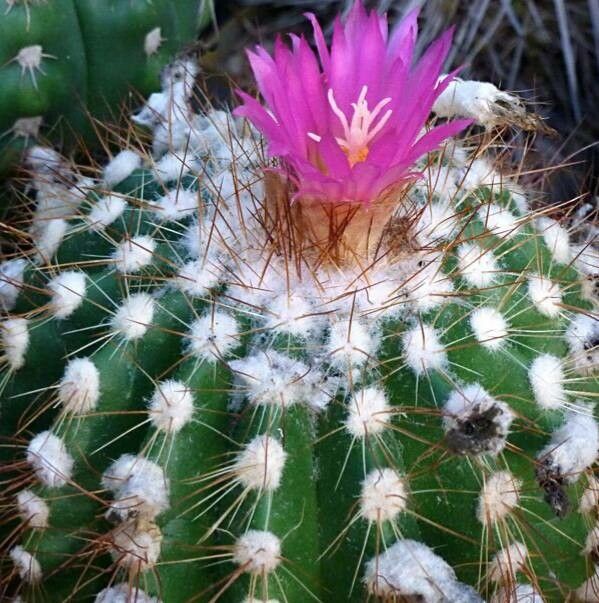
Oh, Parodia horstii! If you’ve ever met this striking cactus, you know what I’m talking about. Its elegant, radial spines and often stunning flowers make it a real showstopper. And the best part? You can easily bring more of that beauty into your garden (or home!) by propagating it. I find propagation incredibly rewarding; it’s like unlocking a little bit of nature’s magic.
Now, is Parodia horstii a breeze for absolute beginners? I’d say it’s moderately easy. If you’ve dabbled in propagating succulents before, you’ll find this a friendly next step. Patience is key, as with most things in gardening, but the rewards are well worth it.
The Best Time to Start
When it comes to giving your Parodia horstii the best chance at rooting, aiming for its active growing season is your golden ticket. For most of us, this means late spring through summer. You’ll see increased growth and energy in the plant during these months, which translates to a higher success rate when you take cuttings or divide. Avoid propagating when the plant is dormant in winter; it just won’t have the vigor to push out new roots.
Supplies You’ll Need
Here’s what you’ll want to have on hand before you begin:
- Well-draining potting mix: A cactus and succulent mix is ideal. You can also make your own by combining equal parts potting soil, perlite, and coarse sand.
- Clean, sharp knife or pruning shears: Sterilize them with rubbing alcohol to prevent spreading any nasty bits.
- Rooting hormone (optional but helpful): This is like a little booster shot for your cuttings.
- Small pots or trays: Make sure they have drainage holes!
- Labels: Essential for remembering what you planted and when.
- Gloves: Cacti spines can be persistent!
- Spray bottle: For gentle watering.
- Newspaper or paper towels: To catch any sap.
Propagation Methods
Parodia horstii is quite amenable to propagation through offsets (also called pups or babies), which are the little clusters that grow around the base of the main plant. This is generally the easiest and most successful method.
Propagating Offsets
- Assess your plant: Look for any small, well-formed offsets that have started to grow at the base of your mature Parodia horstii. These should ideally be about an inch or two in diameter and show a few spines themselves.
- Gently separate the offset: Using your clean knife or shears, carefully cut the offset away from the mother plant. Try to get as much of its base as possible, ensuring it has some of its own root attachment if it’s started to develop them. If the offset comes away easily with a few roots already formed, even better!
- Allow to callus: This is a crucial step! Place the removed offset in a dry, warm, and well-ventilated spot for several days to a week, or even longer. You want the cut surface to dry out and form a hard, protective callus. This prevents rot when you plant it.
- Plant the offset: Once callused, lightly dip the cut end in rooting hormone (if using). Then, plant it in your prepared cactus and succulent mix in a small pot. Don’t bury it too deeply; just set it so it’s stable.
- Don’t water immediately: Resist the urge to water for about another week or two. Let the offset settle in and encourage it to search for moisture.
The “Secret Sauce” (Pro Tips)
I’ve learned a few tricks over the years that can really give your propagation efforts a boost.
- When separating offsets, if the connection is tricky, I often find a gentle twist combined with a careful cut works wonders. It’s less about brute force and more about understanding where the plant wants to ‘break’ naturally.
- For that extra bit of encouragement, especially if you’re in a cooler or less sunny spot, I’ll often place my newly potted offsets on a heat mat designed for seedlings. Just a gentle warmth from below can significantly speed up root development without drying out the soil too quickly.
- Don’t be afraid of air circulation. When those offsets are callusing, make sure they have plenty of fresh air. If you’re working indoors, a small fan on a low setting nearby can make a big difference in preventing any fungal issues before they even start.
Aftercare & Troubleshooting
Once your offset has been planted and you’ve waited that crucial initial period, you can begin to water very sparingly. Use your spray bottle to lightly mist the soil surface. As roots develop, you can gradually increase watering to mimicking the care of a mature Parodia horstii – allowing the soil to dry out completely between waterings.
The biggest enemy of newly propagated cacti is rot. You’ll know rot has set in if the offset starts to turn mushy, discolored (often brown or black), or develops a foul smell. This is usually a sign of too much moisture or not allowing it to callus properly. Sadly, if rot takes hold, the cutting is generally lost.
Another sign of trouble is if the offset shrivels excessively without showing any signs of rooting. This could mean it’s too dry, or it just didn’t have enough stored energy to begin with. Don’t give up immediately, as some cacti can take a while to establish!
A Encouraging Closing
Growing new plants from existing ones is such a satisfying journey. Be patient with your Parodia horstii offsets. Sometimes they take their sweet time sending out roots. Enjoy the process, celebrate the little victories, and before you know it, you’ll have more of these beautiful cacti to admire! Happy propagating!
Resource:
https://identify.plantnet.org/k-world-flora/species/Parodia%20horstii%20(F.Ritter)%20N.P.Taylor/data