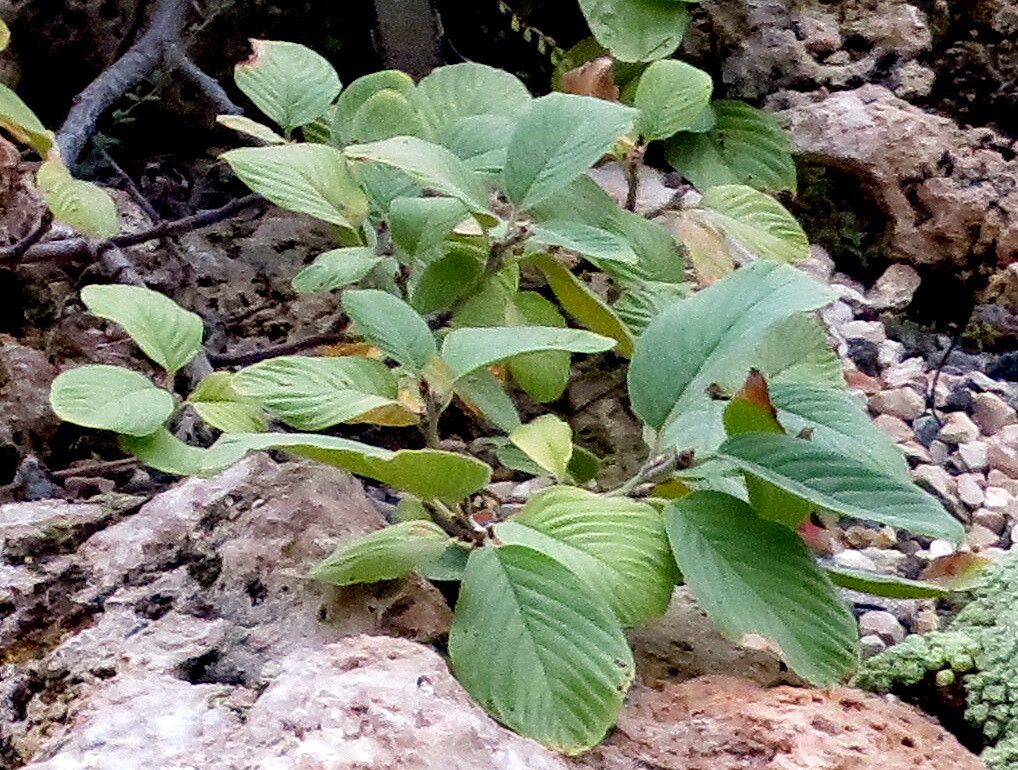
Oh, Rhamnus sibthorpiana! What a lovely choice to bring into your garden. I’ve always admired its graceful habit and the subtle beauty it brings to even the shadiest corners. Propagating this little gem is a wonderfully rewarding experience, giving you more of that charm to share or simply to fill out your own landscape. And for those of you just starting out, you’ll be pleased to know that Rhamnus sibthorpiana isn’t a particularly fussy plant to propagate, making it a great project for beginners and seasoned gardeners alike.
The Best Time to Start
For the highest chance of success with Rhamnus sibthorpiana, I find that late spring to early summer is your golden window. This is when the plant is actively growing, and you’ll be taking cuttings from what we horticulturists call “semi-ripe” wood. It’s not hard and woody like an old branch, nor is it so soft and floppy that it won’t hold its shape. This stage means the cuttings have enough stored energy to develop roots while still being pliable enough to root easily.
Supplies You’ll Need
Before we get our hands dirty, let’s gather our tools. Having everything ready makes the process so much smoother:
- Sharp pruning shears or a clean knife: For making clean cuts on your cuttings. Dirty tools can spread disease!
- Rooting hormone (powder or gel): While not strictly essential for Rhamnus sibthorpiana, it can give your cuttings a real boost.
- A well-draining potting mix: I usually mix equal parts peat moss or coco coir with perlite or coarse sand. You want something that lets water drain away quickly.
- Small pots or rooting trays: Clean ones are key!
- Plastic bags or a propagator: To create a humid environment around your cuttings.
- Water spray bottle: For keeping your cuttings hydrated.
- Labels and a marker: To keep track of what you’ve planted and when.
Propagation Methods: Stem Cuttings
This is usually my go-to method for Rhamnus sibthorpiana, and it’s quite straightforward.
- Take Your Cuttings: Head out when the weather is pleasant, ideally in the morning after the dew has dried. Look for healthy, non-flowering shoots that are about 4-6 inches long. Make your cut just below a leaf node (where a leaf attaches to the stem). This is where the magic happens for rooting. You can take several cuttings from a single plant.
- Prepare the Cuttings: Gently strip off the lower leaves from your cuttings. You want to leave just two to four leaves at the very top. This reduces water loss and prevents the leaves from rotting when they’re in the soil. If your leaves are quite large, you can even snip them in half horizontally to further reduce transpiration.
- Dip in Rooting Hormone (Optional but Recommended): Dip the cut end of each cutting into your rooting hormone. Tap off any excess.
- Plant Your Cuttings: Fill your clean pots or trays with your prepared potting mix. Make a small hole in the center of the mix with a pencil or your finger, and gently insert the cutting. Firm the soil gently around it to ensure good contact with the cut end. You can plant several cuttings in one pot, spacing them a couple of inches apart.
- Water and Cover: Water your cuttings gently but thoroughly. Then, cover the pot loosely with a clear plastic bag or place it inside a propagator. This creates a mini-greenhouse effect, keeping the humidity high, which is crucial for cuttings to root. You can prop up the bag with a few sticks to prevent it from touching the leaves.
Water Propagation (Less Common, but Possible): You can also try rooting Rhamnus sibthorpiana in water. Take similar cuttings, remove the lower leaves, and place them in a jar of clean water. Make sure no leaves are submerged, as this will cause them to rot very quickly. Change the water every few days. Once you see little roots forming, you can transplant them into potting mix.
The “Secret Sauce” (Pro Tips)
Here are a few little tricks I’ve learned over the years that can really make a difference:
- Bottom Heat Helps Immensely: If you have access to a heated propagator or even a sunny windowsill where you can place your pots on a seedling heat mat, do it! For many plants, including Rhamnus sibthorpiana, bottom heat encourages root development much faster than top heat alone. It tricks the plant into thinking spring has sprung underneath.
- Don’t Be Afraid to “Wound” Gently: For those slightly tougher cuttings, you can very gently scrape away a sliver of bark (about an inch long) from one side of the bottom end of the cutting. This exposes some of the cambium layer, which can sometimes stimulate more vigorous root formation. Be very careful not to damage the entire stem.
- Location, Location, Location: Once your cuttings are potted and covered, find them a bright spot, but avoid direct, scorching sunlight, especially in the first few weeks. Dappled shade or bright, indirect light is perfect. Too much sun will cook them before they have a chance to root.
Aftercare & Troubleshooting
Patience is key here! It can take anywhere from 4 to 8 weeks, or sometimes even longer, for your Rhamnus sibthorpiana cuttings to develop a good root system. You can gently tug on a cutting to feel for resistance, or if you’re using clear pots, you might even see roots peeking out the bottom.
Once you see signs of rooting, it’s time to transition them. Gradually remove the plastic cover over a few days to acclimate them to drier air. Continue to keep the soil consistently moist but not waterlogged.
The most common issue you might encounter is rot. This usually happens if the soil is too wet and there’s not enough air circulation. You’ll notice the cuttings turning mushy and black. If this happens, it’s best to discard them and start again, perhaps with better draining soil or by ensuring your covering isn’t too tightly sealed. Yellowing leaves can sometimes indicate too much water, while wilting could mean they’re too dry. Keep an eye on them and adjust your watering as needed.
A Little Encouragement to Finish
Propagating plants is a journey, not a race. There will be successes, and occasionally, things won’t quite work out as planned. That’s perfectly normal! The most important thing is to enjoy the process of nurturing new life. Observe your cuttings, learn from them, and don’t be afraid to experiment. Soon enough, you’ll have a beautiful collection of Rhamnus sibthorpiana to admire and perhaps even share with fellow garden lovers. Happy propagating!
Resource:
https://identify.plantnet.org/k-world-flora/species/Rhamnus%20sibthorpiana%20Schult./data