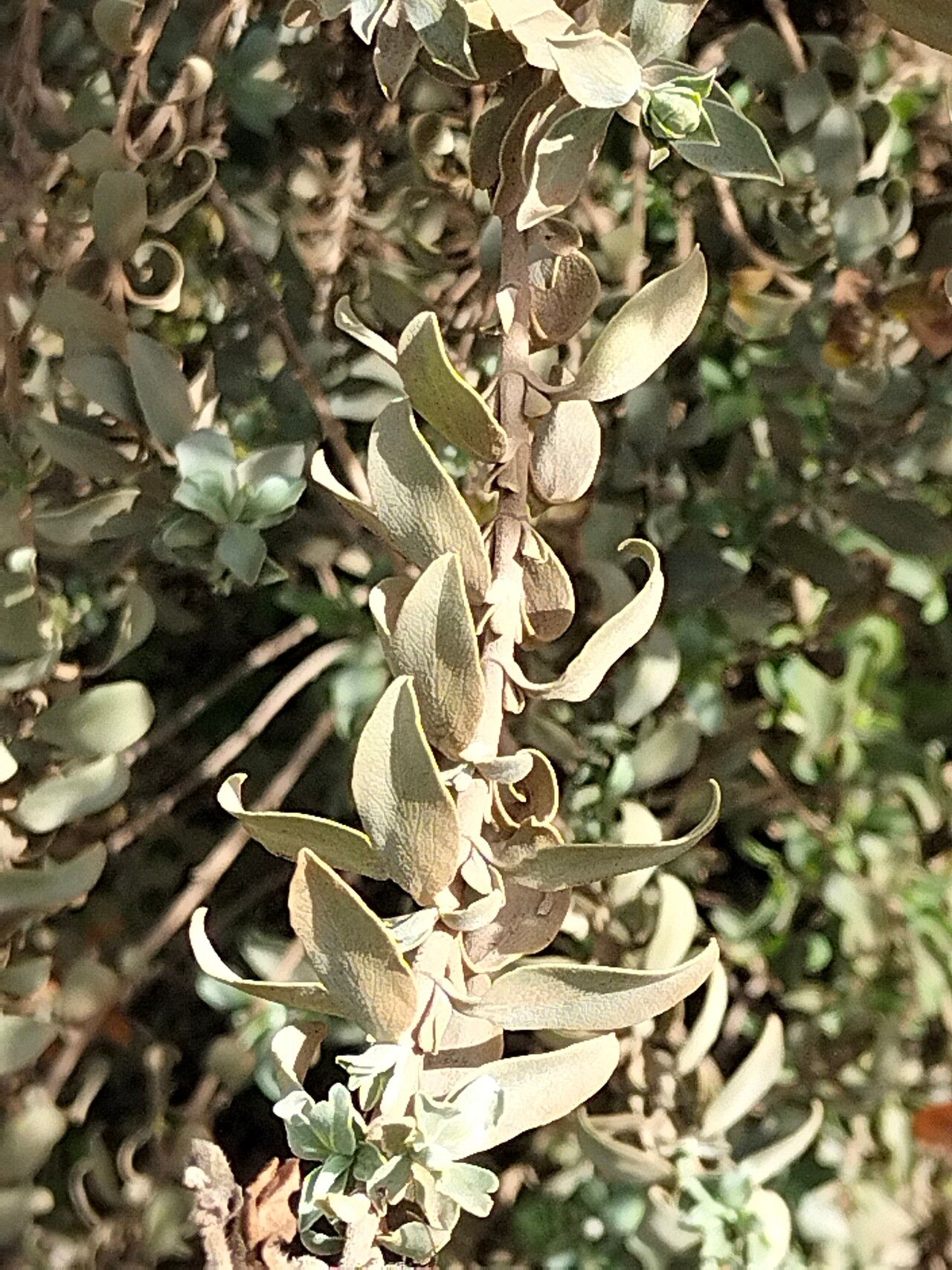
Oh, hello there! Pull up a chair, won’t you? I’m just so excited to chat with you about Salvia aerea, or as I like to call it, the “Golden Sage.” If you haven’t met this beauty yet, imagine waves of vibrant, golden-yellow flowers that seem to capture sunshine itself. It’s a sturdy, reliable performer, and honestly, one of the most rewarding plants to bring more of into your garden.
Why Propagate? It’s More Than Just More Plants
There’s a special kind of joy that comes from taking a little piece of your favorite plant and watching it grow into something magnificent all on its own. Propagating Salvia aerea is a fantastic way to expand your collection, share with friends (trust me, they’ll be begging for cuttings!), or even just secure a backup for a beloved plant. For beginners, I’d say Salvia aerea is moderately easy to propagate. It’s not as fussy as some, but a little attention to detail goes a long way.
The Best Time to Start
When it comes to Salvia aerea, the sweet spot for propagation is typically during its active growing season, which is generally late spring to early summer. This is when the plant has plenty of energy to put into developing new roots. You’re looking for semi-hardwood cuttings, which means the stems are no longer brand new and soft, but not yet old and woody. They should have a bit of flexibility.
Supplies You’ll Need
Gathering your tools beforehand makes the whole process so much smoother. Here’s what you’ll want to have on hand:
- Sharp Pruning Shears or a Clean Knife: For making clean cuts.
- Rooting Hormone: While not always essential for Salvia, it can give your cuttings a real boost. I prefer the powder form.
- Potting Mix: A well-draining mix is crucial. I usually use a blend of peat moss or coco coir, perlite, and a little compost. You can also buy specialized seed-starting or cutting mixes.
- Small Pots or Trays: Make sure they have drainage holes!
- Watering Can or Spray Bottle: For gentle watering.
- Plastic Bags or a Clear Dome: To maintain humidity around your cuttings.
- Labels and a Pen: So you don’t forget what you planted where!
Propagation Methods: Let’s Get Our Hands Dirty!
For Salvia aerea, stem cuttings are my go-to method. It’s reliable and efficient.
Stem Cuttings:
- Take Your Cuttings: On a cool morning, select healthy, non-flowering stems. Using your clean shears, cut stems about 4-6 inches long. Make your cut just below a leaf node (where a leaf attaches to the stem). This is where the magic happens for root development.
- Prepare the Cuttings: Gently remove the lower leaves, leaving just a few at the top. If your cuttings are very long, you can even pinch off the top growing tip to encourage bushier growth later on.
- Dip in Rooting Hormone: Moisten the cut end of the stem slightly, then dip it into your rooting hormone, tapping off any excess. This step is optional but helpful.
- Plant Your Cuttings: Fill your pots or trays with your prepared potting mix. Make a small hole with a pencil or your finger, and gently insert the cutting, ensuring the nodes where you removed leaves are buried. The soil should be firm around the stem.
- Water Gently: Water your cuttings thoroughly but carefully, so you don’t dislodge them. A gentle misting from a spray bottle can be perfect.
The “Secret Sauce” (Pro Tips)
Here are a few things I’ve learned over the years that can make a big difference:
- Keep it Humid, But Not Soggy: Once your cuttings are planted, cover them with a plastic bag or a clear dome to create a humid environment. This is vital because the cuttings don’t have roots yet to take up water, and the humidity prevents them from drying out. Make sure the leaves don’t touch the sides of the bag, or they can rot. I often prop up the bag with a small stick.
- Bottom Heat is Your Friend: If you have the option, placing your pots on a gentle heating mat can significantly speed up the rooting process. Salvia roots love a little warmth from below. Just ensure the heat isn’t too intense.
Aftercare & Troubleshooting
Once your cuttings are potted, place them in a bright location that gets indirect sunlight. Avoid direct sun, which can scorch those delicate new beginnings. Keep the soil consistently moist but not waterlogged.
The real test? Gentle tugs. After about 3-6 weeks, give a cutting a very light tug. If you feel resistance, that’s a good sign roots have formed! You’ll also start to see new leaf growth. Once they’re well-rooted, you can start acclimatizing them to slightly drier conditions and eventually transplant them into larger pots or their permanent garden spot.
What if something goes wrong? The most common culprit is rot. This usually happens from overwatering and poor drainage, or if the humidity is too high for too long without airflow. If you see mushy stems or mold, it’s best to discard that cutting and try again, focusing on better drainage and more controlled humidity.
Keep Planting, Keep Growing!
So, there you have it! Propagating Salvia aerea is a delightful way to connect more deeply with your garden. Be patient, observe your cuttings, and celebrate every bit of progress. Happy propagating!
Resource:
https://identify.plantnet.org/k-world-flora/species/Salvia%20aerea%20H.Lév./data