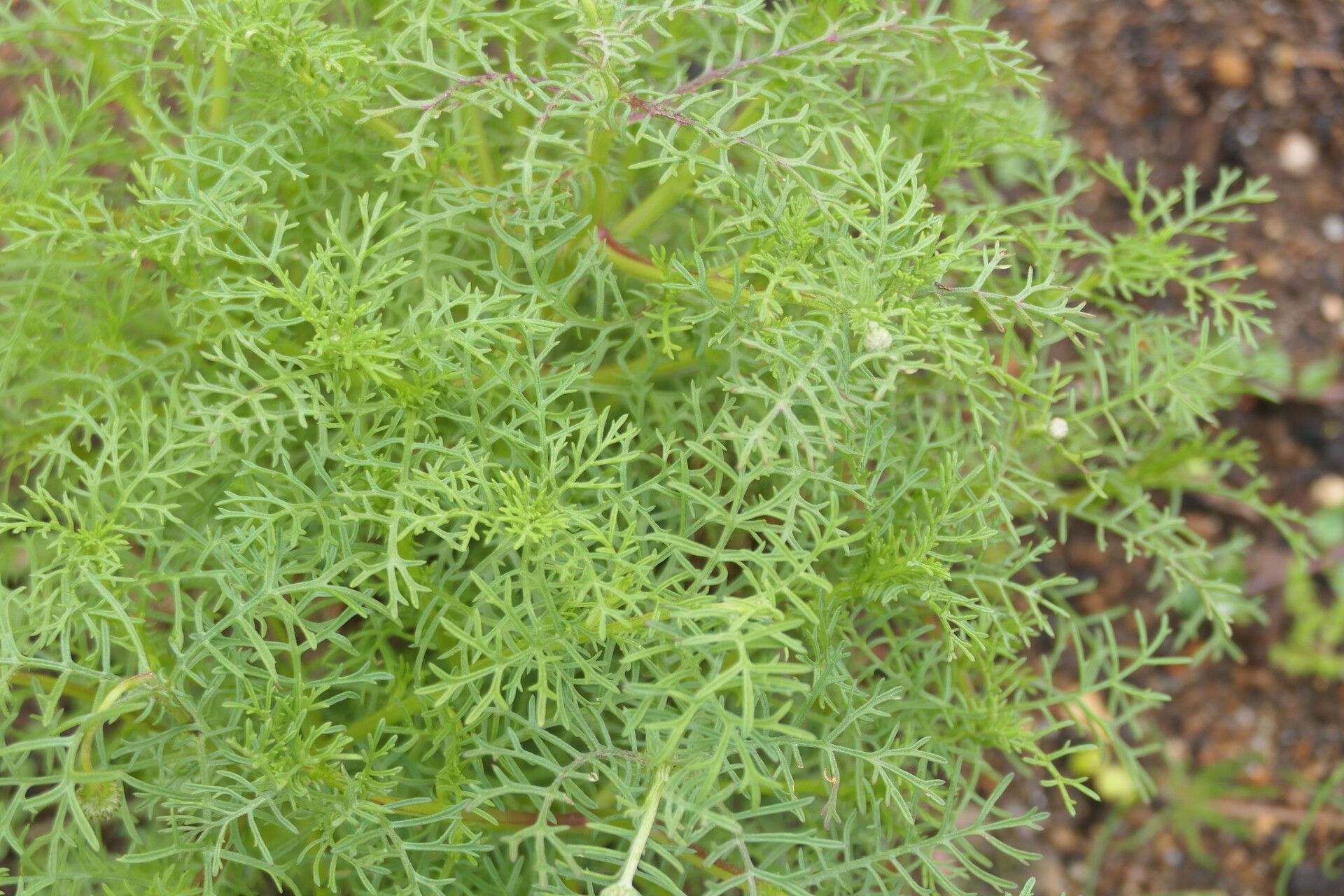
Hello fellow garden enthusiasts!
Today, we’re diving into the wonderful world of propagating Ursinia calenduliflora. If you adore vibrant, daisy-like flowers that bring a splash of sunshine to your garden beds, then you’re going to love growing more of these beauties from cuttings or seeds. There’s a special kind of joy in taking a little piece of a plant you love and nurturing it into a whole new life. It’s a humbling reminder of nature’s resilience and a fantastic way to expand your garden without spending a fortune. For beginners, I’d say propagating Ursinia is moderately easy. It’s not as finicky as some of the more delicate species, but it does appreciate a bit of attention to detail.
The Best Time to Start
My favorite time to get started with Ursinia is in the late spring or early summer. As the days get longer and warmer, the plant is usually in a strong growth phase. This vigorous energy really helps cuttings establish themselves quickly. You can also gather seeds from your existing plants once they’ve gone to flower and faded, so seed propagation can happen in late summer or fall, ready for spring planting.
Supplies You’ll Need
To set yourself up for success, gather these essentials:
- Sharp pruning shears or a clean knife: For taking healthy cuttings.
- Rooting hormone powder or gel: While not always strictly necessary for Ursinia, it can give your cuttings a helpful boost.
- A well-draining seed starting mix or potting mix: I often use a blend of peat moss, perlite, and a little bit of compost. For Ursinia, a mix that doesn’t hold too much moisture is key.
- Small pots or seed trays: Clean pots are very important to prevent disease.
- Plastic bags or a propagator lid: To create a humid environment for cuttings.
- Spray bottle: For misting.
- Labels and a marker: To keep track of what you’ve planted and when!
Propagation Methods
Ursinia calenduliflora is quite forgiving, and I’ve found success with a couple of methods.
1. Stem Cuttings:
This is my go-to for Ursinia. It’s efficient and yields new plants that are identical to the parent.
- Select Your Cuttings: Look for healthy, non-flowering shoots that are about 3-4 inches long. They should feel firm, not floppy. Using brand-new growth is best.
- Make the Cut: Using your sharp and clean tool, make a cut just below a leaf node (where a leaf attaches to the stem). This is where the plant’s rooting hormones tend to be concentrated.
- Prepare the Cuttings: Gently remove the lower leaves from the cutting, leaving just a couple at the very top. You can dip the cut end into rooting hormone powder or gel if you’re using it, tapping off any excess.
- Plant Them Up: Fill your clean pots or trays with your moistened, well-draining mix. Make a small hole with your finger or a pencil and insert the cutting. Gently firm the soil around it.
- Create Humidity: Water the soil gently, then cover the pots with a plastic bag or propagator lid. This is crucial for keeping the cuttings from drying out before they can grow roots.
2. Water Propagation (for experienced gardeners):
While cuttings often do better in soil, you can try water propagation.
- Prepare Cuttings: Follow the same steps as for stem cuttings, but you don’t need rooting hormone.
- Place in Water: Put the cuttings in a small jar or glass of clean water, ensuring that no leaves are submerged. Leaves in the water will rot and can kill your cutting.
- Location: Place the jar in a bright spot, but out of direct, searing sunlight.
- Change Water: Change the water every few days to keep it fresh and prevent bacterial growth. You should see tiny white roots forming within a few weeks. Once the roots are about an inch long, you can carefully transplant them into soil.
The “Secret Sauce” (Pro Tips)
Here are a few things I’ve learned along the way that make a big difference:
- Bottom Heat is Your Friend: Ursinia loves a bit of warmth when it’s trying to root. Placing your pots on a heat mat designed for seedlings can significantly speed up the rooting process and increase your success rate. You don’t need it scorching hot, just a gentle warmth.
- Don’t Overwater the Soil: While we need to keep the mix moist, soggy soil is a death sentence for cuttings. They can’t breathe and are prone to rot. Water only when the top inch of soil feels dry to the touch, and always ensure your pots have good drainage holes.
- Air Them Out: Even with a plastic bag, it’s good practice to lift the bag or lid for a few minutes each day to allow for some air circulation. This helps prevent fungal diseases.
Aftercare & Troubleshooting
Once your Ursinia cuttings have started to show signs of new growth – little leaves unfurling at the top – that’s a good indication they are rooting!
- Acclimatize: Gradually remove the plastic covering over a week or so. Start by taking it off for a few hours a day, then longer, until they are fully independent.
- Transplanting: When the tiny plants have a few sets of true leaves and are starting to become a bit root-bound in their small pots, it’s time to pot them up into larger containers or directly into the garden if your last frost has passed. Continue to water them consistently, but allow the soil to dry slightly between waterings.
- Troubleshooting: The most common issue you’ll encounter is rot. If your cuttings turn black and mushy at the base, it’s usually due to too much moisture and poor air circulation. Unfortunately, once rot sets in, it’s very difficult to save them. If you see tiny white fluffy mold on the soil surface, it’s also a sign of too much dampness. You can try gently scraping it away and allowing the soil to dry out more. Ensure you’re using clean tools and pots to start with – prevention is key!
A Bit More Patience, A Lot More Blooms!
So there you have it! Propagating Ursinia calenduliflora is a rewarding endeavor that brings the beauty of these cheerful flowers within easy reach. Be patient with your new little plants; sometimes they take their time to get going. Enjoy the process of nurturing them, and before you know it, you’ll have a whole host of sunshine-yellow blooms to share or enjoy yourself. Happy gardening!
Resource:
https://identify.plantnet.org/k-world-flora/species/Ursinia%20calenduliflora%20(DC.)%20N.E.Br./data