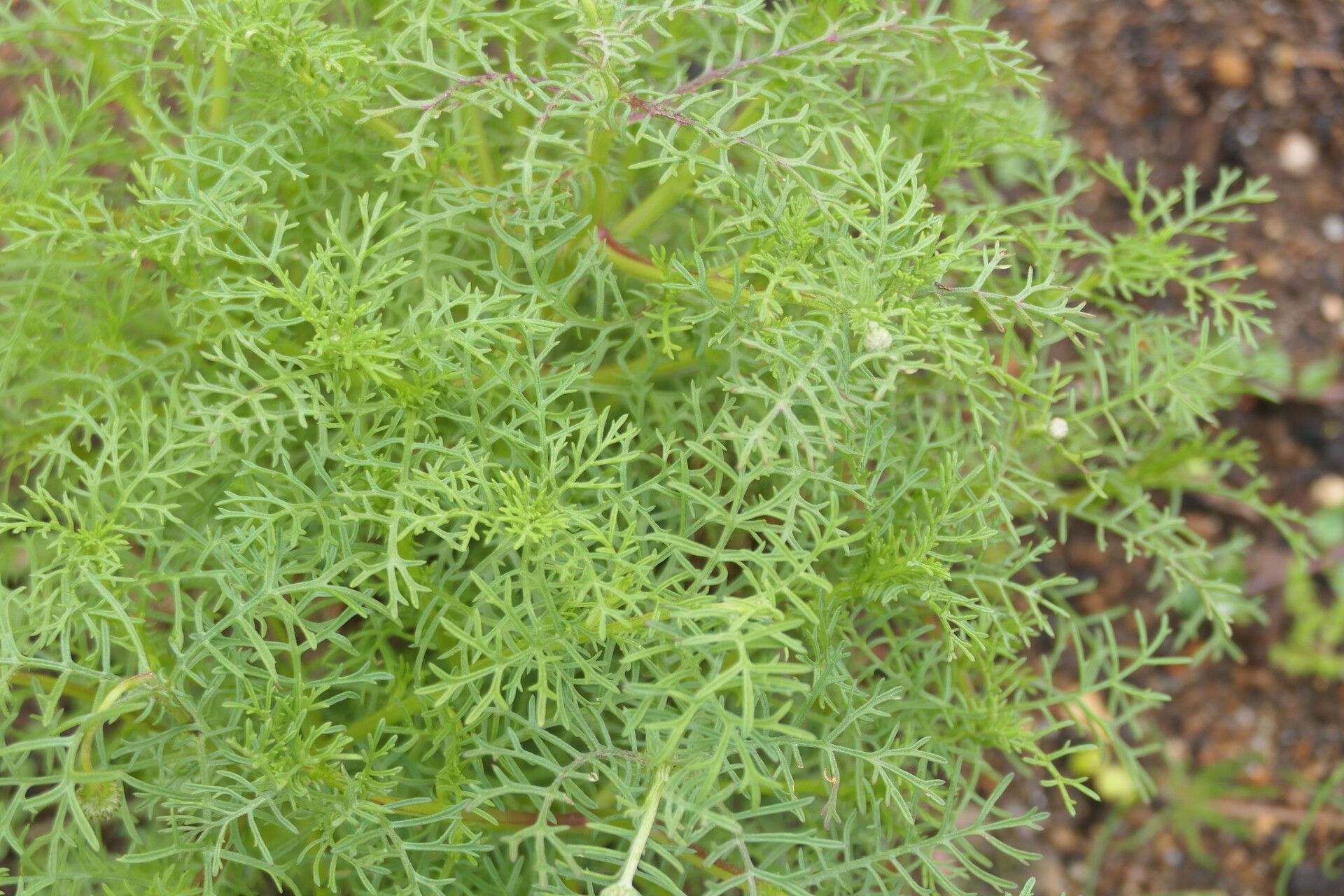
Oh, Ursinia calenduliflora! What a cheerful little bloomer. I remember the first time I saw them, a carpet of fiery orange and sunshine yellow dancing in the breeze. They just have this way of bringing pure joy to any garden corner. And the best part? They’re surprisingly rewarding to multiply. If you’re looking to fill your garden with more of that sunshine, or perhaps share these beauties with friends, propagating them is a wonderful journey. For beginners? I’d say they’re moderately beginner-friendly. A little patience goes a long way, and with these tips, you’ll be well on your way.
The Best Time to Start
For Ursinia, I’ve found the sweet spot for propagation is in late spring to early summer, right when things are really kicking into high gear. You want to catch them in a phase of active growth, but before the mid-summer heat really stresses them out. Taking cuttings from healthy, non-flowering stems during this time gives them the best chance to establish themselves quickly.
Supplies You’ll Need
Before we dive in, let’s gather our little toolkit. Having everything ready makes the process so much smoother:
- Sharp Pruning Shears or a Craft Knife: Clean cuts are crucial for preventing disease.
- Seed Starting Mix or a Well-Draining Potting Mix: Something light and airy is best. I often mix in a little perlite.
- Small Pots or Seed Trays: Clean containers are a must!
- Rooting Hormone (Optional but Recommended): This gives your cuttings a nice little boost.
- Plastic Bag or Clear Plastic Dome: To create a humid environment.
- Watering Can or Spray Bottle: For gentle watering.
- Labels: To keep track of what you’ve propagated!
Propagation Methods
Ursinia calenduliflora is quite amenable to propagation via stem cuttings. It’s my go-to for these beauties.
- Select Your Cuttings: Look for healthy, non-flowering stems that are about 4-6 inches long. You want a stem that’s firm but not woody. Gently bend a stem – if it snaps cleanly, it’s a good candidate.
- Make the Cut: Using your clean shears or knife, make a clean cut just below a leaf node. A leaf node is where a leaf emerges from the stem. This is where roots are most likely to form.
- Prepare the Cuttings: Carefully remove the lower leaves from the cutting, leaving just a couple of leaves at the very top. This prevents the submerged leaves from rotting. If your cuttings are long, you can even cut the remaining leaves in half to reduce water loss.
- Apply Rooting Hormone (If Using): Dip the cut end of the stem into your rooting hormone, tapping off any excess.
- Plant Your Cuttings: Fill your pots or trays with your moistened seed starting mix. Make a small hole with your finger or a pencil and gently insert the cutting. Firm the soil gently around the stem. You can place several cuttings in one pot, giving them a little space.
- Create a Humid Environment: Water the soil very gently. Then, cover the pot with a plastic bag, securing it with a rubber band, or place a clear plastic dome over your tray. This traps humidity, which is vital for cuttings to root.
The “Secret Sauce” (Pro Tips)
Here are a few little tricks I’ve learned over the years that often make a difference:
- Bottom Heat is Your Friend: While not strictly essential for Ursinia, placing your pots on a seedling heat mat can really speed up root development. It creates a consistent, gentle warmth around the base of the cuttings, encouraging them to put down roots much faster.
- Don’t Let Those Leaves Touch: If you’re doing water propagation (which works, though I prefer soil for Ursinia), it’s absolutely critical to ensure no leaves are submerged in the water. Submerged leaves will rot and can kill your cutting before it even has a chance to root.
- Patience with the “Snap Test”: When you think your cuttings have rooted, give them a very gentle tug. If you feel resistance, they’re likely rooted! Trying to pull them out too soon, or before they’re ready, can damage the delicate new roots.
Aftercare & Troubleshooting
Once your cuttings have rooted (you’ll see new leaf growth or feel that resistance when gently tugged), it’s time for a little extra love.
- Acclimatize Slowly: Gradually remove the plastic bag or dome over a few days. Start by taking it off for a few hours each day, slowly increasing the time until the plant is used to the ambient humidity.
- Watering: Water when the top inch of soil feels dry. Avoid overwatering, as this is a common cause of rot. Good drainage from your soil mix is key here.
- Light: Give your new little Ursinia plants bright, indirect light. Direct sun can be too harsh for tender new growth.
- Troubleshooting – The Dreaded Rot: If you see your cutting turning black and mushy, it’s likely rot. This usually happens from too much moisture and not enough air circulation. If you catch it early, you might be able to salvage other cuttings by removing the affected one and improving air flow. Ensure your soil mix is draining well.
A Encouraging Closing
Happy propagating! Remember that nature has its own rhythm, and sometimes things just don’t work out. Don’t be discouraged if a few cuttings don’t make it. The joy is in the process, in nurturing these tiny new lives, and in the reward of seeing them grow into beautiful, blooming additions to your garden. Be patient, experiment, and most importantly, enjoy the journey!
Resource:
https://identify.plantnet.org/k-world-flora/species/Ursinia%20calenduliflora%20(DC.)%20N.E.Br./data