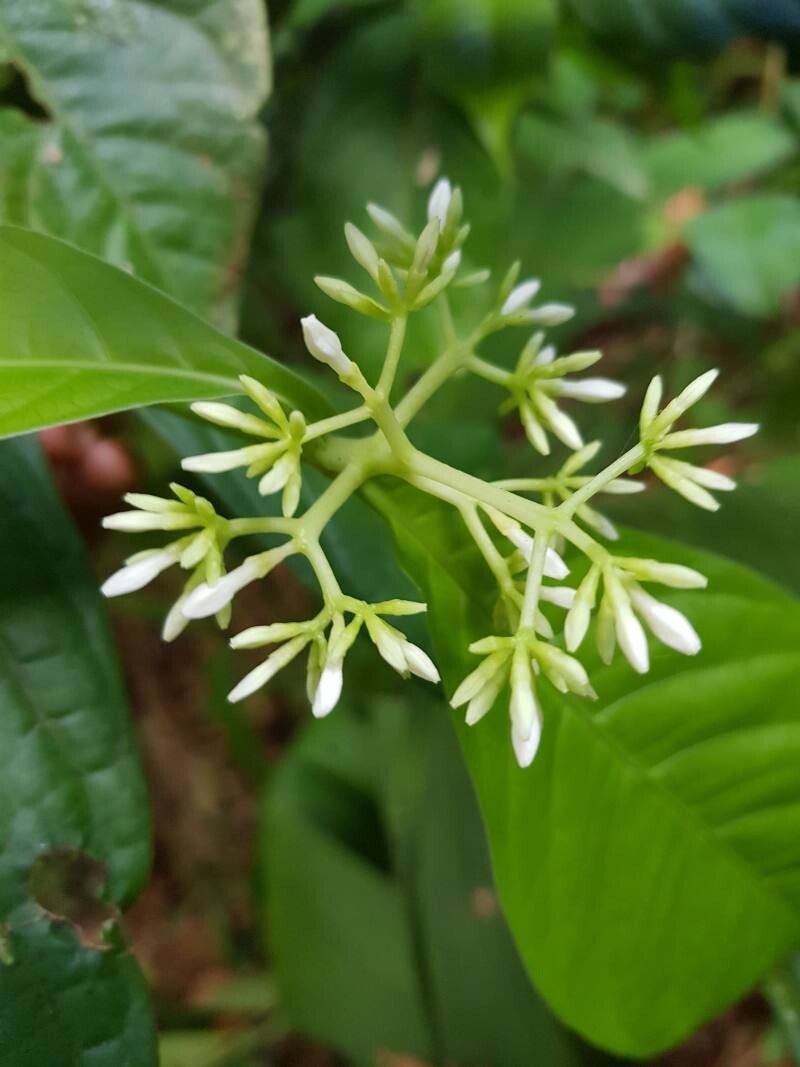
Hey there, fellow green enthusiasts! You know, sometimes I stumble upon a plant that just makes my heart sing. Coussarea loftonii is one of those gems. Its glossy, deep green leaves and subtle fragrance are pure understated elegance. And if you’re like me, you’ll want more than one! Propagating these beauties is incredibly satisfying, a little bit of magic you can create right in your own home. Now, if you’re a complete beginner, this might be a tad challenging, but don’t let that deter you. With a little patience and these tips, you absolutely can coax new life from your existing plant.
The Best Time to Start
For Coussarea loftonii, spring and early summer are your golden ticket. This is when the plant is in its prime growing season, buzzing with energy. New growth is softer and more pliable, making it more receptive to rooting. You want to look for stems that are actively growing but not yet woody. Think of it as harvesting the plant’s youthful vigor.
Supplies You’ll Need
Gather your tools before you begin. It makes the whole process much smoother!
- Sharp, clean pruning shears or a sterile knife. Cleanliness is key to preventing disease.
- A good quality seed starting mix or a mix of perlite and peat moss. We want something that drains beautifully. Don’t be tempted to use heavy garden soil!
- Small pots, 3-4 inches in diameter, with drainage holes.
- Rooting hormone (optional, but can give you a helpful boost). Look for one containing IBA.
- A clear plastic bag or a propagation dome to create a humid environment.
- A spray bottle filled with clean water.
- A heat mat (highly recommended for Coussarea loftonii).
Propagation Methods: Stem Cuttings
This is how I’ve had the most success with Coussarea loftonii. It’s straightforward once you get the hang of it.
- Select Your Cuttings: Find a healthy, non-flowering stem on your mother plant. Look for new growth that’s firm but not woody – about pencil thickness is ideal.
- Make the Cut: Using your clean shears, take a cutting that is 4-6 inches long. Make the cut just below a leaf node (where a leaf attaches to the stem). This node is where root development will occur.
- Prepare the Cutting: Gently remove the lower leaves, leaving just 2-3 at the top. This prevents them from rotting in the soil and encourages the plant to focus its energy on rooting.
- Apply Rooting Hormone (Optional): If you’re using rooting hormone, dip the cut end of the stem into the powder or gel. Tap off any excess.
- Plant Your Cuttings: Fill your small pots with your well-draining potting mix. Make a small hole in the center with your finger or a pencil.
- Insert the Cutting: Gently place the cut end of the stem into the hole, ensuring the leaf nodes you removed are below the soil line. Firm the soil gently around the stem.
- Water Gently: Water the soil thoroughly but avoid waterlogging. You want it moist, not soggy.
- Create a Humid Environment: Place your potted cuttings into a clear plastic bag or cover them with a propagation dome. Seal it up loosely to allow for some air circulation.
- Provide Light and Warmth: Place your propagated cuttings in a spot with bright, indirect light. And here’s where that heat mat comes in handy – place the pots on top of it. This consistent bottom warmth really encourages root formation.
The “Secret Sauce” (Pro Tips)
You know, after years of dabbling, you pick up a few little tricks. Here are a couple that often make all the difference with fussier plants like this.
- Don’t let the leaves touch the water in your spray bottle. When you mist your cuttings, do so gently. If the leaves stay wet for too long, especially without good airflow, they can develop fungal issues. A light misting is just to keep things humid.
- The power of the node: Remember that cut you made just below the leaf node? That’s your money spot! Ensure that part of the stem is firmly nestled in the soil. It’s literally the birthplace of new roots.
- Patience with the heat mat: While bottom heat is fantastic, don’t crank it up too high. Aim for a consistent temperature around 70-75°F (21-24°C). Too hot, and you could cook those delicate roots before they even form.
Aftercare & Troubleshooting
Once your cuttings have been planted, check on them regularly. I usually peek inside the bag or under the dome every couple of days.
You’re looking for signs of rooting. This can take anywhere from 4 to 8 weeks, sometimes longer. A gentle tug on the stem will reveal resistance if roots have formed. You might also see new leaf growth, which is a fantastic indicator!
What if things go wrong? Rot is the most common culprit. If you notice your cutting turning mushy, black, or developing a foul odor, it’s likely succumbed to rot. Usually, this is due to too much moisture, poor drainage, or lack of air circulation. Don’t be disheartened if a few don’t make it! It’s all part of the learning curve. Remove any rotten cuttings immediately to prevent it from spreading.
Once you see good root development – either by gently nudging the pot and feeling resistance, or by peeking at the drainage holes – it’s time to gradually acclimate your new plant to lower humidity. Slowly begin to remove the plastic bag or open the dome for increasing periods each day. Don’t rush this step! Once it’s comfortable being out, you can repot it into a slightly larger pot with fresh potting mix.
A Encouraging Closing
Growing new plants is such a rewarding journey. It’s a chance to connect with nature and witness resilience firsthand. Don’t be discouraged if your first attempts aren’t perfect. Every time you try, you learn a little more. So, grab your shears, get your hands in the soil, and enjoy the process of bringing more of that beautiful Coussarea loftonii into your world. Happy propagating!
Resource: