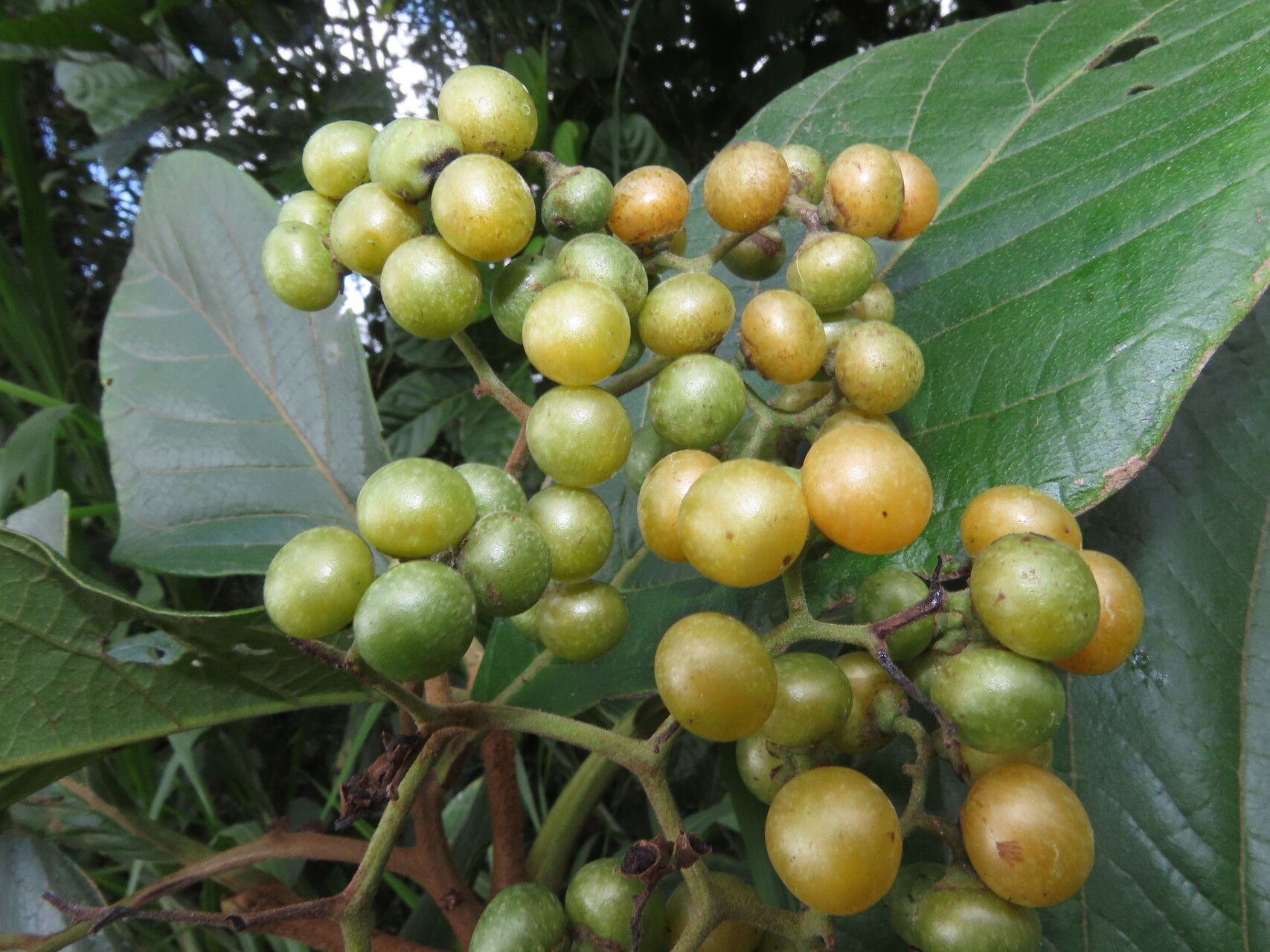
Hello fellow plant lovers! I’m so delighted to chat with you today about a truly special plant – Cordia cymosa. You know, the one with those gorgeous clusters of delicate, bell-shaped flowers that just sing with color? It’s a real showstopper, and I’ve found that its beauty is even more rewarding when you’ve nurtured it from a tiny cutting yourself. Now, if you’re wondering about your beginner status – don’t fret! While Cordia cymosa isn’t the absolute easiest plant to strike from cuttings, with a bit of focused attention, it’s definitely within reach for most gardeners. The joy of seeing those first tiny roots emerge is simply irreplaceable.
The Best Time to Start
For Cordia cymosa, I’ve found late spring to early summer is your prime time. This is when the plant is in its most vigorous growth phase, meaning those cuttings are brimming with energy and ready to set down roots. You want to take cuttings from healthy, semi-hardwood stems. Think of stems that are no longer fully soft and green, but not yet woody and rigid either. They should have a little give when you bend them, but still feel quite firm.
Supplies You’ll Need
Here’s what you’ll want to have on hand before you get started:
- Sharp, clean pruning shears or a sharp knife: Crucial for making clean cuts to avoid damaging the stem and introducing disease.
- Rooting hormone: This isn’t strictly mandatory, but it does give your cuttings a significant boost and increases your success rate. Look for a powder or gel specifically for stem cuttings.
- A well-draining potting mix: I like a blend of equal parts perlite, peat moss, and coir. You can also use a commercial seed-starting or propagation mix. The key is excellent drainage.
- Small pots or trays: Clean plastic pots (4-6 inches) or propagation trays with good drainage holes are perfect.
- A plastic bag or propagator: To create a humid environment for your cuttings.
- Warmth: A heat mat can be a real game-changer, but a warm windowsill works too.
Propagation Methods: Stem Cuttings
This is hands-down the most reliable method I’ve found for Cordia cymosa.
- Select your stem: Gently examine your healthy Cordia cymosa plant. Look for those semi-hardwood stems, about the thickness of a pencil and at least 4-6 inches long.
- Make the cut: Using your clean shears or knife, make a clean cut just below a leaf node. A leaf node is where a leaf attaches to the stem. This is where the magic of root formation often begins.
- Prepare the cutting: Carefully remove the lower leaves, leaving just two or three at the very top. This reduces moisture loss. If the remaining leaves are very large, you can gently cut them in half horizontally to further minimize transpiration.
- Apply rooting hormone: Briefly dip the cut end of the stem into your rooting hormone, tapping off any excess.
- Plant your cutting: Fill your small pot or tray with your prepared potting mix. Make a small hole in the center with your finger or a dibber. Gently insert the cut end of the Cordia cymosa cutting, making sure it’s deep enough to be supported. Firm the soil gently around the stem.
- Water gently: Water the soil thoroughly but gently. You want the soil to be moist, but not waterlogged.
- Create humidity: Place the potted cutting inside a plastic bag or propagator. Seal it loosely. This traps moisture around the leaves and stem. If you’re using a propagator, just close the lid.
The “Secret Sauce” (Pro Tips)
Here are a couple of things I’ve learned over the years that really make a difference:
- “Wipe the rim”: After you water the pot, take a dry paper towel and gently wipe around the inside edge of the pot just above the soil line. This helps prevent fungal gnats which can be a nuisance and sometimes harm delicate cuttings.
- Don’t be shy with the warmth: Cordia cymosa absolutely loves a bit of bottom heat. Placing your pots on a gentle heat mat (set to around 70-75°F or 21-24°C) will encourage root development much faster than just a windowsill alone. You’ll often see roots forming in 4-6 weeks if you provide this warmth.
Aftercare & Troubleshooting
Once your cuttings are planted and set up in their humid environment, remember the golden rule: keep the soil consistently moist but never soggy. Check the moisture level by gently pressing the soil with your finger. If it feels dry, water it.
You’ll start to see new leaf growth, which is a fantastic sign! This usually indicates root development. You can gently tug on the cutting – if you feel resistance, you know roots have taken hold. Once you see a good amount of new growth, it’s time to start gradually acclimatizing your new Cordia cymosa to normal room humidity. Open the plastic bag or propagator for a few hours each day, slowly increasing the time until the bag is completely removed.
The most common issue you might face is rot. This is usually a sign of too much moisture and not enough air circulation. If you see your cutting turning mushy or black at the soil line, it’s likely beyond saving. To prevent this, ensure your soil mix is excellent, don’t overwater, and make sure there’s some air movement around your plants. Sometimes, a bit of mold can appear in the propagator; gently wipe it away with a clean cloth.
Go Forth and Propagate!
Propagating Cordia cymosa might take a little patience, but the reward of nurturing these beauties from scratch is so incredibly fulfilling. Don’t be discouraged if your first few attempts aren’t perfect. Every gardener learns through trial and error! Enjoy the process, watch your new plants grow, and before you know it, you’ll have a whole collection of stunning Cordia cymosa to share with friends. Happy gardening!
Resource:
https://identify.plantnet.org/k-world-flora/species/Cordia%20cymosa%20(Donn.Sm.)%20Standl./data