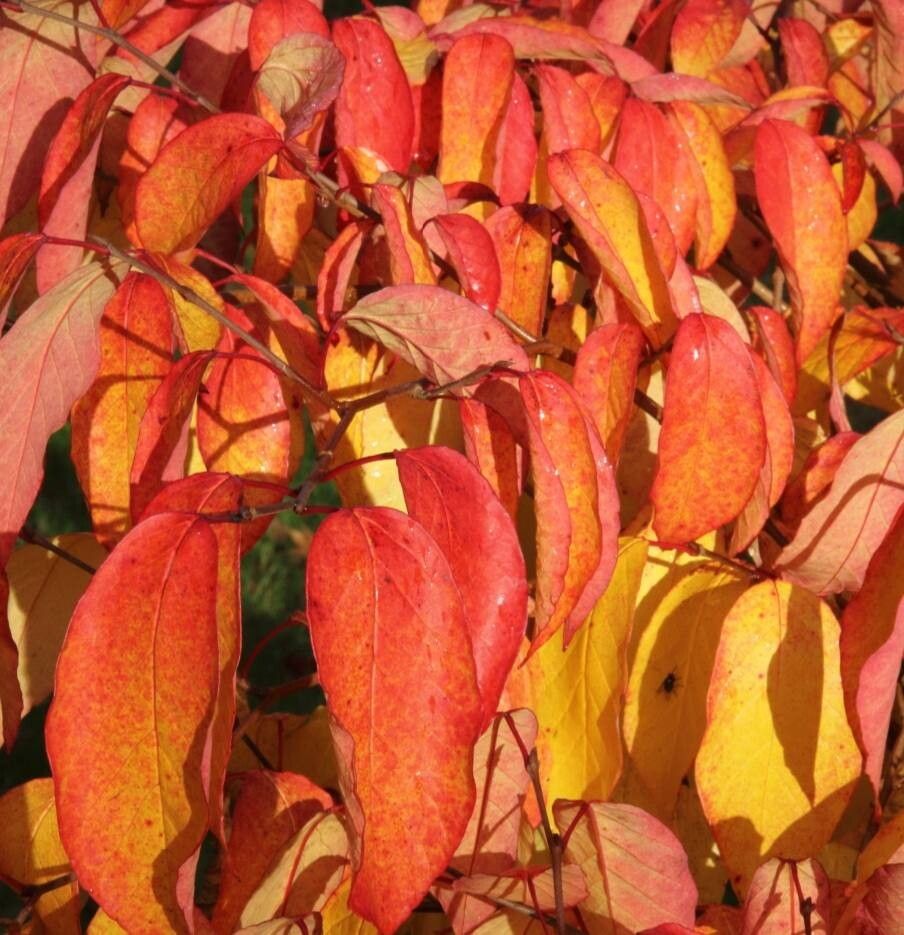
Oh, hello there, fellow garden enthusiast! Pull up a chair and let’s chat about Neoshirakia japonica – isn’t she a stunner? I’ve been growing her for years, and honestly, her delicate, almost architectural foliage has a way of bringing a touch of understated elegance to any shady corner of the garden. And the best part? You can easily fill your own space, or even share her beauty with friends, by propagating her! Now, I won’t lie and say she’s as hands-off as, say, a succulent, but with a little guidance, you’ll find propagating Neoshirakia japonica is a wonderfully rewarding endeavor, even for those just dipping their toes into propagation for the first time.
The Best Time to Start
For the absolute highest success rate, I always find myself reaching for my pruning shears in the late spring or early summer. This is when the plant is putting on its most vigorous new growth. Those tender, yet firm, new shoots are just brimming with life and ready to take root. While you can try it at other times, this window gives you the best chance of those little cuttings enthusiastically embracing their new life.
Supplies You’ll Need
Before we get our hands dirty, let’s gather our tools. It’s always better to be prepared!
- Sharp Pruning Shears or a Clean Knife: For making clean cuts.
- Rooting Hormone (Powder or Gel): This really gives your cuttings a boost. Look for one formulated for herbaceous cuttings.
- Small Pots or Seed Starting Trays: With drainage holes, of course!
- Well-Draining Potting Mix: A good blend of peat moss, perlite, and vermiculite is ideal. You can also use a specialized seed starting mix.
- Plastic Bags or a Clear Propagator: To create a humid environment.
- Watering Can or Spray Bottle: For gentle watering.
Propagation Methods
Let’s dive into the fun part – making more of these beauties!
Stem Cuttings: My Go-To Method
This is my absolute favorite and most reliable way to propagate Neoshirakia japonica.
- Select Your Cuttings: Head out to your plant and look for those healthy, non-flowering stems that have emerged recently. You want pieces that are about 4-6 inches long.
- Make the Cut: Using your sharp shears, make a clean cut just below a leaf node. A leaf node is where a leaf attaches to the stem. This is where the magic happens, as roots will form most readily from here.
- Prepare the Cutting: Gently remove the lower leaves from the cutting, leaving just the top few leaves. This prevents them from rotting in the soil and allows the plant to focus its energy on root development. You can even cut the remaining leaves in half horizontally if they are quite large; this reduces water loss through transpiration.
- Apply Rooting Hormone: Dip the cut end of the stem into your rooting hormone. Tap off any excess.
- Plant Your Cuttings: Fill your small pots with your well-draining potting mix. Make a little hole in the center with your finger or a pencil and insert the cutting, ensuring the leaf nodes where you removed the leaves are buried. Gently firm the soil around the stem.
- Water Gently: Water thoroughly but gently so as not to disturb your cuttings.
- Create a Humid Environment: Place the pots into a plastic bag or a clear propagator, sealing it loosely. This traps moisture and creates the humid microclimate the cuttings need to thrive.
Water Propagation (A Visual Treat!)
While I prefer soil for long-term success, water propagation can be a fascinating way to watch the roots develop.
- Select and Cut: Follow steps 1 and 2 from the stem cutting method.
- Place in Water: Find a clean jar or glass and fill it with fresh, clean water.
- Submerge, But Not Too Much: Place your cuttings in the water, making sure that at least one leaf node is submerged. Crucially, ensure no leaves are touching the water. This is key to preventing rot.
- Change Water Regularly: Change the water every few days, or whenever it looks cloudy. This keeps it fresh and oxygenated.
- Watch for Roots: With a little patience, you’ll start to see tiny white roots emerging from the submerged node.
The “Secret Sauce” (Pro Tips)
Now, here are a few little tricks I’ve picked up over the years that really make a difference.
- Bottom Heat is Your Friend: If you have a heat mat, placing your pots on it can significantly speed up the rooting process. Neoshirakia japonica just loves a little warmth from below to encourage those roots to establish.
- Don’t Rush the Transplant: Even when you see roots, don’t be too quick to move them into larger pots or outdoors. Give them good time to develop a robust root system first. Test by gently tugging; if there’s resistance, they’re ready.
- Consider a “Mini Greenhousel”: While a plastic bag works, a small, dedicated propagator with adjustable vents offers even better control over humidity and airflow, leading to fewer disappointments.
Aftercare & Troubleshooting
Once you see those first signs of new growth, or the tell-tale roots appearing in water, celebrate! Your little cuttings are on their way.
- When to Transplant (Soil Cuttings): Once your cuttings have developed a good network of roots (you can usually see them through the drainage holes or feel resistance when you gently tug), it’s time to move them into slightly larger pots with fresh potting mix.
- Introducing to the Outdoors (Gradually!): If you’re moving them from a humid propagator to a drier environment, introduce them gradually. Open the bag or propagator vents a little more each day for a week before removing them entirely. If moving outdoors, do so on a cloudy day to avoid shock.
- Common Woes:
- Rot: This is the most common failure, usually caused by too much moisture and not enough drainage or airflow. If a cutting goes limp and mushy, unfortunately, it’s likely too far gone. Prevention is key, so ensure excellent drainage and don’t overwater.
- Wilting: This can happen if the cutting dries out too much, or if it’s shocked by too much direct sun or drastic temperature changes. Make sure your humid environment is maintained and gradually acclimate your cuttings.
A Little Encouragement
Propagating any plant is a journey, and every gardener has had their share of cuttings that didn’t make it. Don’t be discouraged if your first attempts aren’t perfect. Observe, learn, and most importantly, enjoy the process! There’s a special kind of satisfaction in nurturing a tiny cutting into a thriving new plant. Happy propagating!
Resource: