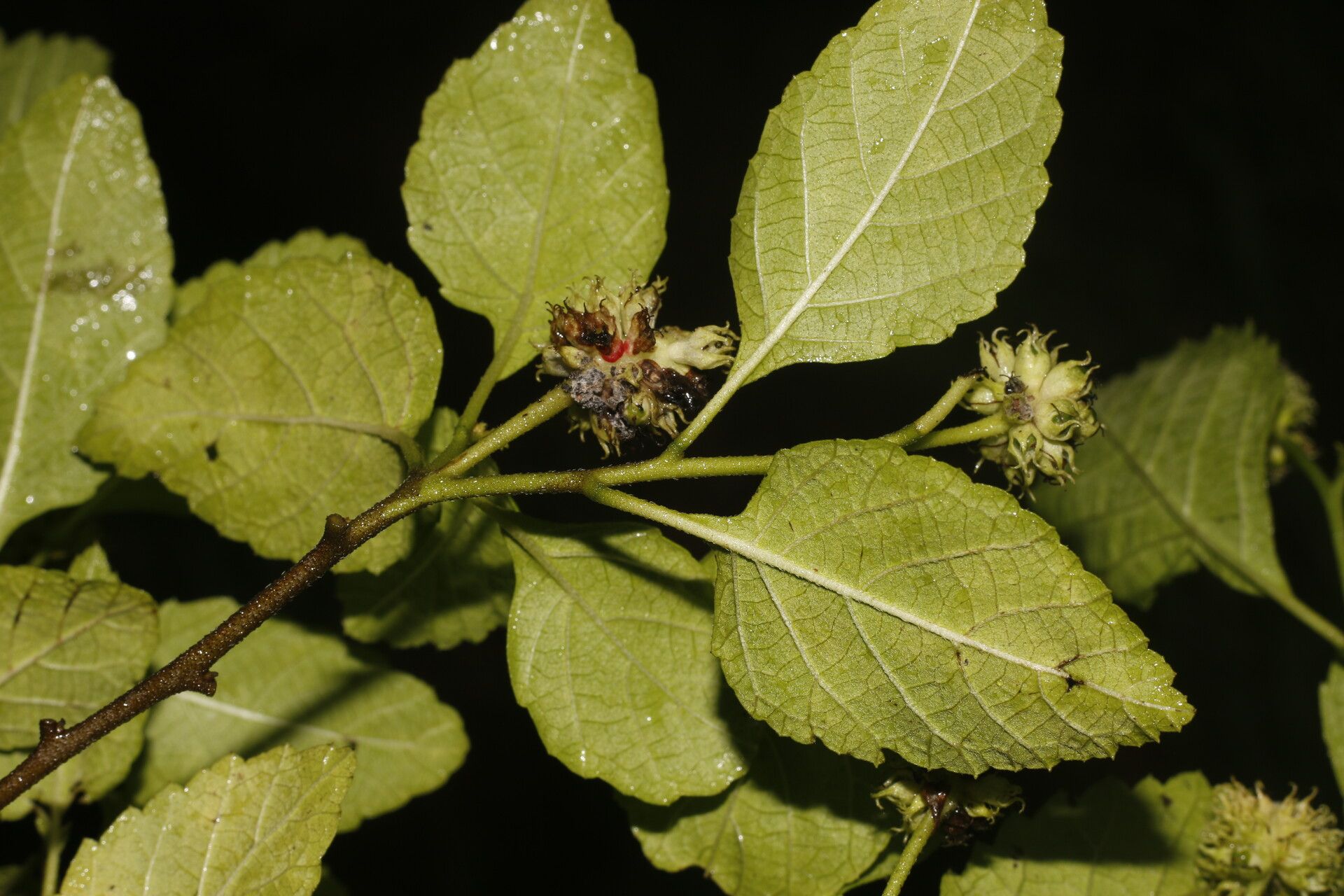
Oh, hello there! Come on in, grab a mug. Today, we’re going to chat about a plant I’ve grown to absolutely adore: Varronia bullata. You might know it by other names, but to me, it’s that wonderful shrub with its clusters of delightful flowers, often a vibrant yellow or orange, that just brings so much joy to the garden. It’s incredibly rewarding to be able to multiply these beauties, and guess what? It’s more approachable than you might think, even for those just dipping their toes into propagation.
The Best Time to Start
For Varronia bullata, you’ll find the most success if you take cuttings in late spring or early summer. This is when the plant is actively growing, and its stems are typically semi-hardwood. They’re not too soft and floppy, nor are they as tough and woody as they’ll be in the fall. This sweet spot gives them the best chance of rooting.
Supplies You’ll Need
Here’s what you’ll want to have on hand before we get our hands dirty:
- Sharp, clean pruning shears or a craft knife: Essential for making clean cuts.
- Rooting hormone (powder or gel): This is a game-changer for encouraging root development.
- A well-draining potting mix: I like a mix of equal parts peat moss or coco coir, perlite, and some coarse sand.
- Small pots or trays: Clean ones, please! Used pots can harbor disease.
- Plastic bags or a propagation dome: To create a humid environment.
- Spritzer bottle: For gentle watering.
- Optional: Bottom heat mat: If you have one, it can really speed things up.
Propagation Methods
We’ll focus on stem cuttings, which are quite effective for Varronia bullata.
- Select Your Stems: Look for healthy, current-season growth. You want stems that have started to firm up a bit but are still flexible. Aim for pieces about 4-6 inches long.
- Make the Cut: Using your sharp pruners or knife, make a clean cut just below a leaf node. This is where roots are most likely to form. Remove any flowers or flower buds; they just steal energy from root development. Strip off the lower leaves, leaving just a few at the very top.
- Apply Rooting Hormone: Dip the cut end of the stem into water, then swirl it in your rooting hormone to coat it well. Tap off any excess. This step is truly beneficial!
- Plant Your Cuttings: Fill your small pots with your prepared, moist potting mix. Make a hole with your finger or a pencil, and gently insert the cutting, ensuring the leaf nodes you cleared are below the soil surface. Firm the soil gently around the stem.
- Create a Humid Environment: Water the soil lightly with your spritzer. Then, cover the pots with a clear plastic bag or place them under a propagation dome. Make sure the leaves do not touch the sides of the plastic bag if possible, as this can invite rot.
- Provide Light and Warmth: Place your cuttings in a bright spot that gets indirect light. Avoid direct sun, which can scorch them. If you have a bottom heat mat, now’s the time to use it – it makes a huge difference in speeding up the rooting process.
The “Secret Sauce”
Here are a couple of tricks I’ve picked up over the years:
- One thing I always do is take more cuttings than I think I’ll need. Not every single one is going to make it, and that’s perfectly okay! This way, you’re practically guaranteed to get a few successful new plants.
- Don’t be tempted to overwater. The soil should be consistently moist, like a wrung-out sponge, but never soggy. Soggy conditions are an open invitation for fungal diseases, and nobody wants that!
Aftercare & Troubleshooting
Once your cuttings have been in the soil for a few weeks, you can gently tug on a stem. If you feel resistance, that’s a good sign roots have formed! You can then gradually acclimate them to lower humidity by opening the plastic bag a little more each day. Once they seem to be growing new leaves, they’re ready to be potted up into slightly larger individual pots.
The most common issue you might encounter is rot. If a cutting turns black and mushy, it’s likely rot. This usually stems from overwatering or poor air circulation. Unfortunately, there’s not much you can do once rot sets in, so focus on getting the watering and humidity right from the start. You might also see cuttings that just… don’t do anything. They’re not dying, but they aren’t rooting either. Sometimes, they just need more time, or perhaps the conditions weren’t quite right. Don’t get discouraged!
A Encouraging Closing
So there you have it. Propagating Varronia bullata is a journey, and like any good garden adventure, it’s about patience and observation. Enjoy the process of nurturing these little cuttings, and soon you’ll have even more of those gorgeous blooms to share or enjoy yourself. Happy gardening!
Resource:
https://identify.plantnet.org/k-world-flora/species/Varronia%20bullata%20L./data