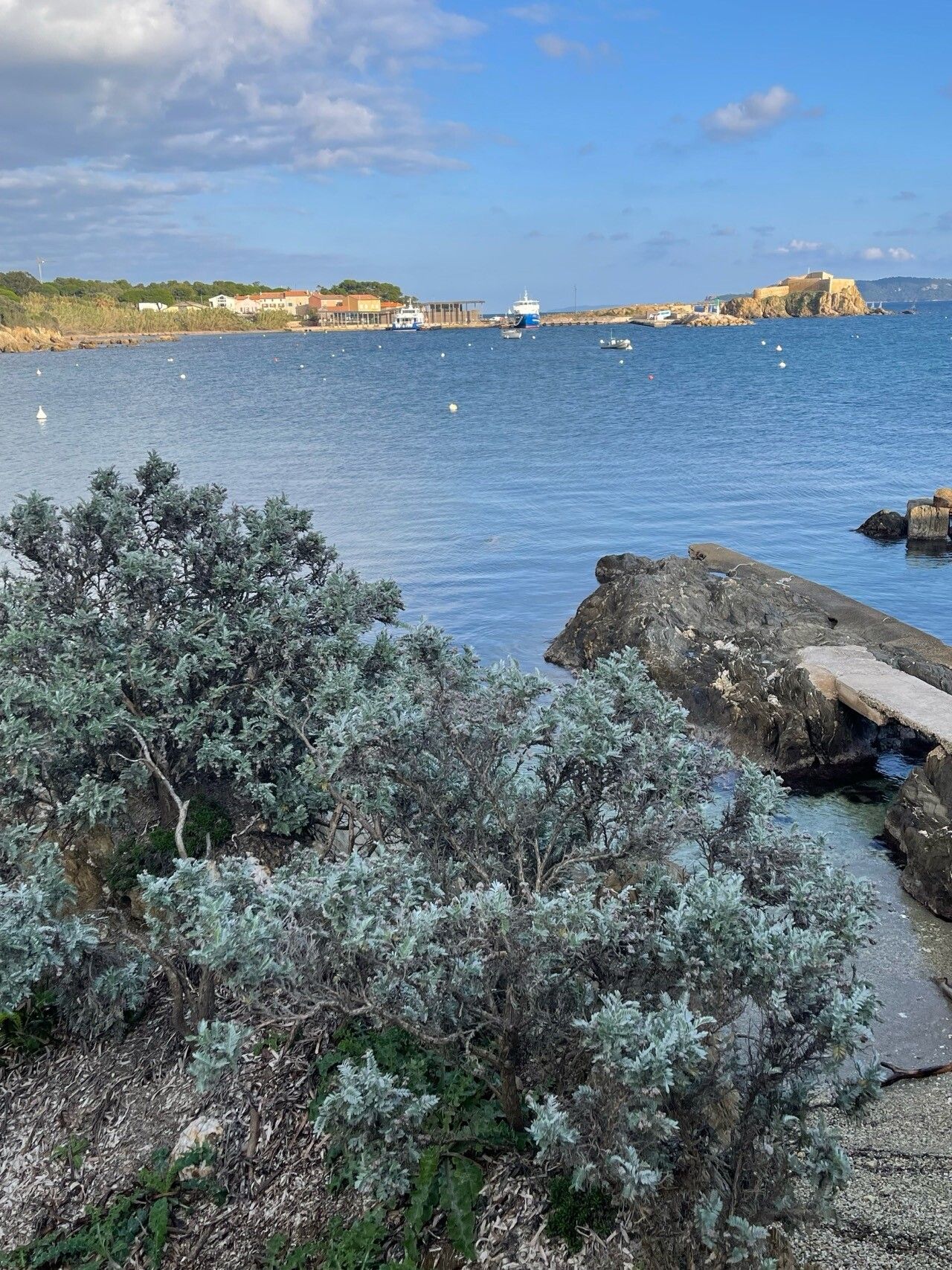
Oh, Anthyllis barba-jovis! Isn’t she a beauty? That silvery foliage just shimmers in the sun, and those lovely little pea-like flowers add such a touch of elegance to the garden landscape. Growing Mediterranean beauties like this always brings a smile to my face. If you’re looking to expand your collection of this charming shrub, or maybe share it with a fellow plant lover, propagating it yourself is incredibly rewarding. Now, let me be honest, Anthyllis barba-jovis can be a tad fussy about propagation compared to some of our more common garden staples. It’s not an absolute beginner-level plant, but with a little patience and the right approach, you can absolutely succeed.
The Best Time to Start
For Anthyllis barba-jovis, the sweet spot for taking cuttings is definitely late spring to early summer. You want to catch the plant when it’s actively growing, but before the new growth gets too woody. Think of it as grabbing a piece that’s got plenty of life and energy but isn’t so soft that it’s going to wilt at the slightest breeze. This is when the stems have the best chance of forming robust roots.
Supplies You’ll Need
Here’s a little checklist of what I like to have on hand:
- Sharp, clean pruning shears or a razor blade: Essential for making clean cuts that heal well.
- Rooting hormone: While not strictly mandatory, it really gives your cuttings a significant boost. I prefer the powder form for ease of use.
- A well-draining potting mix: A good blend for us is about 50% peat moss or coco coir and 50% perlite or coarse sand. This mimics the soil conditions it loves.
- Small pots or seedling trays: Clean ones are crucial to prevent disease.
- A propagation mat or a warm windowsill: Bottom heat can be a game-changer.
- A clear plastic bag or dome: This creates a mini-greenhouse effect to maintain humidity.
- A spray bottle: For gently misting the cuttings.
Propagation Methods
We’ll focus on the most reliable method for Anthyllis barba-jovis: stem cuttings.
- Gather Your Cuttings: With your clean shears, look for healthy, semi-hardwood stems. You’re aiming for pieces that are about 4-6 inches long. Snip just below a leaf node (where a leaf attaches to the stem). Remove any flowers or developing buds – they just take energy away from root formation.
- Prepare the Cuttings: Gently remove the lower leaves from the cutting, leaving just a few at the top. If the remaining leaves are quite large, you can even trim them in half horizontally. This reduces water loss through transpiration.
- Apply Rooting Hormone: Dip the cut end of the stem into your rooting hormone powder. Give it a gentle tap to shake off any excess.
- Plant Your Cuttings: Fill your pots or trays with your prepared potting mix. Make a small hole with a pencil or your finger. Insert the cutting into the hole, firming the soil gently around it. You can usually fit 2-3 cuttings per small pot, spaced a couple of inches apart.
- Create the Humid Environment: Water the soil gently. Then, cover the pots with a clear plastic bag or dome. You want to create a humid environment, but make sure the leaves don’t touch the plastic if possible. Secure the bag with a rubber band around the rim of the pot.
- Provide Warmth and Light: Place your potted cuttings in a bright location that receives indirect sunlight. If you have a propagation mat, place the pots on it. This gentle bottom heat is fantastic for encouraging root development.
The “Secret Sauce” (Pro Tips)
- Don’t be tempted to overwater that initial planting. You want the soil to be consistently moist, not soggy. Soggy soil is the express lane to rot for these Mediterranean natives.
- Consider taking more cuttings than you think you’ll need. Not every single one will take, and that’s perfectly normal. Better to have a few extra than to end up with none!
- If your humidity tent is prone to condensation dripping onto the leaves, tip the condensation out daily. Excess moisture sitting on the leaves can lead to fungal issues.
Aftercare & Troubleshooting
Once your cuttings have started to root – and this can take anywhere from 4 to 8 weeks, sometimes longer – you’ll begin to see new growth at the top. You might also notice a slight resistance when you gently tug on a cutting.
When roots have formed, it’s time to gradually acclimate them to drier conditions. Start by lifting the plastic bag for a few hours each day, then remove it completely over a few days. Continue to keep them in bright, indirect light and water when the top inch of soil feels dry. Once they are established and showing good growth, you can transplant them into individual pots using a regular good-quality potting mix.
The most common issue you’ll encounter is rot. If you see your cuttings turning black and mushy, it’s usually a sign of too much moisture and not enough air circulation. If this happens, try to rescue any healthy bits, and ensure you’re using that well-draining mix and being mindful of watering.
A Encouraging Closing
Propagating plants is a journey, and each one teaches us something new. Be patient with your Anthyllis barba-jovis cuttings; they’re working their magic underground. Enjoy the process, celebrate every little sign of success, and before you know it, you’ll have brand new silvery beauties to admire. Happy gardening!
Resource:
https://identify.plantnet.org/k-world-flora/species/Anthyllis%20barba-jovis%20L./data