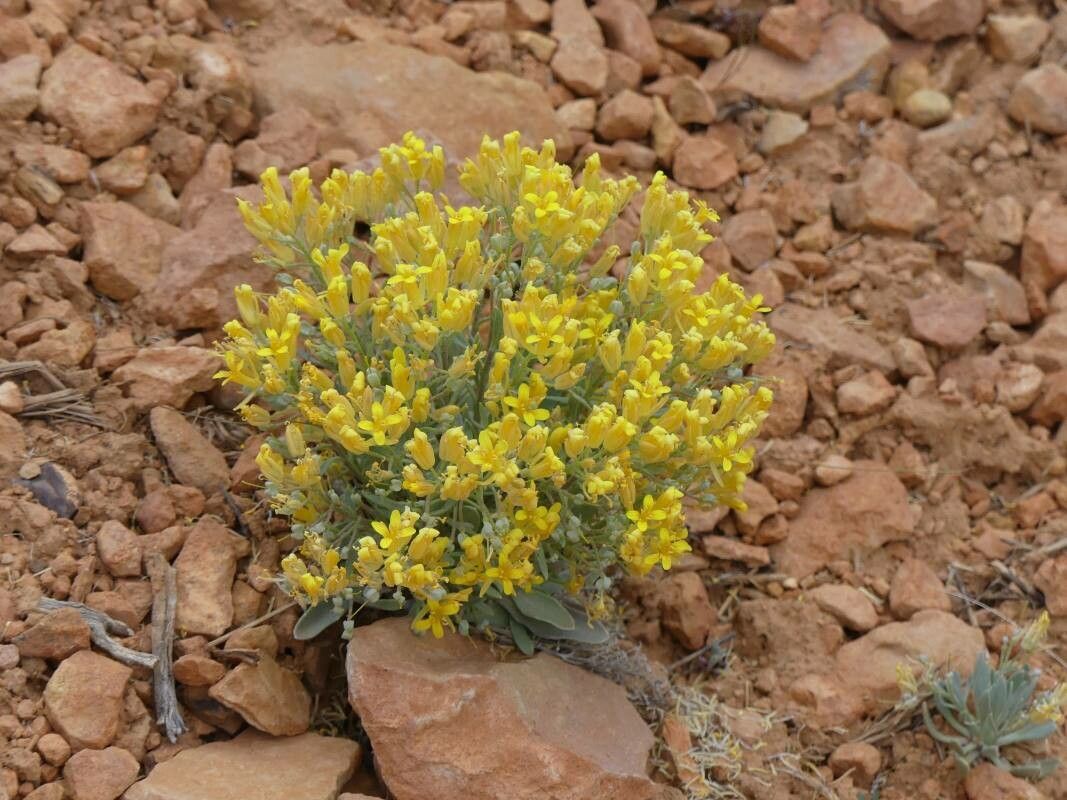
Hello, fellow garden enthusiasts! It’s so good to chat with you today. I wanted to share a little secret about one of my favorite native wildflowers: Physaria fendleri, often called Fendler’s bladderpod. If you’re looking for a plant that’s both beautiful and a joy to work with, this is it! Its cheerful yellow flowers and intriguing seed pods bring a unique charm to any garden. And the best part? Propagating it is a wonderfully rewarding experience, though I’ll be honest, it’s a little bit of a patient game, especially for absolute beginners. But don’t let that deter you!
The Best Time to Start
The sweet spot for propagating Physaria fendleri is late spring to early summer. This is when the plant is actively growing and has plenty of energy to put into new root development. You’re looking for young, vigorous stems that haven’t yet flowered or set seed. Think of it as capturing that youthful exuberance!
Supplies You’ll Need
To give your Physaria fendleri the best start, gather these essentials:
- Sharp, clean pruning shears or a sharp knife: For making clean cuts.
- Light, well-draining potting mix: A blend of perlite, vermiculite, and a bit of compost works wonders. Avoid heavy garden soil.
- Small pots or seed trays: With drainage holes, of course!
- Rooting hormone (optional but helpful): A powder or gel can give your cuttings a nice boost.
- Plastic bags or dome covers: To create a humid environment.
- A watering can with a fine rose or spray bottle: For gentle watering.
- A dibber or pencil: To create holes in the soil for cuttings.
- Bottom heat (optional but highly recommended): A heat mat can significantly speed up rooting.
Propagation Methods
Let’s get our hands dirty! Here are a couple of tried-and-true methods for coaxing new Physaria fendleri plants into existence:
Stem Cuttings: My Go-To Method
This is my absolute favorite way to multiply my bladderpods.
- Select Your Cuttings: Find a healthy, non-flowering stem. You want it to be about 4-6 inches long.
- Make the Cut: Using your clean pruners, make a slanted cut just below a leaf node (where a leaf attaches to the stem). This is where the magic happens, as roots are most likely to form.
- Prepare the Cutting: Gently remove the lower leaves. You want to expose a few leaf nodes down the stem so they can start rooting. Leave 2-3 sets of leaves at the top to help with photosynthesis.
- Apply Rooting Hormone (Optional): If you’re using rooting hormone, dip the cut end of the stem into the powder or gel. Tap off any excess.
- Plant the Cutting: Make a hole in your prepared potting mix with a dibber or pencil. Insert the cutting deep enough so that at least one leaf node is buried under the soil. Gently firm the soil around the stem.
- Create Humidity: Water the soil gently. Then, cover the pot or tray with a plastic bag or a clear dome to create a mini-greenhouse. Make sure the leaves aren’t touching the plastic if possible.
- Find the Right Spot: Place the pots in a bright location, but out of direct, intense sunlight. They like warmth, so if you have that optional heat mat, this is where it shines!
Division: For the Established Gardeners
If you already have a mature Physaria fendleri plant that’s getting a bit crowded, division is a fantastic option.
- When to Divide: The best time is in early spring before new growth really takes off, or in the fall after the flowering season has ended.
- Gently Excavate: Carefully dig up the entire plant. Try to disturb the root ball as little as possible.
- Examine the Roots: You’ll see that the plant is likely made up of several smaller crowns, each with its own set of roots.
- Separate the Divisions: Using your hands or a clean trowel, gently pull or cut apart the plant into sections. Ensure each division has a good amount of healthy roots and at least one viable bud or crown.
- Replant Immediately: Plant each division into its own pot filled with your well-draining potting mix. Water gently.
The “Secret Sauce” (Pro Tips)
Here are a couple of things I’ve learned over the years that really make a difference for Physaria fendleri:
- “Air Layering” for Tricky Cuttings: If you find your cuttings are struggling to root, try a technique called air layering on a stem still attached to the parent plant. Make a small slit on a lower stem, insert a tiny piece of moss or a pebble to keep it open, wrap it with moist sphagnum moss, and then cover the whole thing with plastic wrap and tape. Roots will form within the moss, and once they’re substantial, you can cut the stem below the rooted section and pot it up.
- Don’t Over-Water, Even with Humidity: While Physaria fendleri needs consistent moisture and humidity to root, it absolutely hates sitting in soggy soil. Overwatering is the fastest way to invite rot. My trick is to check the moisture level by gently poking a finger into the soil. If it feels dry an inch down, then it’s time to water.
Aftercare & Troubleshooting
Once you see those first signs of new growth peeking out from your cuttings or divisions, it’s time for a little pampering.
- Gradual Acclimation: If you used a plastic bag or dome, gradually introduce your new plants to the drier air indoors over a few days. Start by opening a small vent, then a larger one, and eventually remove the cover entirely.
- Keep Them Comfortable: Continue to provide bright, indirect light and consistent moisture.
- Transplanting: Once your new plants have a robust root system (you’ll see roots coming out of the drainage holes), you can transplant them into slightly larger pots or directly into your garden (once all danger of frost has passed and they’ve been hardened off).
Now, what if things don’t go as planned? The most common culprit is rot. You’ll notice a stem turning brown and mushy, often near the soil line. This is usually a sign of too much moisture and not enough air circulation. If you see this, sadly, that cutting is likely lost. Don’t get discouraged! Just start over, perhaps with a slightly less wet soil mix or shorter watering intervals. Sometimes, cuttings simply fail to root. It happens to all of us! It just means that particular plant or cutting wasn’t quite ready.
A Encouraging Closing
Propagating Physaria fendleri is a journey, and like all good gardening adventures, it requires a touch of patience and a whole lot of love. Enjoy the process of watching those tiny roots develop and new life emerge. Each successful new plant is a testament to your green thumb and a wonderful way to share the beauty of this plant with your garden, or even with friends! Happy propagating!
Resource: