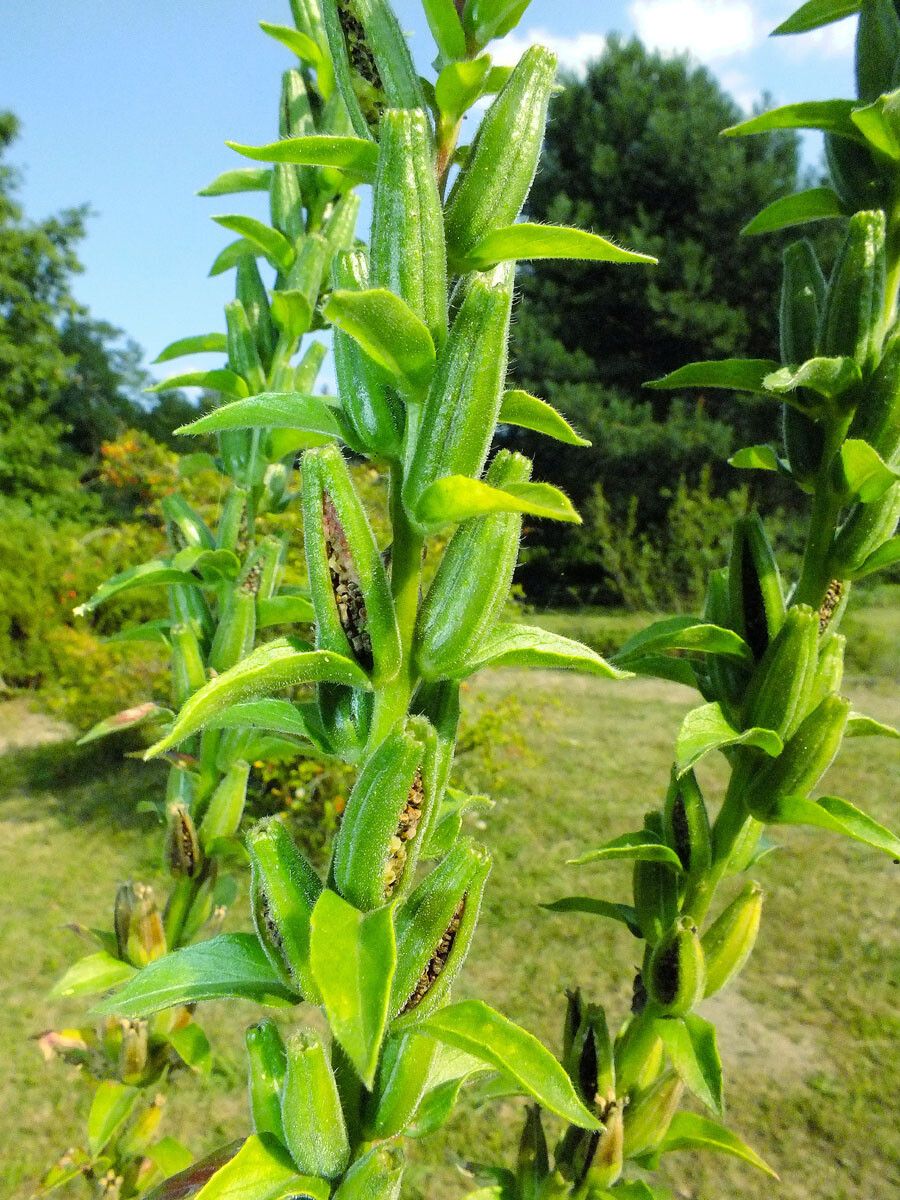
Hello, fellow plant enthusiasts! Today, I want to chat about a real garden charmer: Oenothera glazioviana, or Evening Primrose, as it’s affectionately known. These beauties, with their vibrant yellow blooms that unfurl in the late afternoon and evening, are a joy to behold. They bring a touch of magic to any garden, especially those twilight strolls. Propagating them yourself? It’s incredibly rewarding, and honestly, a lot easier than you might think. Beginners, you’re in luck – this is a wonderfully forgiving plant to start with!
The Best Time to Start
For the highest success rate with Oenothera glazioviana, I always recommend starting in late spring or early summer. This is when the plant is actively growing and has plenty of energy to put into new roots. You can take cuttings from healthy, non-flowering shoots, or if you have established plants, you can divide them when they’re just starting to wake up in the spring.
Supplies You’ll Need
Here’s what I like to have on hand:
- Sterile potting mix: A good blend for cuttings is a 2:1 ratio of perlite to peat moss or coco coir. For divisions, a quality all-purpose potting soil works well.
- Sharp, clean pruning shears or a sharp knife: Essential for making clean cuts.
- Rooting hormone (optional but recommended): A powder like Rhizopon or a liquid solution can give cuttings an extra boost.
- Small pots or seedling trays: With drainage holes, of course.
- Plastic bags or a propagator: To create a humid environment for cuttings.
- A watering can or spray bottle: For gentle watering.
- Labels and a marker: To keep track of your efforts!
Propagation Methods
Let’s dive into the ways you can bring more of these sunny delights into your garden.
Stem Cuttings
This is my go-to method for a quick boost of evening primroses.
- Select your parent plant: Find a healthy, vigorous Oenothera glazioviana that isn’t currently flowering.
- Take cuttings: Using your clean shears, snip a piece of stem that’s about 4-6 inches long. Look for stems that are firm but not woody. Make your cut just below a leaf node (where a leaf attaches to the stem).
- Prepare the cuttings: Gently remove the lower leaves, leaving just a couple at the very top. If you’re using rooting hormone, dip the cut end into it, tapping off any excess.
- Pot them up: Fill your small pots with the sterile perlite-peat mix. Make a small hole with a pencil or your finger and insert the cutting, firming the soil around it.
- Create humidity: Water the soil gently. Cover the pots with a clear plastic bag or place them in a propagator. This keeps the humidity high, which is crucial for encouraging root development.
Division
If you have a mature clump of Oenothera glazioviana, dividing it is a fantastic way to rejuvenate the plant and get multiple new ones.
- Dig up the plant: In early spring, before it gets too large, carefully dig around the base of the plant and lift the entire clump out of the ground.
- Shake off excess soil: Gently remove as much soil as you can.
- Separate the sections: You should be able to see where the plant naturally divides. Use your hands or a clean spade to carefully pull or cut the clump into smaller sections. Each section should have a good amount of roots and at least one strong shoot.
- Replant: Immediately replant the divisions into their new spots in the garden or into pots filled with good potting soil. Water them in well.
The “Secret Sauce” (Pro Tips)
Okay, here are a couple of little tricks I’ve learned over the years that make a difference:
- When propagating from cuttings, avoid letting the leaves touch the water. If you’re using a propagator with a water tray, make sure the leaves of your cuttings stay above the waterline. This prevents rot before roots even have a chance to form.
- For stem cuttings, a little warmth from below can work wonders. If you have a heat mat designed for seedlings, placing your pots on it can really speed up root formation. It creates that cozy environment plants love for setting up shop underground.
Aftercare & Troubleshooting
Once your cuttings have taken root (you can test this gently by giving the stem a very light tug – if there’s resistance, you’ve got roots!), or your divisions are planted, it’s time for a little TLC.
Continue to keep the soil moist but not soggy. For cuttings, slowly acclimate them to outdoor conditions by opening the plastic bag gradually over a week or so. Once they look strong and established, you can transplant them into larger pots or their final garden locations.
Now, what if things don’t go quite as planned? The most common culprit is rot. If your cuttings turn mushy and black at the base, or if established divisions wilt dramatically despite being watered, it’s usually a sign of too much moisture and poor air circulation. Make sure your pots have good drainage and consider using a lighter potting mix if rot is a persistent issue. Don’t be discouraged if a few don’t make it; it happens to all of us, even seasoned gardeners!
A Encouraging Closing
Propagating Oenothera glazioviana is a wonderfully accessible way to expand your garden and share these cheerful blooms with friends. Be patient, observe your plants, and trust the process. There’s a real satisfaction in nurturing a new life from a small cutting or a divided root. Happy propagating!
Resource:
https://identify.plantnet.org/k-world-flora/species/Oenothera%20glazioviana%20Micheli/data