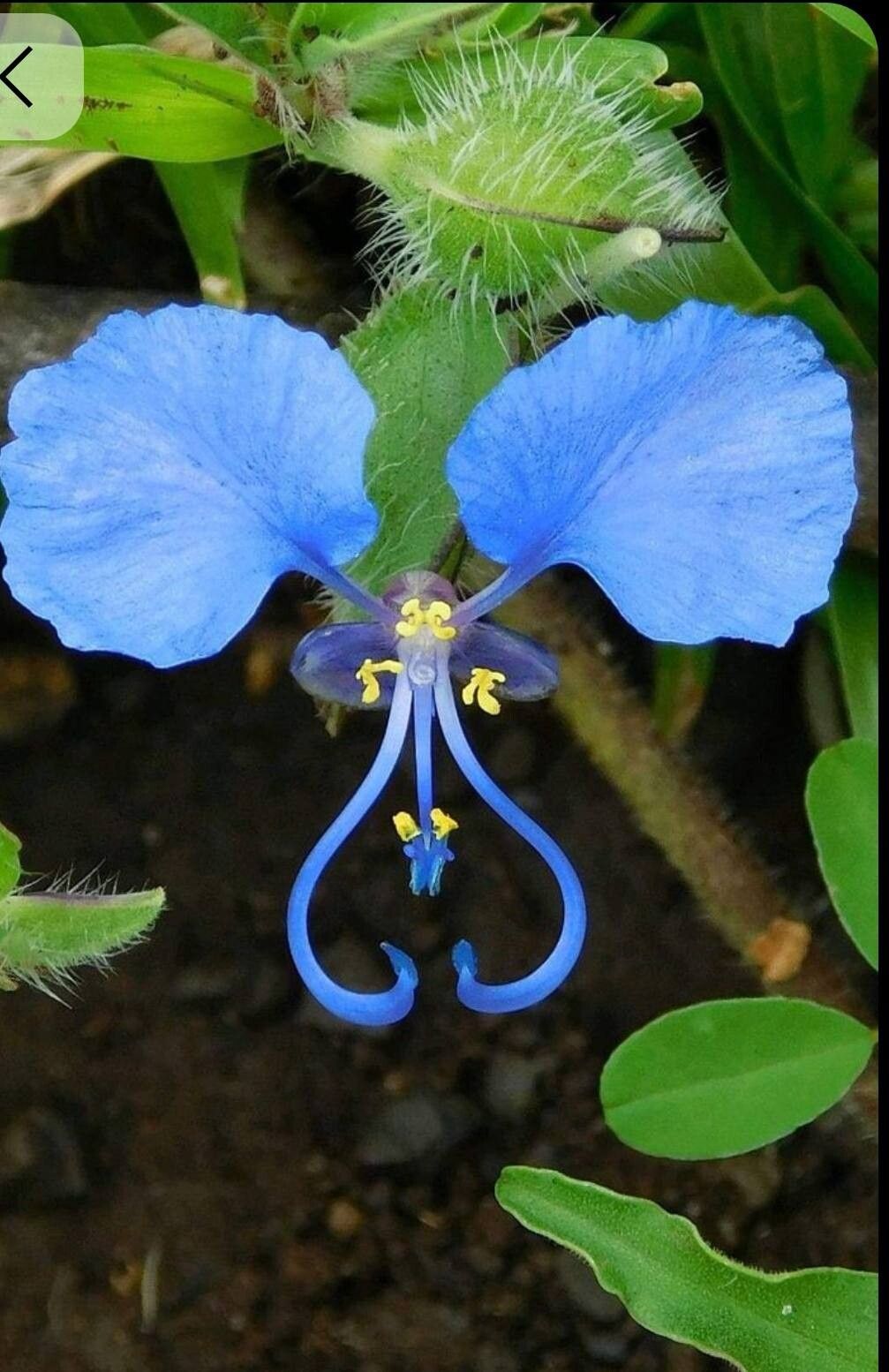
Hello there, fellow plant enthusiasts!
Today, we’re diving into the wonderfully easy world of Commelina forskaolii, also commonly known as the Blue Spiderwort or often just “Commelina.” If you’re looking for a plant that bursts with vibrant blue flowers and is a joy to multiply, you’ve found your match. Propagating Commelina is one of those satisfying tasks that makes you feel like a garden wizard, even if you’re just starting out. Seriously, if you’re new to the plant propagation game, Commelina is a fantastic place to begin. It’s incredibly forgiving and generous with its babies.
The Best Time to Start
When it comes to getting the most bang for your propagation buck with Commelina, I always lean towards the late spring and early summer. This is when the plant is in its full growth spurt, meaning it has plenty of energy to dedicate to new roots and shoots. You can also have success in early fall, as long as you get your cuttings rooted before the cooler weather really sets in.
Supplies You’ll Need
You don’t need a whole lot of fancy gear for this. Here’s what I usually grab from my gardening shed:
- Sharp pruning shears or scissors: For clean cuts that heal well.
- Small pots or propagation trays: Anything that can hold your cuttings and soil.
- Well-draining potting mix: A standard peat-based mix with added perlite or sand works beautifully. You want it moist but not soggy.
- Watering can or misting bottle: For gentle watering.
- (Optional) Rooting hormone: While not strictly necessary for Commelina, it can give a little extra boost.
- (Optional) Clear plastic bag or humidity dome: To create a mini-greenhouse effect.
Propagation Methods
Commelina is a generous plant, and thankfully, it’s pretty flexible on how you multiply it. Here are my go-to methods:
1. Stem Cuttings: The Speedy Gonzales
This is my absolute favorite way to get more Commelina. It’s quick, reliable, and you can get a surprising number of plants from just one mature specimen.
- Find a healthy stem. Look for a nice, long stem that’s actively growing. Avoid anything that looks woody or old.
- Make your cut. Using your sharp pruning shears, cut a section of the stem that’s about 4-6 inches long. I like to make my cut just below a leaf node (where a leaf attaches to the stem).
- Prepare the cutting. Gently remove any leaves from the bottom half of the cutting. If your cutting is really long, you can even cut it into smaller sections, as long as each section has at least one leaf node.
- Dip (optional). If you’re using rooting hormone, dip the cut end into it.
- Plant it up. Fill your small pots or trays with your prepared potting mix. Make a little hole with your finger or a pencil and gently insert the cut end of the stem into the soil, burying at least one leaf node.
- Water gently. Water the soil well, but avoid waterlogging.
2. Water Propagation: Watching the Magic Happen
This is a fun one because you can literally watch the roots emerge!
- Take your cutting. Follow steps 1-3 from the Stem Cuttings method.
- Place in water. Fill a clean jar or glass with room temperature water. Place your cuttings in the water, ensuring that the leaf nodes you removed the leaves from are submerged.
- Change the water regularly. Every few days, change out the water to keep it fresh and prevent bacterial growth.
- Wait for roots! In a week or two, you should start seeing tiny white roots emerging from the nodes. Once the roots are about an inch long, it’s time to pot them up.
3. Division: The Established Plant’s Gift
If you have a well-established Commelina plant that’s getting a bit crowded, division is another excellent option.
- Remove the plant from its pot. Gently ease the entire root ball out.
- Inspect the root ball. You’ll likely see distinct clumps of growth.
- Gently tease apart the clumps. You can use your hands to do this, or if it’s quite dense, you might need to use a clean knife or trowel to help separate the sections. Make sure each section has a good amount of root attached to it.
- Pot up the divisions. Plant each section into its own pot with fresh, well-draining soil. Water them in well.
The “Secret Sauce” (Pro Tips)
Having done this a time or two (or twenty!), I’ve picked up a few little tricks that really help.
- Bottom Heat is Your Friend: If you’re using stem cuttings and want to speed things up, popping your pots on a gentle heating mat can make a huge difference. It encourages quicker root development from the soil side.
- Don’t Drown Your Cuttings in Water Propagation: When you’re doing water propagation, make sure no leaves are submerged in the water. Leaves sitting in water are prone to rotting, and you want that energy going into root development!
- Don’t Be Afraid to Mist: Commelina loves a bit of humidity. If your environment is dry, lightly misting your cuttings once or twice a day (especially if they are under a plastic bag) can prevent them from drying out before they’ve had a chance to root.
Aftercare & Troubleshooting
Once those little roots start to appear, it’s like watching a miracle unfold!
- Transplanting: For water-propagated cuttings, wait until the roots are at least an inch long before carefully transplanting them into pots filled with your well-draining potting mix. For cuttings planted directly into soil, you’ll know they’ve rooted when you start to see new, vigorous growth. You can gently tug on them; if there’s resistance, they’ve likely rooted.
- Watering: Continue to keep the soil lightly moist but not waterlogged. As the plant matures, it will become more drought-tolerant, but for young plants, consistent moisture is key.
- Light: Place your newly rooted cuttings in a location that receives bright, indirect light. Avoid direct, harsh sunlight, especially as they are still establishing themselves.
- Common Problems: The most common issue you’ll encounter is rot. This usually happens if the soil is too wet or if you’re propagating in water and the leaves are submerged. If you see a cutting turn black and mushy, unfortunately, it’s best to discard it and try again. Overwatering once plants are potted is another culprit for yellowing leaves and wilting.
Happy propagating! Remember, gardening is all about patience and observation. Don’t be discouraged if a cutting doesn’t make it – there’s always next time. Enjoy the process of watching new life sprout from your efforts. You’ve got this!
Resource:
https://identify.plantnet.org/k-world-flora/species/Commelina%20forskaolii%20Vahl/data