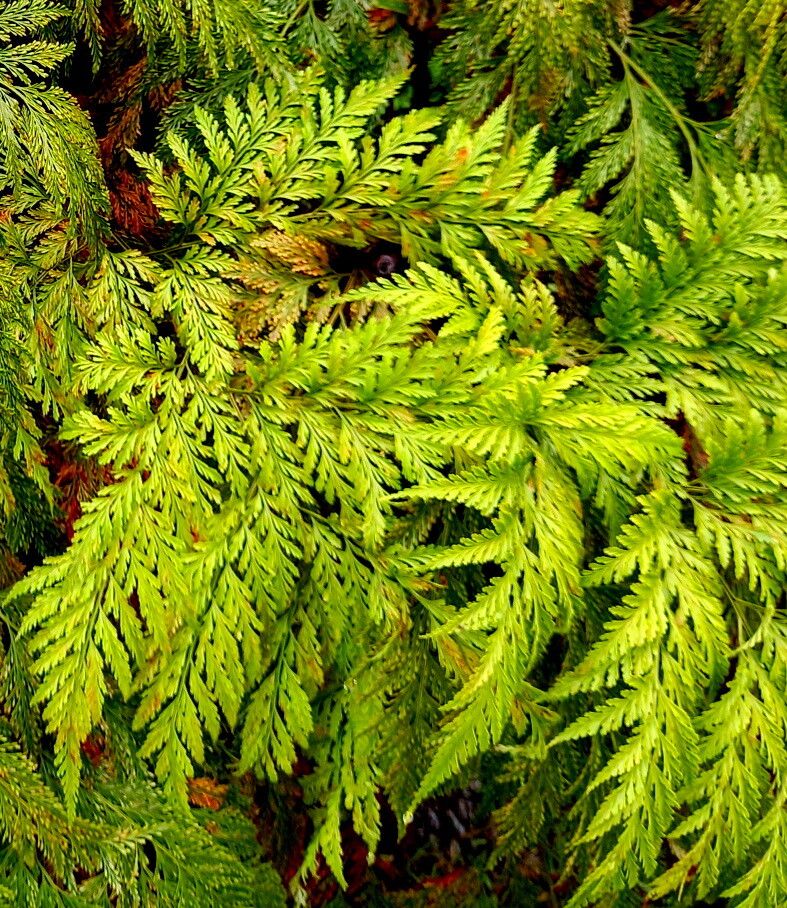
Oh, Davallia solida! My dear fern-loving friends, if you’ve ever seen those wonderfully shaggy, fuzzy rhizomes creeping over the edge of a pot, you know exactly what I’m talking about. Davallia solida, often called the Rabbit’s Foot Fern, is just pure charm. Its delicate, lacy fronds are lovely enough, but those furry rhizomes? They’re just a delight. Propagating them is a truly rewarding way to share the green goodness or just expand your own collection. And the good news? It’s quite manageable, even for those of you just dipping your toes into the wonderful world of plant propagation.
The Best Time to Start
For Davallia solida, I find the spring is your golden ticket. As the days get longer and the plant really starts to wake up from its winter slumber, it has the most energy to dedicate to putting down new roots. You’ll want to look for active growth – you know, visibly new fronds unfurling and those fuzzy rhizomes making a bit of forward progress. Don’t try to propagate during the deep chill of winter; the plant will be too slow to rebound.
Supplies You’ll Need
Before we dive in, let’s gather our tools. You’ll find it makes the whole process smoother:
- Sharp Pruning Shears or a Clean Knife: For making clean cuts is crucial.
- A Good Potting Mix: I like a mix that offers excellent drainage. A blend of peat moss, perlite, and a bit of orchid bark works beautifully. You don’t want anything that stays soggy.
- Small Pots or Seedling Trays: For your new propagations to get started.
- Rooting Hormone (Optional but helpful): Especially if you’re dividing larger sections or feel your plant is a bit slow to root.
- A Watering Can with a Fine Rose: For gentle watering.
- A Plastic Bag or Propagator: To create a humid environment.
- Perlite or Small Pebbles (for water propagation): To help support the rhizome.
Propagation Methods
Davallia solida is most commonly and successfully propagated by division or by using pieces of its amazing rhizomes.
Propagation by Rhizome Cuttings
This is where the magic really happens with Davallia! Those fuzzy rhizomes are your treasure.
- Gently Remove the Plant: Take your Davallia solida out of its pot. You might need to loosen the soil around the edges.
- Inspect the Rhizomes: Look for healthy, firm rhizomes that are actively growing outwards. You want pieces that are at least a couple of inches long, and ideally, have a developing frond or at least a growth bud.
- Make the Cut: Using your sharp pruning shears or knife, carefully cut a section of the rhizome. Try to get a piece that has at least one or two nodes (where fronds emerge). If you’re using rooting hormone, dip the cut end into it now, tapping off any excess.
- Planting the Cuttings: Fill your small pots or seedling trays with your well-draining potting mix. Make a little trench in the soil and lay the rhizome cutting on its side, burying it just enough so it’s snug. The actively growing tip should be pointing upwards, or at least not buried too deeply. Make sure any nodes are near the surface.
- Water and Cover: Water gently. Then, cover the pot with a clear plastic bag or place it in a propagator. This is key for maintaining humidity.
Propagation by Division
This is really straightforward and works well if your plant has become quite full.
- Gently Remove and Clean: Similar to above, take your plant out of its pot. Gently brush away some of the excess soil so you can see where the rhizome naturally wants to divide.
- Separate the Sections: Look for natural breaks in the rhizome system. You want to divide the plant into sections that have a good amount of roots and at least one healthy-looking rhizome with a growth bud. You might be able to gently pull them apart, or you may need to use your clean knife to make a careful cut through the rhizome to separate them.
- Potting Up: Pot each division into its own pot with your well-draining mix, ensuring the rhizomes are just slightly covered with soil.
- Water and Mist: Water thoroughly and keep the soil consistently moist but not waterlogged.
The “Secret Sauce”
Here are a couple of my go-to tricks for Davallia propagation:
- Warmth is Your Friend: Davallia really thrives on a little warmth. If you can, place your pots on a heat mat designed for propagation. Even a slightly warmer spot in your home, away from drafts, can make a big difference in encouraging those rhizomes to get moving.
- Don’t Overthink the Water: When I say “moist,” I mean it. But avoid soggy soil at all costs. Overwatering is the quickest way to invite rot. I often check the moisture by gently pressing my finger into the soil. If it feels dry about an inch down, it’s time for a light watering. Misting the foliage regularly while it’s under the plastic bag is also a good idea to keep things humid without flooding the pot.
Aftercare & Troubleshooting
Once your cuttings are planted, patience is your best virtue. Keep them in that humid environment. You should start seeing new fronds unfurling within a few weeks to a couple of months. When you see consistent new growth and feel a good bit of resistance when you gently tug (don’t yank!), your plant has established roots. At this point, you can gradually remove the plastic bag, introducing it to the ambient humidity of your home over a week or so.
The most common issue you’ll face is rot. If your rhizome cutting turns mushy, dark, or starts to smell unpleasant, it’s likely rotted. This usually means its environment was too wet, or perhaps the rhizome was already compromised. If you see a little bit of rot on a larger division, you can try to cut away the rotted section with your sterilized knife and dust the wound with cinnamon, which has some natural antifungal properties. Then, let it air dry for a day or two before repotting.
A Encouraging Closing
Propagating Davallia solida is a wonderfully tangible way to connect with your plants. It’s a process of nurturing and growth, and watching those fuzzy rhizomes sprout new life is incredibly satisfying. Don’t get discouraged if not every single cutting takes; it’s all part of the learning curve. Just keep observing, keep experimenting, and most importantly, enjoy the journey of growing more of these delightful ferns! Happy propagating!
Resource:
https://identify.plantnet.org/k-world-flora/species/Davallia%20solida%20(G.Forst.)%20Sw./data