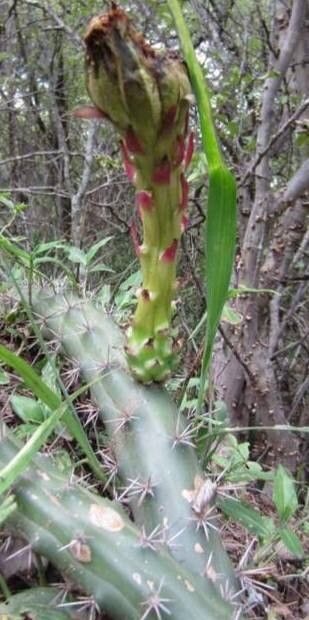
Hello, fellow plant lovers! Today, we’re diving into the wonderful world of propagating Praecereus euchlorus. This cactus, with its striking architectural form and vibrant green stems, is a real showstopper. If you’ve ever admired its sculptural beauty, you’ll be delighted to know you can create more of these garden gems yourself! It’s a particularly rewarding process, turning a single plant into a small army of its kind.
Now, I know some cacti can feel a bit intimidating, but I’m happy to tell you that Praecereus euchlorus is actually quite forgiving. For beginners, this is a great plant to start your propagation journey with. You’ll likely have success with a few simple techniques.
The Best Time to Start
The absolute best time to propagate Praecereus euchlorus is during its active growing season. For most of us, this means late spring through summer. You’ll notice the plant is actively producing new growth, and its energy is focused on expansion. This is when cuttings will have the best chance of rooting quickly. Avoid trying to propagate during its dormant period in winter; you’ll likely end up with disappointed wilted stems instead of happy new roots.
Supplies You’ll Need
Gathering your tools before you begin makes the whole process much smoother. Here’s what I usually have on hand:
- Sharp, clean pruning shears or a knife: For making clean cuts, which helps prevent disease.
- Rooting hormone (optional but recommended): This can give your cuttings a helpful boost. I like to use a powdered form.
- Well-draining potting mix: A gritty cactus/succulent mix is ideal. You can also make your own by combining potting soil with perlite or pumice in a 1:1 ratio.
- Pots or containers: Small terracotta pots or even plastic ones with drainage holes work perfectly.
- Watering can or spray bottle: For gentle watering.
- Newspaper or paper towels: To blot any sap from cuttings.
Propagation Methods
Praecereus euchlorus is primarily propagated through stem cuttings. It’s straightforward and effective.
Stem Cuttings:
- Select your parent plant: Choose a healthy, mature Praecereus euchlorus. Look for a stem that’s firm and has good color.
- Make the cut: Using your clean pruning shears or knife, make a clean cut to remove a section of stem. Aim for a cutting that’s several inches long. You’ll want to make the cut at a point where the stem feels firm.
- Allow it to callous: This is a CRUCIAL step for cacti. Place the cutting in a warm, dry, well-ventilated spot for several days, even up to a week or two. You’ll see the cut end dry out and form a protective callus. This prevents rot when you plant it.
- Apply rooting hormone (optional): Once the callus has formed, you can dip the calloused end into rooting hormone powder, tapping off any excess.
- Plant the cutting: Fill your chosen pot with the well-draining potting mix. Make a small hole in the center with your finger or a pencil.
- Insert the cutting: Gently push the calloused end of the cutting into the hole. It should stand upright without support.
- Watering: Wait a few days to a week after planting before watering. When you do water, do so sparingly. You want the soil to be barely moist.
The “Secret Sauce” (Pro Tips)
Here are a couple of things I’ve learned along the way that really make a difference:
- Think “dry feet”: When I first started, I was a bit too eager with the watering. Cacti hate sitting in soggy soil, and it’s the quickest way to invite rot. Err on the side of underwatering rather than overwatering, especially in the initial rooting phase. The callus is your best defense here.
- Embrace the warmth: While we want to avoid direct, scorching sun for cuttings, providing a bit of warmth can really speed up rooting. If you have a warm spot indoors, perhaps near a sunny window but out of intense midday sun, that’s perfect. Some people even use a seedling heat mat on a very low setting.
Aftercare & Troubleshooting
Once your cutting has been planted and you’ve started watering sparingly, it’s time for patience. You won’t see visible roots immediately.
- Checking for roots: After a few weeks to a couple of months, you can gently tug on the cutting. If you feel resistance, congratulations! You have roots. You can also look for new growth emerging from the top – that’s another sure sign.
- Watering established roots: Once roots have formed, you can gradually increase watering frequency, but always allow the soil to dry out completely between waterings.
- Signs of failure: The most common problem is rot. If the stem cutting turns mushy, black, or develops a foul smell, it’s likely rotted. This usually happens if the cutting didn’t callous properly or if it was kept too wet. Unfortunately, a rotted cutting cannot be saved, but you can learn from it and try again with a fresh cutting.
So there you have it! Propagating Praecereus euchlorus is a rewarding way to expand your collection and share your love of plants. Be patient, trust the process, and enjoy watching your new cacti grow. Happy propagating!
Resource: