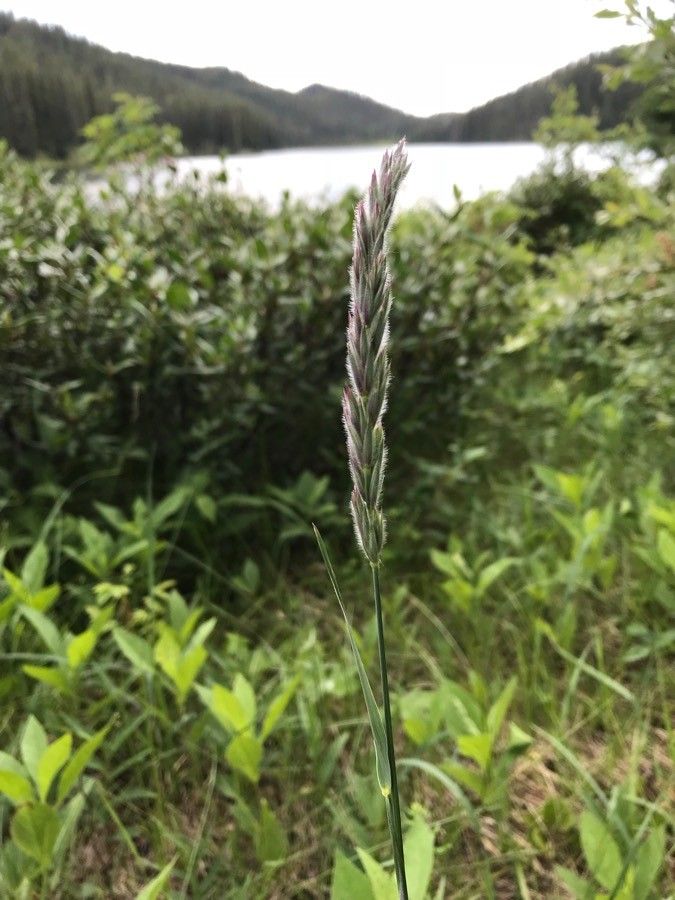
Hello, fellow plant enthusiasts! Today, we’re diving into the wonderful world of Leymus innovatus, also known as the Inland Silver Band Grass. If you’re looking for a striking, low-maintenance grass that adds a touch of silver elegance to your garden, you’ve found a winner. Its graceful, arching foliage and subtle beauty make it a real showstopper. And the best part? Propagating it is a truly rewarding experience, allowing you to expand your collection or share these beauties with friends. Don’t be intimidated if you’re new to propagation; Leymus innovatus is quite forgiving, making it a great choice for beginners looking to test their green thumb.
The Best Time to Start
For the highest success rate with Leymus innovatus, I’ve found that early spring is your golden ticket. This is when the plant is just shaking off its winter slumber and gearing up for vigorous new growth. Starting during this period gives your new cuttings or divisions ample time to establish before the heat of summer or the chill of autumn. You can often also get away with propagating them in late summer, though I often find the spring shoots are just a tad more robust.
Supplies You’ll Need
Before we get our hands dirty, let’s gather our arsenal:
- Sharp Pruning Shears or a Clean Knife: For making clean cuts.
- Rooting Hormone (Optional but Recommended): A powder or gel to encourage root development.
- Well-Draining Potting Mix: A blend of perlite, coarse sand, and a good quality potting soil works wonders. You want something airy!
- Small Pots or Seed Trays: With drainage holes, of course!
- Watering Can or Spray Bottle: For gentle hydration.
- Clear Plastic Bags or Domes: To create a humid environment.
- Labels and a Marker: To keep track of your precious propagations.
Propagation Methods
Leymus innovatus is primarily propagated through division. This is the most straightforward and successful method for this grass.
Method: Division
- Prepare Your Tools: Make sure your pruning shears or knife are clean. This helps prevent the spread of diseases.
- Excavate Gently: In early spring, carefully dig up the entire Leymus innovatus clump. I like to use a garden fork for this, gently loosening the soil around the root ball. Try not to damage the roots too much.
- Assess the Clump: Once out of the ground, you’ll see the mature plant has multiple shoots originating from a central root system.
- Divide with Care: This is where a sharp tool comes in handy. You can physically pull the clump apart with your hands if it’s loose enough, or use your shears/knife to cut through the rhizomes and roots. Aim to create sections that have at least 2-3 healthy shoots and plenty of root mass.
- Trim Excess Foliage (Optional): If the foliage is very long or damaged, you can trim it back by about a third. This helps the division focus its energy on root establishment.
- Plant Your Divisions: Immediately pot each division into your well-draining potting mix. Ensure the crown (where the shoots emerge from the roots) is at soil level. Water gently but thoroughly.
The “Secret Sauce” (Pro Tips)
Here are a few things I’ve learned over the years that can really give your Leymus innovatus propagations a boost:
- Don’t Be Afraid to Get Your Hands Dirty: Sometimes, the best way to divide is by literally pulling the root ball apart with your hands. If you feel for the natural separation points, you can often achieve a clean break without needing a tool.
- Embrace the “Bare Root” Shock: When dividing, you’ll be exposing roots. Don’t panic! Get those divisions into fresh, moist soil as quickly as possible. The sooner they’re replanted, the less stress they endure.
- Mulch Wisely: Once your new divisions are potted and settled, a light layer of mulch on top can help retain moisture and keep soil temperatures more consistent. Just be sure to keep the mulch a little away from the base of the shoots to prevent rot.
Aftercare & Troubleshooting
Once your divisions are potted, give them a good watering. Then, cover the pots loosely with a clear plastic bag or place them under a propagation dome. This creates a mini-greenhouse effect, keeping humidity high, which is crucial for new root development. Place them in a bright spot, but avoid direct, scorching sunlight while they’re establishing.
Check your divisions regularly. You’ll know they’re taking root when you see new shoots emerging or feel a bit of resistance when you gently tug on a planted division.
The most common problem you might encounter is rot. This usually happens if the soil stays too wet. Signs include mushy, brown stems near the soil line or a foul smell. If you see this, remove the affected division immediately and try to improve air circulation around the others. Sometimes, you can salvage a division by trimming away any rotten parts and repotting in fresh, drier mix. Don’t be discouraged if you lose a few; it’s all part of the learning process!
A Little Patience Goes a Long Way
Propagating plants, especially grasses, requires a bit of patience. You’re nurturing new life, and it can take time for those roots to really take hold and for your new Leymus innovatus to start growing vigorously. Enjoy the process of watching them develop. Before you know it, you’ll have more of this beautiful silver grass to admire and share. Happy gardening!
Resource:
https://identify.plantnet.org/k-world-flora/species/Leymus%20innovatus%20(Beal)%20Pilg./data