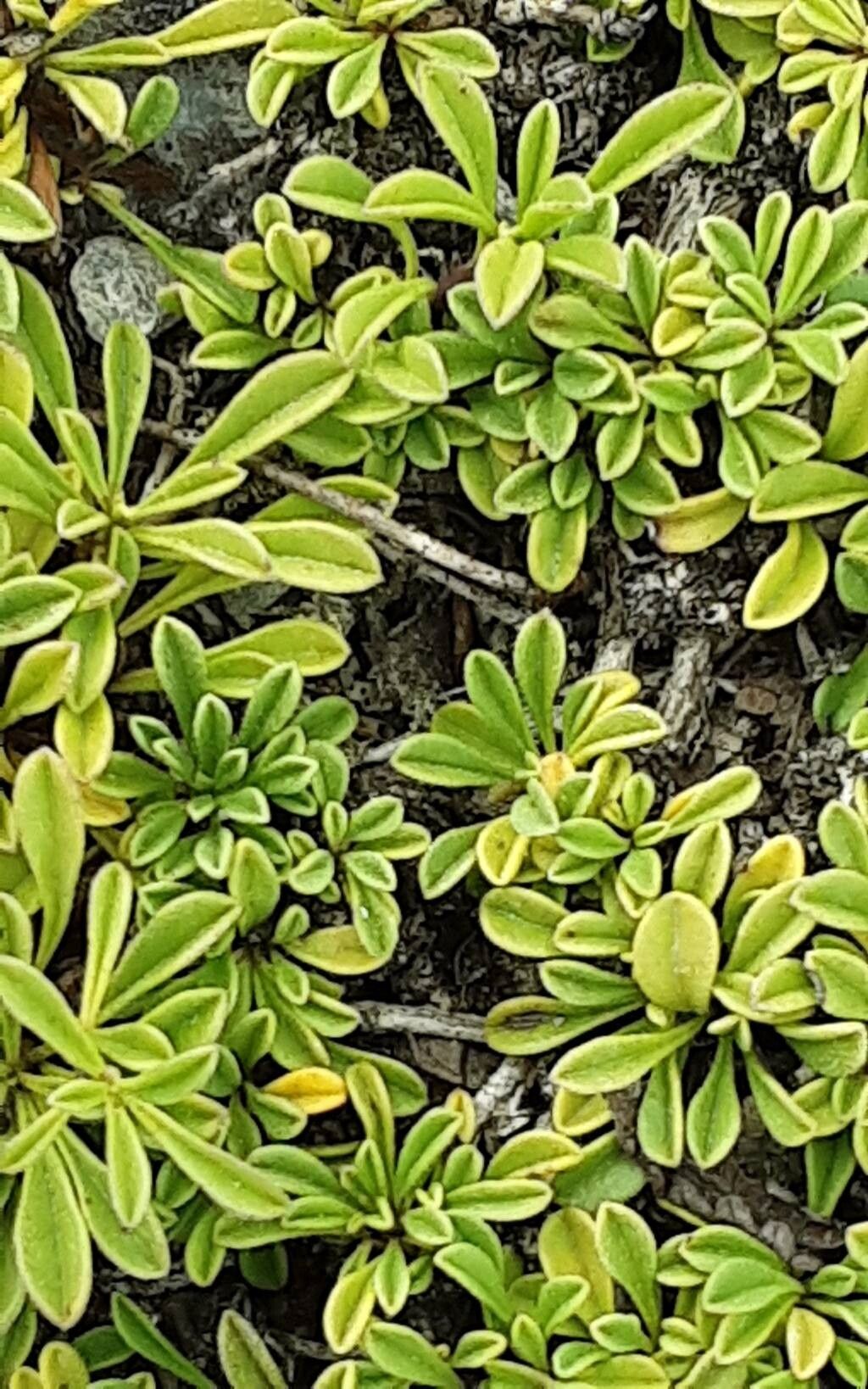
Hey there, fellow plant lovers! It’s so good to have you here in my digital garden shed. Today, we’re diving into a little gem that I absolutely adore: Globularia repens. If you’re a fan of those charming, low-growing alpine plants with their delightful little blue pincushion flowers, you’re in for a treat. Propagating Globularia repens isn’t exactly a walk in the park for absolute newcomers, but with a bit of care and attention, it’s incredibly rewarding. Seeing a tiny cutting transform into a whole new plant? That’s pure magic to me, and I promise, it’s totally achievable for you too.
The Best Time to Start
For Globularia repens, the sweet spot for propagation is definitely late spring to early summer. This is when the plant is actively growing and has that youthful energy. You want to take your cuttings from new, but not overly soft, growth. Think of it as gently nipping off a developing shoot – it has the best chance of taking root. Avoid trying to propagate from old, woody stems; it’s just too much for them to handle.
Supplies You’ll Need
Here’s what I usually have on hand when I’m about to get my hands dirty with Globularia repens propagation:
- Sharp pruning shears or a clean, sharp knife: Essential for making clean cuts.
- A gritty potting mix: I like a blend of about 50% perlite and 50% a good quality peat-free compost. This mimics their natural, well-draining alpine habitat.
- Small pots or trays: Clean ones, of course! Tiny pots are perfect for cuttings.
- Rooting hormone (optional but recommended): A powder or gel can give those hesitant roots a good nudge.
- A pebble or grit top dressing: To help keep the base of the cutting dry and prevent fungal issues.
- A plastic bag or propagator lid: To create a humid microclimate.
- A watering can with a fine rose: For gentle watering.
Propagation Methods
I’ve had the most success with Globularia repens using stem cuttings. It’s straightforward and gives you multiple plants from a single parent.
- Take Your Cuttings: In late spring or early summer, select healthy, non-flowering shoots. Use your sharp shears or knife to take cuttings about 2-3 inches long. Make the cut just below a leaf node (where the leaves attach to the stem).
- Prepare the Cuttings: Gently remove the lower leaves from the cutting, leaving just the top few leaves. This prevents them from rotting when you plant the cutting.
- Apply Rooting Hormone (If Using): Dip the cut end of the stem into your rooting hormone powder or gel. Tap off any excess.
- Potting Up: Fill your small pots with your gritty potting mix. Make a small hole in the center with your finger or a pencil.
- Insert the Cuttings: Carefully push the prepared cuttings into the holes, ensuring the leaf nodes are buried in the soil. Gently firm the soil around them.
- Water Gently: Water the pots lightly. You want the soil to be moist, not waterlogged.
- Create Humidity: Place the pots inside a clear plastic bag or cover them with a propagator lid. This traps moisture and helps the cuttings stay hydrated while they develop roots. Pop the pots in a bright spot, but out of direct, scorching sunlight.
The “Secret Sauce” (Pro Tips)
For Globularia repens, here are a couple of things I’ve learned that really boost success:
- Bottom Heat is Your Friend: If you have a heated propagator or a heat mat, using it can make a huge difference. Gently warming the soil from below encourages root development much faster than relying on ambient room temperature alone.
- Don’t Overwater (Seriously!): This is probably the biggest culprit for failure. Globularia repens hates soggy feet. The gritty mix helps, but even then, err on the side of slightly too dry rather than too wet. I usually check the soil moisture by touch – if the top inch feels dry, it’s time for a gentle drink.
- Air Circulation is Key: Even though we’re creating humidity, a little bit of airflow prevents fungal diseases. If you’re using a plastic bag, loosely seal it or open it up for a short period each day to let it breathe.
Aftercare & Troubleshooting
Once you see signs of new growth – little leaves unfurling or a slight tug on the cutting indicating root resistance – you’re on the right track!
- Gradual Acclimatization: Slowly begin to remove the plastic bag or lid over a week or two. This allows the new plant to get used to normal humidity levels.
- Continued Gentle Watering: Continue to water sparingly, only when the top of the soil feels dry.
- Potting On: Once the new plants have a good root system (you might see roots emerging from the drainage holes), they can be carefully potted up into slightly larger individual pots with your well-draining compost mix.
The main problem you might encounter is rot. If your cuttings turn mushy, black, or just disintegrate, it’s usually a sign of too much moisture and not enough air circulation. Don’t despair! Just clean up the pot, refresh the soil, and try again. Patience is truly a virtue here.
A Encouraging Closing
Propagating any plant is a journey, and Globularia repens is no exception. There will be times when things don’t quite go as planned, but each attempt is a learning experience. So, gather your supplies, embrace the process, and trust your instincts. Happy propagating, and enjoy the delightful blue blooms these new little plants will bring to your garden!
Resource:
https://identify.plantnet.org/k-world-flora/species/Globularia%20repens%20Lam./data