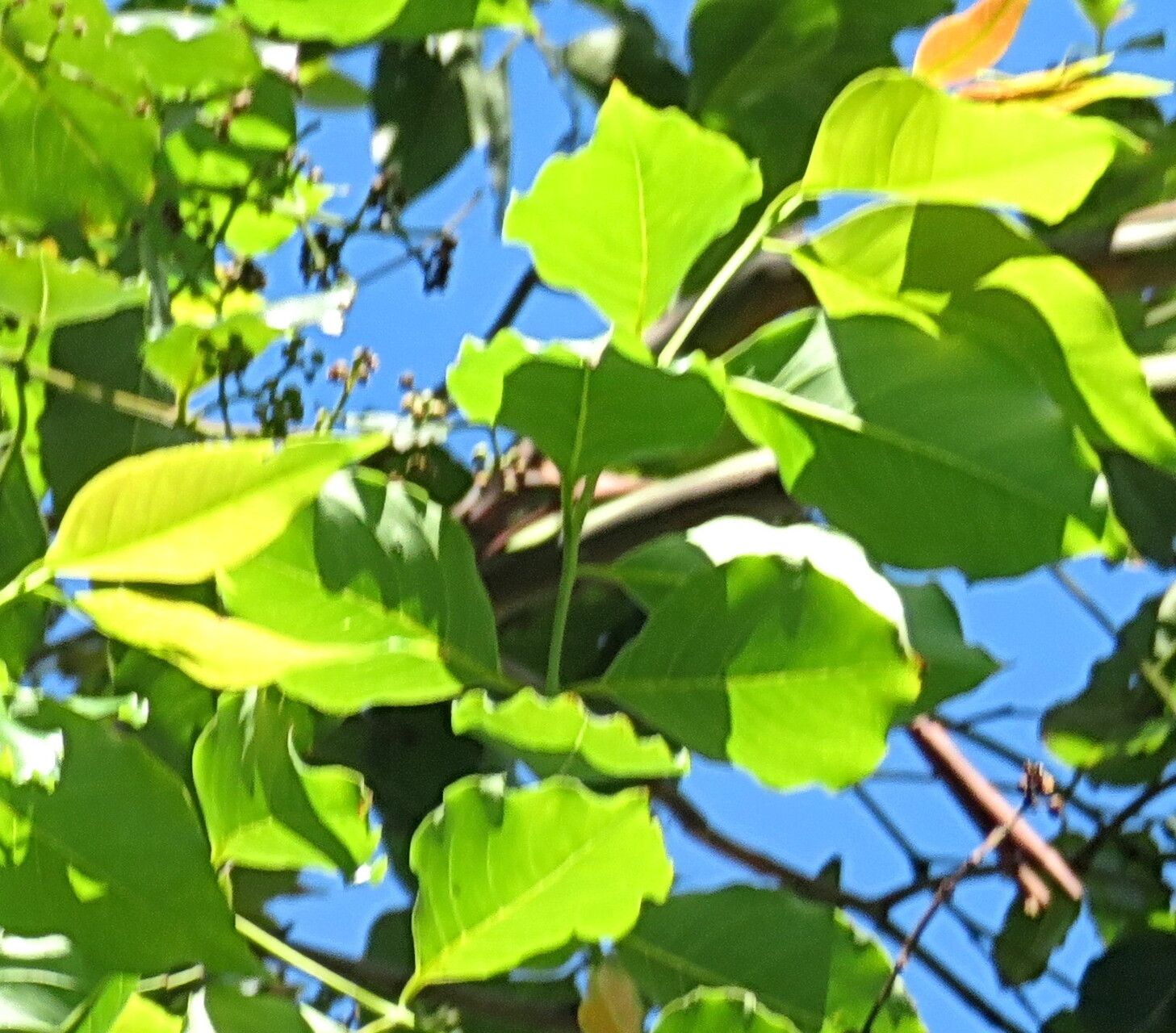
Oh, hello there! Come on in, grab a mug. Let’s chat about one of my absolute favorites: Eucalyptus deglupta, more commonly known as the Rainbow Eucalyptus. If you’ve ever seen a photograph of this tree, you know why it’s so captivating. Its bark is a living masterpiece, shedding in layers to reveal vibrant streaks of green, blue, orange, and even purple. It’s like nature decided to paint a tree, and honestly, what’s more rewarding than bringing a bit of that magic into your own garden?
Now, about propagating this beauty. Is it a walk in the park for a complete newbie? I’d say it leans towards the intermediate gardener. It’s not impossible, not by a long shot, but it does require a little more patience and attention to detail than, say, rooting a pothos. But trust me, the satisfaction of nurturing a tiny seedling into a future marvel makes every bit of effort worthwhile.
The Best Time to Start
Timing is everything, right? For Eucalyptus deglupta, you’ll have the best luck when the plant is in an active growth phase. This typically means late spring through early summer. You want to take cuttings from healthy, vigorous stems that are somewhere between soft growth and hardening off – not brand new, floppy tips, but not woody old branches either. Think of it as selecting the most promising young shoots.
Supplies You’ll Need
Gathering your supplies is like setting the stage for a successful performance. Here’s what I always have on hand:
- Sharp, clean pruning shears or a craft knife: Essential for making clean cuts and preventing disease.
- Rooting hormone (powder or gel): This is your secret weapon for encouraging root development.
- Well-draining potting mix: A good blend is key. I like to use a mix of peat moss, perlite, and a little bit of sand. Some people opt for orchid bark, which also works wonderfully.
- Small pots or seed trays: Clean containers are a must.
- Plastic bags or a propagation dome: To create a humid microclimate.
- Watering can with a fine spray: Gentle watering is important.
- Optional: A heat mat: This can significantly speed up root formation.
Propagation Methods
I’ve found great success with a couple of methods for Eucalyptus deglupta. Let’s dive in:
Stem Cuttings: This is my go-to.
- Select Your Cuttings: On a healthy branch, look for stems that are about 4-6 inches long. Make a clean cut just below a leaf node (where a leaf attaches to the stem). This is where root-forming cells are most active.
- Prepare the Cuttings: Gently remove the lower leaves from the cutting. You want to expose a few nodes along the stem. If the cutting has any flowers or seed pods, remove those too, as they draw energy away from root development.
- Apply Rooting Hormone: Dip the cut end of the stem into your rooting hormone, coating about an inch or so. Tap off any excess.
- Plant Your Cuttings: Fill your small pots with your well-draining mix. Make a pilot hole with a pencil or dowel, then insert the cutting so the nodes are buried in the soil. Gently firm the soil around the stem.
- Create Humidity: Water the soil gently to moisten it. Then, cover the pot with a plastic bag, securing it around the rim with a rubber band, or place it under a propagation dome. This traps moisture and keeps the leaves from drying out.
- Provide Light and Warmth: Place the pots in a bright spot but out of direct, scorching sunlight. If you have a heat mat, place the pots on it. This gentle bottom warmth can be a game-changer.
Water Propagation (with a caveat!): While some plants root easily in water, Eucalyptus deglupta can be a bit trickier this way, and I often find rot sets in if you’re not careful. However, if you want to try:
- Prepare Your Cuttings: Follow steps 1 and 2 above for preparing your cuttings.
- Place in Water: Use a clean glass or jar filled with water. Crucially, make sure none of the leaves are submerged. Only the bare stem should be in the water. This prevents rot.
- Change Water Regularly: Change the water every 2-3 days to keep it fresh and oxygenated.
- Provide Light and Warmth: Similar to cuttings, a bright, indirect light spot is best. Consider a heat mat if you have one.
- Pot Up Promptly: Once you see small root nubs forming, don’t wait too long. Pot them into your well-draining soil mix as soon as possible. Letting them stay in water too long can make them fragile and less adaptable to soil.
The “Secret Sauce” (Pro Tips)
Over the years, I’ve learned a few little tricks that seem to make all the difference:
- “Wound” Your Cuttings (Gently!): Before dipping in rooting hormone, I sometimes make a tiny nick on one side of the stem’s base. It’s like giving it a little invitation to start healing and forming roots. Don’t go crazy with this, just a small scrape.
- The Power of Bottom Heat: Seriously, if you can get your hands on a heat mat, use it. For Eucalyptus deglupta, consistent, gentle warmth from below really encourages those roots to get going much faster and more reliably.
- Don’t Disturb Too Soon: Resist the urge to constantly tug at your cuttings to check for roots. You’ll damage tender new growth. Wait until you see signs of new leaf growth, or gently try to wiggle the cutting – resistance means roots have formed.
Aftercare & Troubleshooting
Once you spy those beautiful little roots peeking out of the drainage holes or see new growth on your cutting, give yourself a pat on the back! Now, it’s time for some gentle nurturing.
- Acclimate Slowly: If you used a plastic bag or dome, gradually introduce your new baby to drier air. Open the bag wider each day for a week or so.
- Watering: Water when the top inch of soil feels dry. Water thoroughly, allowing excess to drain away. Avoid letting it sit in soggy soil – this is a recipe for root rot.
- Light: Continue to provide bright, indirect light. As the plant grows stronger, you can gradually introduce it to more direct sunlight, but do it slowly to prevent scorching.
- Fertilizing: Wait until you see consistent new growth before introducing a very dilute liquid fertilizer.
Now, what if things go wrong? The most common hiccup is rot. If your cutting turns black and mushy, it’s usually a sign of too much moisture and not enough airflow. Make sure your soil is airy and allow the surface to dry slightly between waterings. If you notice wilting on a cutting that should be rooted, it might be that it just didn’t take, or it’s not getting enough water. Don’t give up! Sometimes it just takes a few tries.
A Warm Encouraging Closing
Propagating Eucalyptus deglupta is a journey, and like any good journey, it has its ups and downs. Be patient with yourself and with your little cuttings. Celebrate every small victory, like a new leaf unfurling or the first sign of roots. The process of nurturing life is one of the most rewarding aspects of gardening. So, go ahead, get your hands dirty, and enjoy the beautiful ride of growing your very own Rainbow Eucalyptus. You’ve got this!
Resource:
https://identify.plantnet.org/k-world-flora/species/Eucalyptus%20deglupta%20Blume/data