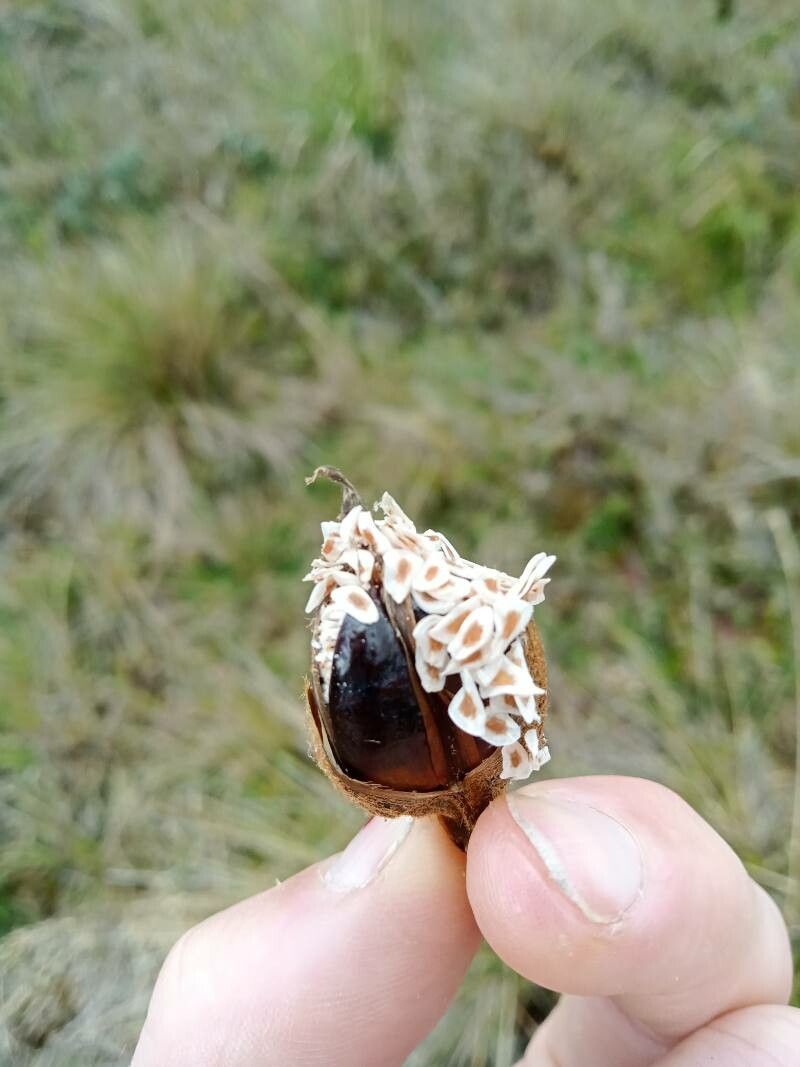
Hello, fellow plant lovers!
There’s something truly special about Puya trianae. With its striking, architectural form and often vibrant, bell-shaped flowers, it’s a plant that commands attention. Many of us fall in love with its exotic beauty and dream of having more of these treasures in our gardens or homes. The good news? You absolutely can! Propagating Puya trianae can be incredibly rewarding, offering a chance to expand your collection and share the joy with others.
Now, let’s get down to the nitty-gritty. Is Puya trianae a breeze to propagate? Honestly, it can be a bit of a patient gardener’s game. It’s not always hands-off easy, but with the right approach, you’ll find immense satisfaction in nurturing a new life from a parent plant. Don’t let that deter you; it just means we need to be a little more deliberate.
The Best Time to Start
For Puya trianae, the sweet spot for propagation is typically during its active growing season. This usually means late spring through early summer. You’ll have the most success when the plant is full of vigor and readily producing offsets or when you can take healthy cuttings from its new growth.
Supplies You’ll Need
Here’s what you’ll want to have on hand before you dive in:
- Sharp, sterile pruning shears or a clean knife: For making neat cuts without damaging the plant.
- Well-draining potting mix: I like a blend of coarse sand, perlite, and a good quality potting soil. Think cactus and succulent mix, but perhaps a little more gritty.
- Rooting hormone (optional but recommended): This can give your cuttings a helpful boost. Look for one specifically for stem cuttings.
- Small pots or trays with drainage holes: For housing your new propagations.
- A spray bottle: For misting.
- A propagation mat or warm spot: Bottom heat can work wonders!
Propagation Methods
Puya trianae can be propagated through a couple of main avenues. Let’s explore them.
1. Offset Division (The Most Common Method)
Puya trianae often produces offsets, or “pups,” which are essentially baby plants that grow from the base of the parent. This is usually the easiest and most successful way to multiply your plants.
- Prepare your parent plant: Gently remove the parent Puya from its pot. If it’s planted in the ground, carefully dig around its base.
- Locate the offsets: You’ll see small plantlets emerging from the soil near the base.
- Separate the offsets: Using your sharp, sterile tool, carefully cut or pry the offset away from the parent plant at the point where they are joined. Try to get as much of the offset’s own root system as possible.
- Allow to callus: Before repotting, let the cut surface of the offset air dry for a day or two in a warm, dry spot. This helps prevent rot.
- Potting up: Fill your small pots with your well-draining mix. Make a hole in the center and nestle the offset in, ensuring its base is covered by soil.
- Water sparingly: Give it a light watering, just enough to settle the soil.
2. Stem Cuttings (More Advanced)
This method is best in the growing season and requires a bit more attention to detail.
- Select a healthy stem: Choose a vigorous, new stem from the parent plant.
- Make the cut: Using your sterile shears, make a clean cut about 4-6 inches down from the tip. Remove any lower leaves that would fall below the soil line.
- Apply rooting hormone: Dip the cut end of the stem into rooting hormone powder, tapping off any excess.
- Plant the cutting: Insert the hormonal end into a pot filled with your well-draining mix.
- Water and provide warmth: Water lightly and place the pot in a warm location, ideally with bottom heat.
The “Secret Sauce” (Pro Tips)
Here are a few little tricks I’ve learned over the years that can make a big difference:
- Don’t drown them: While they need moisture to root, overwatering at this stage is the quickest way to invite rot. Let the soil dry out slightly between waterings.
- Bottom heat is your friend: Puya trianae roots are slow to develop, and a gentle bottom heat from a propagation mat can significantly speed things up and encourage strong root formation.
- Patience is paramount: Especially with stem cuttings, it can take weeks, even months, for roots to form. Don’t be tempted to pull them up to check. Let them be!
Aftercare & Troubleshooting
Once you see signs of new growth or feel a gentle tug when you lightly pull an offset, you know roots have formed! Continue to water sparingly, allowing the soil to dry between waterings. Gradually introduce your new plant to brighter light, but avoid direct, harsh sun initially.
The most common problem you’ll encounter is rot. If your cutting or offset turns mushy, black, or smells foul, it’s likely rotted from overwatering or a lack of drainage. There’s usually no coming back from that, so prevention is key. Keep an eye out for wilting leaves that aren’t due to dryness; this can also be a sign of root rot.
A Encouraging Closing
Propagating Puya trianae is a journey. It teaches us patience and rewards us with the incredible feeling of creating new life. Don’t be discouraged if your first attempts aren’t perfect. Each plant, each season, is a learning opportunity. Keep nurturing, keep observing, and most importantly, keep enjoying the magic of your garden. Happy growing!
Resource:
https://identify.plantnet.org/k-world-flora/species/Puya%20trianae%20Baker/data