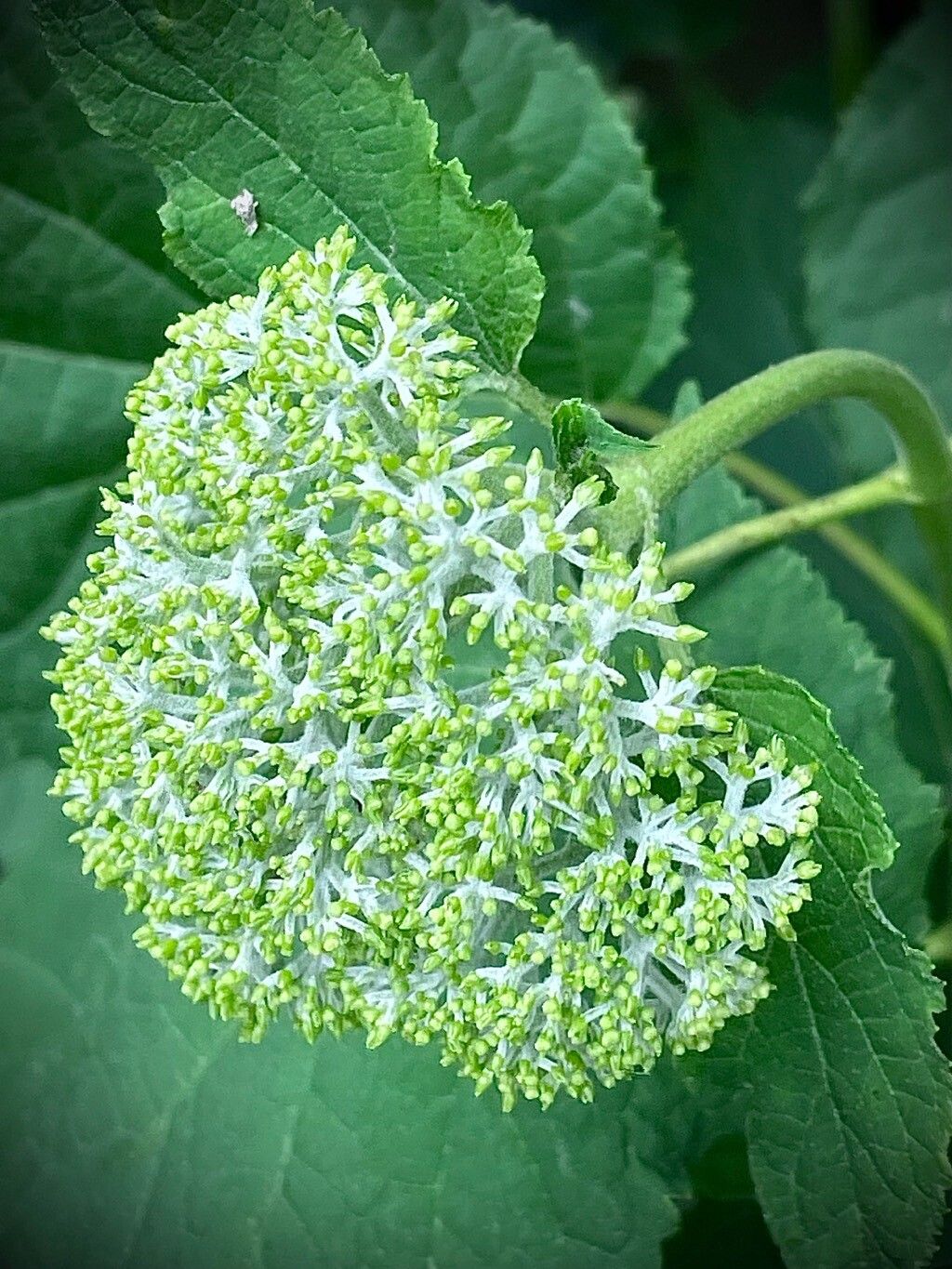
Oh, hello there! So, you’ve fallen head over heels for those gorgeous, fluffy blooms of Hydrangea arborescens, haven’t you? I know I have. There’s just something so satisfying about those big, beautiful mopheads. And the best part? Getting more of these beauties for yourself is surprisingly achievable, even for us garden enthusiasts who are just dipping our toes into propagation. Honestly, Hydrangea arborescens is one of the most forgiving shrubs to multiply, making it a fantastic starting point. Let’s get our hands dirty!
The Best Time to Start
When it comes to timing, late spring to early summer is your golden window. This is when the plant is actively growing, and its stems are still somewhat soft and pliable, but have also started to mature a little. Think of it as the sweet spot – not too woody, not too brand new and delicate. This is when you’ll get the most bang for your buck, rooting-wise.
Supplies You’ll Need
Before we dive into the “how-to,” let’s gather our little gardening arsenal. Having everything ready makes the whole process smoother.
- Sharp Pruning Shears or a Knife: Clean cuts are important.
- Rooting Hormone (Optional but recommended): This little helper really speeds things up.
- Small Pots or Propagation Trays: Little homes for our new arrivals.
- Well-Draining Potting Mix: I like a blend of peat moss, perlite, and a bit of compost. You can buy a pre-made seed-starting mix too.
- Clear Plastic Bags or Domes: To create a humid environment.
- Watering Can with a Fine Rose: For gentle watering.
- Labels: You’ll thank yourself later!
Propagation Methods
Here’s how we’re going to do it. I find stem cuttings to be the most reliable and rewarding for Hydrangea arborescens.
Stem Cuttings
- Take Your Cuttings: In late spring or early summer, head out to your mature hydrangea. Look for new, healthy stems that are about 6-8 inches long. You want stems that are green and flexible, not yet woody. Make a clean cut just below a leaf node (that’s where a leaf attaches to the stem). This is where the magic happens, where roots are most likely to form.
- Prepare the Cuttings: Once you have your cuttings, gently remove the lower leaves. You want to leave just the top two or three leaves. If a leaf is quite large, you can even cut it in half horizontally to reduce water loss through transpiration.
- Dip in Rooting Hormone (Optional): If you’re using rooting hormone, dip the cut end of each stem into the powder or gel. Tap off any excess.
- Plant Your Cuttings: Fill your pots or trays with your prepared potting mix. Make a hole with a pencil or your finger in the center. Gently insert the cut end of the hydrangea cutting into the hole, ensuring the lowest leaf node is buried.
- Firm and Water: Gently firm the soil around the cutting. Then, water thoroughly but gently. You don’t want to disturb the soil too much.
- Create Humidity: Now, for that crucial humid environment. You can cover the pots with a clear plastic bag (supported by stakes so it doesn’t touch the leaves!) or a plastic propagation dome. This traps moisture.
The “Secret Sauce” (Pro Tips)
Over the years, I’ve learned a few tricks that really seem to make a difference.
- Bottom Heat is Your Friend: If you have a seed-starting mat, place your propagation tray on it. Bottom heat helps encourage root development. It’s like giving your cuttings a warm little foot rub to get them going!
- Don’t Let Those Leaves Dip! This is a big one, especially if you’re tempted to try water propagation. When roots are forming, ensure no leaves are submerged in the water. Any leaves wilting or rotting in the water can take the whole cutting down with it.
- Morning Sun, Afternoon Shade: Once your cuttings are potted up and covered, find them a spot that gets bright, indirect light. Direct afternoon sun can scorch those tender new leaves and dry out the soil too quickly.
Aftercare & Troubleshooting
Be patient! This is where the real test of faith comes in.
- Check for Roots: After about 4-8 weeks, gently tug on a cutting. If you feel resistance, that’s a good sign roots have formed. You can also carefully lift a cutting to peek at the roots.
- Acclimatize: Once roots are well-established, it’s time to let your new plants breathe. Gradually remove the plastic bag or dome over a week, opening it a little more each day. This helps them adjust to normal humidity levels.
- Water Regularly: Keep the soil consistently moist but not waterlogged. Overwatering is your enemy here, and it can lead to rot.
- Signs of Trouble: The most common culprit is rot, which usually shows up as stems turning black and mushy. This is often due to too much moisture or poor drainage. If you see this, remove the affected cutting immediately to prevent it from spreading. Yellowing leaves can sometimes mean they’re getting too much direct sun or the soil is too dry.
A Encouraging Closing
Seeing those tiny roots emerge is one of the most exciting moments a gardener can experience. Don’t get discouraged if a few cuttings don’t make it – it’s all part of the learning process! Enjoy the journey of nurturing these new lives, and before you know it, you’ll have a whole garden of your favorite hydrangeas. Happy propagating!
Resource:
https://identify.plantnet.org/k-world-flora/species/Hydrangea%20arborescens%20L./data