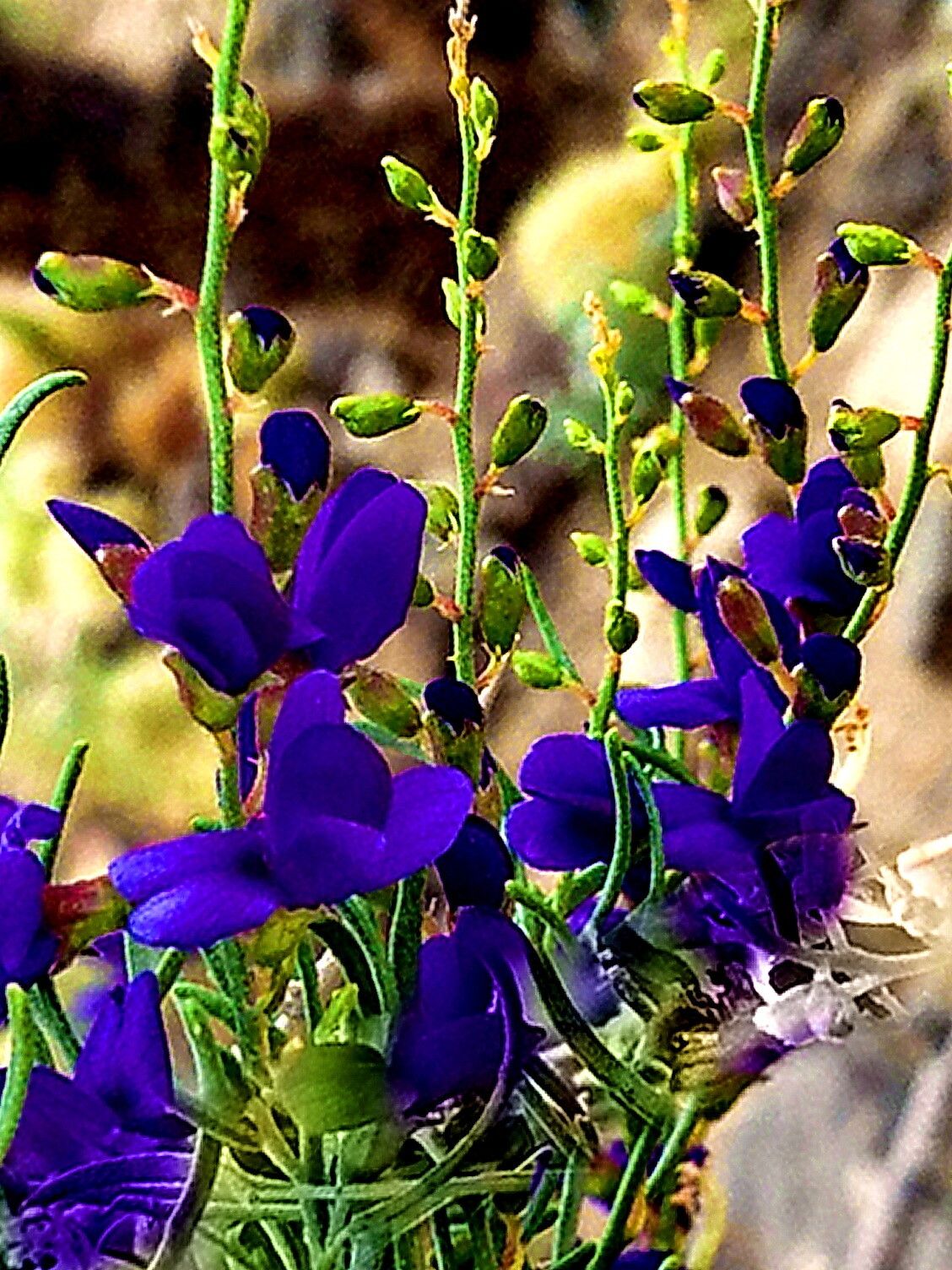
Hello, fellow garden enthusiasts! Today, we’re diving into the wonderful world of propagating Psorothamnus schottii, also known as Schott’s Dalea or Desert Smoke Tree.
This desert darling caught my eye years ago with its delicate, silvery foliage and wispy, smoke-like blooms. It’s a fantastic addition to arid gardens, adding texture and a touch of whimsical charm. Propagating it yourself is not only incredibly rewarding, but it also allows you to share this beauty with friends or fill your landscape without breaking the bank. Now, I’ll be honest, Psorothamnus schottii isn’t always the most straightforward plant for absolute beginners, but with a little patience and these tips, you’ll be well on your way to success.
The Best Time to Start
For the highest success rate with Psorothamnus schottii, I find that late spring to early summer is your golden window. This is when the plant is actively growing and has plenty of energy to put into rooting new cuttings. You’re looking for stems that are semi-hardwood – not brand new, floppy growth, but also not old, woody stems. A good indicator is a stem that bends slightly without snapping.
Supplies You’ll Need
- Sharp Pruning Shears or a Craft Knife: Clean cuts are crucial!
- Rooting Hormone: A powder or gel works beautifully. This is your insurance policy for happy roots.
- Well-Draining Potting Mix: I prefer a mix that’s about 50% coarse sand or perlite and 50% a good quality potting soil. You can also buy specialized cactus and succulent mixes.
- Small Pots or Seedling Trays: Make sure they have drainage holes.
- Plastic Bag or Humidity Dome: To create a mini-greenhouse effect.
- Watering Can with a Fine Rose or Spray Bottle: For gentle watering.
- Gloves (Optional): Some folks prefer to wear them, especially when handling rooting hormone.
- Labels: Don’t forget to label your cuttings!
Propagation Methods: Stem Cuttings
This is my go-to method for Psorothamnus schottii, and I’ve had the best luck with it.
- Take Your Cuttings: On a pleasant morning, select healthy, vigorous stems that are about 4-6 inches long. Make a clean cut just below a leaf node. A leaf node is where a leaf attaches to the stem, and it’s where the magic of rooting often happens. Remove the lower leaves, leaving just the top few to help with photosynthesis.
- Apply Rooting Hormone: Dip the bottom inch of each cutting into your rooting hormone, tapping off any excess. This step really gives your cuttings a boost.
- Plant Your Cuttings: Fill your small pots with the well-draining potting mix. Gently insert the hormone-coated end of each cutting into the soil, making sure it’s firm enough to stand upright. You can plant a few cuttings per pot, spaced a couple of inches apart.
- Water Gently: Water the soil thoroughly but gently until it’s moist. You don’t want to drench it.
The “Secret Sauce” (Pro Tips)
Here are a few things I’ve learned over the years that really make a difference:
- Avoid Overwatering Initially: This is the biggest killer of cuttings! While you want the soil to be consistently moist, not waterlogged is key. Soggy soil can lead to rot before roots even have a chance to form.
- Bottom Heat is Your Friend: If you can, place your pots on a gentle heat mat. This encourages root development from below, mimicking the warmth of the soil in its natural habitat. I’ve found this dramatically speeds up the process.
Aftercare & Troubleshooting
Once your cuttings are planted, it’s time to give them a cozy environment.
- Create a Humid Microclimate: Cover your pots with a clear plastic bag or a humidity dome. This keeps the humidity high, preventing the leaves from drying out before roots are established. Make sure the leaves aren’t touching the plastic if possible. Ventilate the bag daily for a few minutes to prevent mold.
- Bright, Indirect Light: Place your cuttings in a spot that receives bright, indirect light. Direct sun can scorch those tender cuttings.
- Be Patient: This is crucial! Psorothamnus schottii can be a bit slow to root. It might take 4-8 weeks, or even longer. You’ll know they’ve rooted when you see new growth appearing or feel a gentle tug when you lightly pull on a cutting. Don’t give up too soon!
Troubleshooting: The most common sign of trouble is rot. If your cuttings look mushy, turn black, or smell foul, it’s a strong indicator of too much moisture or insufficient air circulation. If you see this, remove the affected cuttings immediately and try to increase ventilation while reducing watering. Sometimes, you might find no root development at all – in this case, try taking new cuttings at a slightly different time of year or with more semi-hardwood stems.
A Encouraging Closing
Propagating Psorothamnus schottii is a journey, and like all good journeys, it’s about the experience. Enjoy the process, celebrate each tiny sign of progress, and don’t be discouraged if every single cutting doesn’t make it. The satisfaction of nurturing a new plant from a small stem is truly unmatched. Happy propagating!
Resource:
https://identify.plantnet.org/k-world-flora/species/Psorothamnus%20schottii%20(Torr.)%20Barneby/data