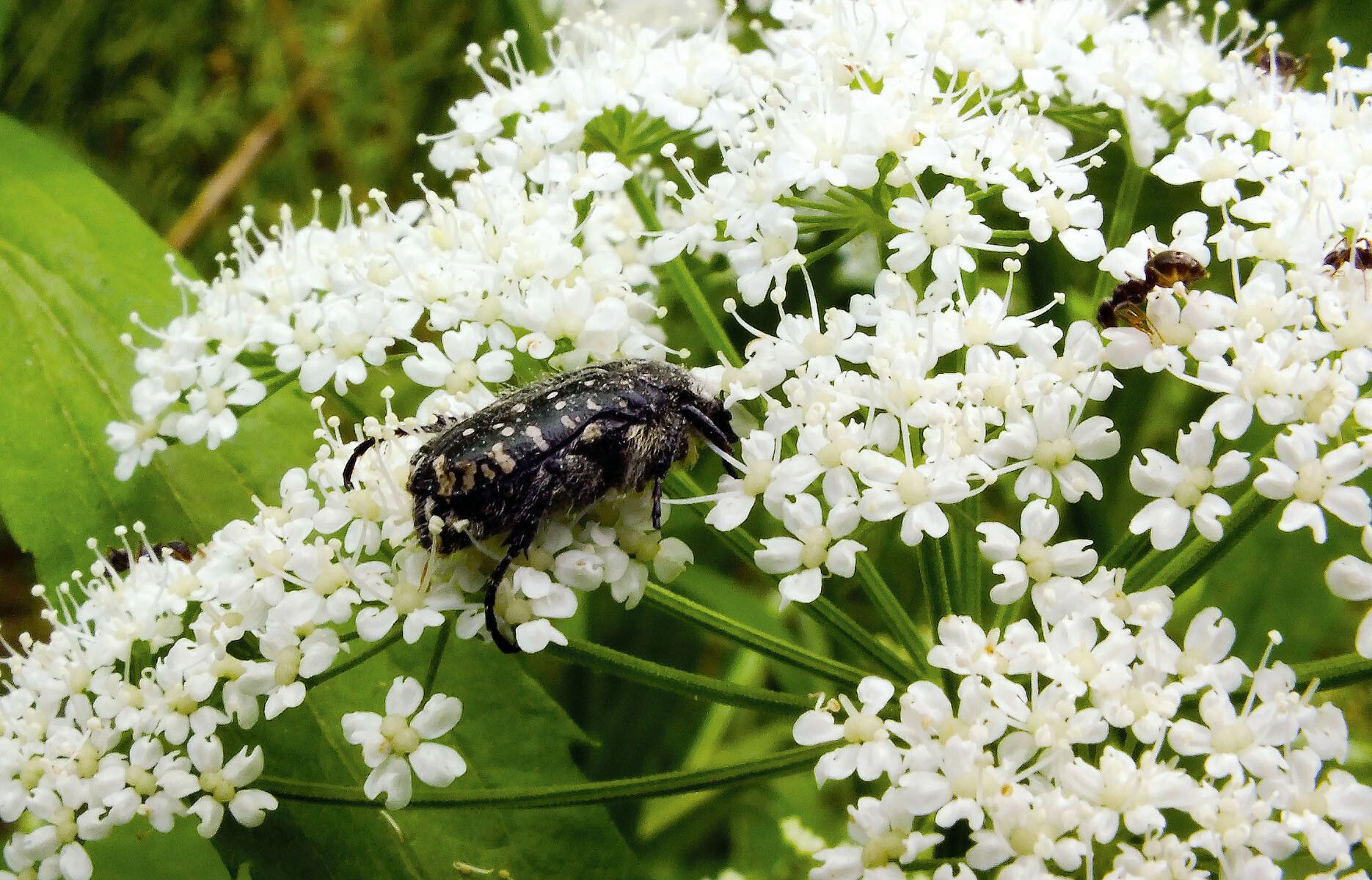
Hello, fellow garden enthusiasts! Today, we’re diving into the delightful world of Pleurospermum austriacum, also known as Austrian Parsley or Mountain Angelica. If you’re drawn to its intricate, lace-like foliage and the promise of those gorgeous, delicate flower umbels, you’re in for a treat. Propagating this beauty can be incredibly rewarding, though I’ll be honest, it’s not the absolute easiest plant for a complete beginner. But with a little care and a dash of patience, you’ll be well on your way to creating more of this stellar specimen for your garden.
The Best Time to Start
For Pleurospermum austriacum, your best bet for propagation is generally in late spring to early summer. This is when the plant is actively growing and has plenty of energy to dedicate to root development. Waiting until after the initial flush of spring growth has settled a bit, but before the hottest part of summer arrives, usually gives you the best results.
Supplies You’ll Need
Before we get our hands dirty, let’s gather our tools:
- Sharp, clean pruning shears or a scalpel: For making precise cuts.
- Rooting hormone (optional but recommended): A powder or gel to encourage root formation.
- Well-draining potting mix: A blend of peat moss, perlite, and a little sand works beautifully. You want something that won’t hold excess moisture.
- Small pots or seed trays: With drainage holes, of course!
- Plastic bags or a propagation dome: To create a humid environment.
- Watering can or spray bottle: For gentle watering.
- Labels and a marker: To keep track of your projects!
Propagation Methods
While Pleurospermum austriacum can be grown from seed, vegetative propagation, specifically through stem cuttings, is often more straightforward for duplicating an existing plant’s characteristics.
Stem Cuttings:
- Select your source plant: Choose a healthy, vigorous Pleurospermum austriacum that is not currently flowering.
- Take the cuttings: Using your sharp shears or scalpel, take 4-6 inch cuttings from the tips of new, non-woody stems. Make your cut just below a leaf node. Aim for cuttings that have at least two leaf nodes.
- Prepare the cuttings: Gently remove the lower leaves from the bottom node. This prevents them from rotting in the soil.
- Apply rooting hormone (if using): Dip the cut end of each stem into your rooting hormone, tapping off any excess.
- Plant the cuttings: Insert the prepared cuttings into small pots filled with your well-draining potting mix. Make sure at least one leaf node is buried in the soil. The leaves you left on should be above the soil line.
- Water gently: Water the soil lightly to settle it around the cuttings.
- Create humidity: Cover the pots with a plastic bag (propped up so it doesn’t touch the leaves) or place them in a propagation dome. This is crucial for keeping the cuttings turgid while they develop roots.
- Provide light and warmth: Place the pots in a bright spot, but out of direct sunlight. If you have access to a heat mat, bottom heat can significantly speed up the process. Aim for a consistent temperature around 70-75°F (21-24°C).
The “Secret Sauce” (Pro Tips)
Here are a couple of tricks I’ve picked up over the years that can make a big difference:
- The “Air Layering” trick: If you’re hesitant about cuttings or want to try something a little different, you can try air layering on a mature plant. This involves making a small incision on a stem, wrapping it with moist sphagnum moss, and then covering it with plastic wrap. Roots will form in the moss, and you can then sever the rooted stem and plant it. It’s a bit more involved but can be very successful.
- Don’t overwater! This is probably the most common pitfall. The cuttings need moisture, but they absolutely hate soggy feet. That’s why a good, free-draining mix is so important. You want the soil to be consistently moist, but never waterlogged.
Aftercare & Troubleshooting
Once you see signs of new growth – tiny leaves emerging from the top or resistance when you gently tug on a cutting – you’re likely on your way to success! This indicates roots are forming.
- Acclimate gradually: Once roots have developed, begin to gradually acclimate your new plants to normal conditions. Loosen the plastic cover for increasing periods over a week or two, before removing it entirely.
- Potting up: When the new plants are large enough to handle, you can pot them up into slightly larger containers with fresh potting mix.
- Watch for rot: The biggest enemy of cuttings is rot. If you notice cuttings turning black and mushy, it’s a sign of too much moisture and not enough air circulation. Unfortunately, rotted cuttings are usually a lost cause, so it’s best to discard them and start again, focusing on that well-draining mix and proper watering.
A Little Patience Goes a Long Way
Propagating Pleurospermum austriacum is a journey, and like all good gardening adventures, it requires a bit of patience. Don’t be discouraged if your first attempt isn’t a complete triumph. Each time you try, you learn something new. Enjoy the process of nurturing these baby plants; there’s a special kind of magic in watching them grow! Happy gardening!
Resource:
https://identify.plantnet.org/k-world-flora/species/Pleurospermum%20austriacum%20(L.)%20Hoffm./data