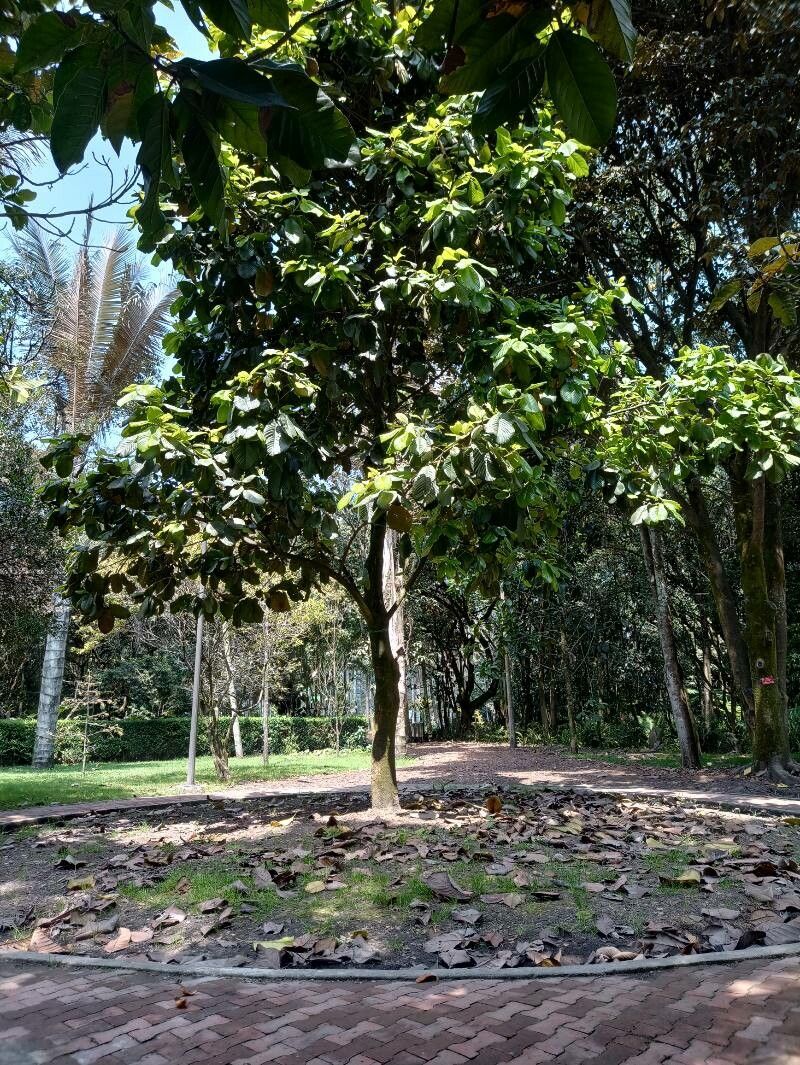
Oh, hello there! Grab a mug of your favorite brew, and let’s chat about a truly special plant: Magnolia hernandezii. If you’ve ever seen one of these beauties, you’ll know why I’m so excited about them. The glossy, dark green leaves, the subtly fragrant – and let’s be honest, absolutely stunning – blooms… they just have a way of captivating you. And the joy of growing your very own from scratch? That’s a whole other level of garden satisfaction. Now, I won’t lie, Magnolia hernandezii isn’t the absolute easiest plant to propagate for a complete beginner, but with a little patience and these tips, I promise you can do it. Think of it as a little challenge that’s incredibly rewarding!
The Best Time to Start
For Magnolia hernandezii, I find the sweet spot for taking cuttings is in late spring to early summer, right when the plant is in its active growth phase. You want to look for stems that are semi-hardened. This means they are no longer the soft, new, floppy growth, but they also haven’t fully hardened into old, woody stems. They should have a bit of flexibility to them. This is the prime time when the plant is full of energy and ready to produce new roots.
Supplies You’ll Need
Here’s what you’ll want to have on hand before you get started:
- Sharp Pruning Shears or a Clean Knife: For making clean cuts. A dull tool can bruise the stem and hinder rooting.
- Rooting Hormone: This isn’t strictly essential for all plants, but it significantly increases your success rate with trickier ones like Magnolias. Look for one formulated for woody cuttings.
- Well-draining Potting Mix: A good blend is crucial. I like a mix of equal parts perlite and peat moss, or a commercial seed starting or succulent mix. You want it to hold moisture but not become waterlogged.
- Small Pots or Trays: Clean pots are a must! Anything from 4-inch pots to seedling trays will work.
- Clear Plastic Bag or Humidity Dome: To create a mini-greenhouse effect.
- Water Mister or Spray Bottle: For keeping the cuttings moist.
- Gravel or Small Stones (Optional): For drainage in the bottom of pots if you’re not using a really airy mix.
Propagation Methods
Let’s get our hands dirty with the most reliable method for Magnolia hernandezii: stem cuttings.
- Prepare Your Workspace: Make sure everything is clean. This is crucial for preventing fungal diseases.
- Select Your Cuttings: Look for those semi-hardened stems I mentioned. Aim for cuttings that are about 4-6 inches long.
- Make the Cut: Using your clean shears, make a clean cut just below a leaf node. A leaf node is where a leaf attaches to the stem. This is where the magic happens with rooting.
- Strip Lower Leaves: Gently remove the leaves from the bottom half of your cutting. If you have large leaves, you can even cut larger leaves in half horizontally to reduce water loss through transpiration. Leave two to three leaves at the top.
- Apply Rooting Hormone: Dip the cut end of the stem into your rooting hormone, tapping off any excess. Make sure the end is coated.
- Potting Up: Fill your clean pots with your well-draining potting mix. Make a small hole in the center of the mix with your finger or a pencil.
- Insert the Cutting: Gently insert the end of the cutting into the hole, making sure the rooting hormone stays on the cut end. Firm the soil gently around the stem to make sure it’s in good contact.
- Water Gently: Water the soil thoroughly but gently. You want it moist, not soggy.
- Create the Greenhouse: Place your potted cuttings in a spot that receives bright, indirect light. Then, cover the pot with a clear plastic bag, making sure the leaves don’t touch the plastic, or use a humidity dome. If you’re using a bag, you might need to prop it up with a few small stakes so it doesn’t collapse onto the leaves.
The “Secret Sauce” (Pro Tips)
Here are a few little tricks I’ve picked up over the years that can really make a difference:
- Bottom Heat is Your Friend: If you have an old seedling heat mat, this is the perfect place for your potted cuttings. Providing gentle bottom heat encourages root formation much faster. It mimics the warmth of spring soil.
- Don’t Let Those Leaves Drip! I know I mentioned this in the steps, but it bears repeating. If the leaves on your cuttings can touch the inside of the plastic bag or the sides of the humidity dome, they can start to rot. Think of it as giving your little cuttings their own breathable space. So, trim leaves or prop up your cover to keep things airy.
- Patience with Water Propagation (if you try it): While stem cuttings in soil are generally best for Magnolia hernandezii, some people try water propagation. If you do, ensure absolutely no leaves touch the water. Even just a tiny bit of leaf submerged can lead to rot. Also, change the water every couple of days to keep it fresh.
Aftercare & Troubleshooting
Once your cuttings are potted, the real waiting game begins! Keep them in that bright, indirect light and mist them regularly to keep the humidity high, especially if you’re not using a closed dome. You want the soil to stay consistently moist but never waterlogged. How do you know if it’s working? Gently tug on a cutting. If there’s resistance, it means roots are forming! This can take anywhere from 4-10 weeks, sometimes even longer.
What if things go wrong? The most common issue is rot. You’ll see the stem turn mushy and black, or the leaves will wilt and turn yellow and papery, even with misting. This is usually a sign of too much moisture and poor air circulation. If you see this, it’s time to clean up and start again, perhaps with drier soil or better ventilation. Another sign of failure is simply no activity at all. If after a couple of months there’s no sign of life, it just means this particular cutting wasn’t successful—don’t let it discourage you!
A Encouraging Closing
Propagating plants is a journey, and Magnolia hernandezii is a wonderful one to embark on. It’s about observing, learning, and being patient. Don’t be discouraged if your first attempt isn’t a roaring success. Each cutting, each season, teaches you something new. So, embrace the process, enjoy the anticipation, and soon you might just have a beautiful new Magnolia hernandezii to call your own. Happy propagating!
Resource: