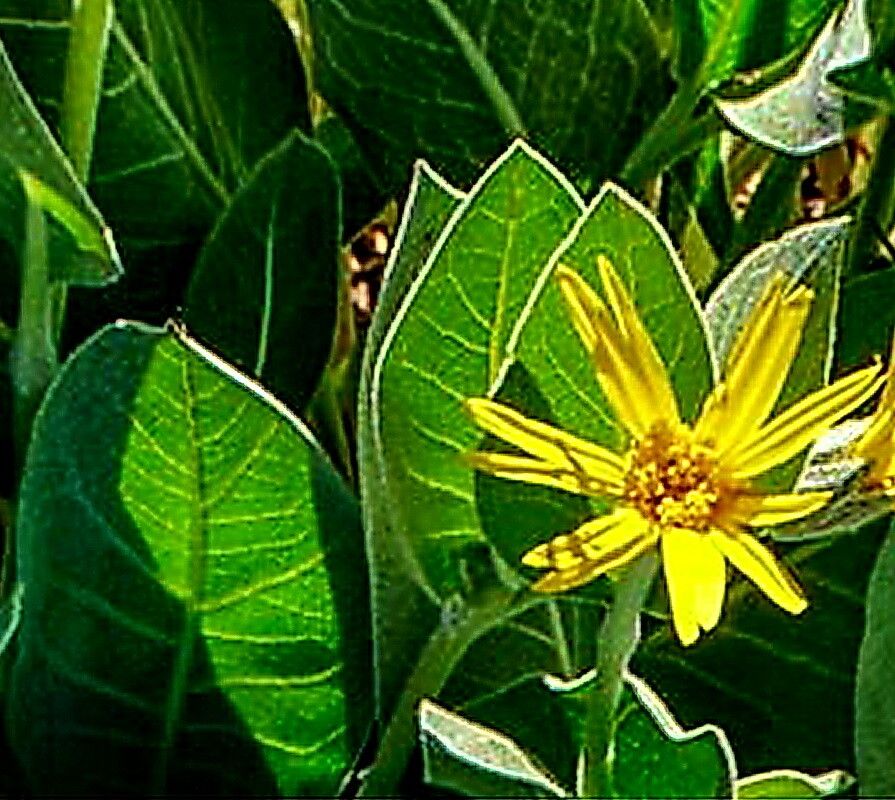
Hey there, fellow garden enthusiasts! Today, we’re diving into the wonderful world of Wyethia mollis, often called Woolly Sunflower. If you’ve ever admired its cheerful, daisy-like yellow blooms and fuzzy, silver-green foliage, you’re not alone. This native beauty brings such bright energy to any garden, and the satisfaction of creating more of these gems from your existing plants is incredibly rewarding.
Now, I know some propagation projects can feel a bit daunting, especially if you’re just starting out. But I’m happy to tell you that Wyethia mollis is generally quite manageable to propagate. It’s a great plant to practice your skills on, and you’ll likely find success with a little patience and the right approach.
The Best Time to Start
For the highest success rate with your Wyethia mollis propagation, the sweet spot is generally late spring to early summer. This is when the plant is actively growing and has plenty of energy to put into developing new roots. Look for healthy, vigorous stems that are not yet flowering, or just beginning to form buds.
Supplies You’ll Need
Gathering your tools beforehand makes the whole process much smoother. Here’s what I usually have on hand:
- Sharp pruning shears or a clean knife: For making clean cuts.
- Rooting hormone (optional but recommended): Helps encourage faster and stronger root development. Look for one formulated for softwood cuttings.
- Well-draining potting mix: A mix of perlite, peat moss, and a bit of compost works beautifully. You want something that won’t hold too much moisture.
- Small pots or seed trays: For your new babies to establish in. Make sure they have drainage holes!
- Watering can or spray bottle: For gentle watering.
- Plastic bags or a propagator: To create a humid environment for your cuttings.
Propagation Methods
While Wyethia mollis can be grown from seed, I find division to be the most reliable and straightforward method for home gardeners.
Division: The Gardeners’ Friend
This is my go-to for clump-forming perennials like Woolly Sunflower.
- Digging Up Your Plant: In late spring or early summer, when the plant is actively growing but before it gets too big and unwieldy, gently dig around the base of your mature Wyethia mollis. Work your way outwards to loosen the soil and lift the entire clump. Try to disturb the roots as little as possible.
- Dividing the Clump: Once the clump is out, you can carefully pull or use your spade to divide it into smaller sections. Each section should have a good proportion of roots and several healthy shoots or stems. Don’t worry if some roots break – that’s natural.
- Replanting: Immediately replant your divisions into their new homes. Ensure the crown (where the stems meet the roots) is at soil level. Water them in thoroughly.
The “Secret Sauce” (Pro Tips)
Here are a few little tricks I’ve picked up over the years that can make a big difference:
- Let it callouse: If you happen to be doing division and a few roots get somewhat tattered, don’t be afraid to let them air out for an hour or two before replanting. This callousing process can actually help prevent rot.
- Don’t overwater the divisions: While they need moisture to establish, waterlogged soil is the quickest way to invite root rot. Water deeply at first, then let the soil surface dry out slightly between waterings. You’ll be able to tell by the look and feel of the soil.
- Mulch wisely: Once your divisions have settled in (a couple of weeks after planting), apply a good layer of mulch around them. This will help retain moisture, suppress weeds, and keep the soil temperature more consistent.
Aftercare & Troubleshooting
Once your divisions are replanted and you’ve watered them in, give them plenty of consistent moisture for the first few weeks. This helps them get established without drying out. You should start to see new growth appearing within a month or so, which is a great sign that they’ve taken!
What if things aren’t going as planned? The most common issue you might encounter is rot, which usually stems from overwatering or poorly draining soil. You might see the stems turning mushy or falling over. If you notice this, try to gently remove the affected parts and ensure the soil is drying out between waterings. If a division is completely rotten, unfortunately, it’s best to discard it and focus on the healthy ones. Lack of new growth could simply mean it needs a bit more time, or it might indicate that the division didn’t have enough healthy roots to begin with.
A Encouraging Closing
Propagating Wyethia mollis is a wonderfully accessible way to expand your garden’s beauty. Be patient with your new plants; they’re working hard to put down roots. Enjoy the process, celebrate your successes, and soon you’ll have even more of those sunny, fuzzy blooms to brighten your days! Happy gardening!
Resource:
https://identify.plantnet.org/k-world-flora/species/Wyethia%20mollis%20A.Gray/data