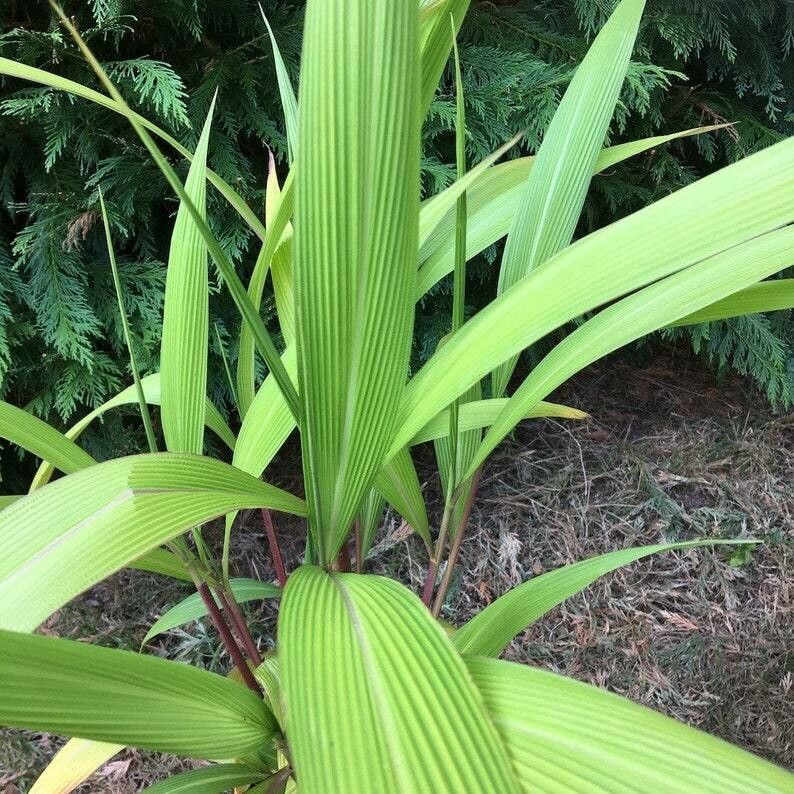
Oh, hello there! Come on in, grab a mug. Let’s chat about a plant that’s really captured my heart over the years: Setaria palmifolia, often called Palm Grass or Dragon’s Tongue. You know, the one with those wonderfully architectural, palm-like leaves that sway so gracefully in the breeze? It adds such a touch of the tropics to any garden, and honestly, there’s nothing quite like watching a tiny new plant unfurl its first leaves, knowing you helped bring it into existence. If you’re looking for a rewarding project, this is absolutely it. And the good news? Propagating Setaria palmifolia isn’t as intimidating as you might think, even for those of you just starting to get your fingers dirty.
The Best Time to Start
For the best chance of success, I always reach for my secateurs in late spring or early summer. This is when the plant is really hitting its stride, actively growing and full of energy. You’ll find that cuttings taken during this vigorous growth period have the best vigor and are more likely to develop a strong root system quickly. Trying to propagate when the plant is dormant or stressed just makes things harder for everyone involved, wouldn’t you agree?
Supplies You’ll Need
Before we dig in, let’s gather our tools. You won’t need much, just these essentials:
- Sharp Pruning Shears or a Clean Knife: For taking clean cuts.
- Well-Draining Potting Mix: I like to use a mix of equal parts horticultural grit, perlite, and a good quality peat-free compost. This ensures good aeration and prevents waterlogging.
- Small Pots or Trays: Clean ones are crucial!
- Rooting Hormone (Optional but Recommended): A powder or gel to give your cuttings a little boost.
- Watering Can with a Fine Rose: To water gently without disturbing the soil too much.
- A Sunny, Warm Spot: Out of direct, scorching sunlight.
Propagation Methods
Setaria palmifolia is a fantastic plant for division, and this is often my go-to method. It’s quite forgiving and usually yields several new plants from a single parent.
Division: The Most Reliable Way
- Prepare Your Parent Plant: Water your mature Setaria palmifolia well a day or two before you plan to divide it. This makes the roots a bit more pliable.
- Gently Excavate: Carefully lift the entire plant from its pot or the ground. If it’s in the ground, dig around the root ball and ease it out.
- Identify Natural Divisions: Look at the base of the plant. You’ll often see clumps naturally separating. Sometimes, you can gently pull these clumps apart with your hands.
- Use Your Tools (If Needed): If the root ball is tightly matted, you might need to carefully use your secateurs or a clean knife to slice through some of the thicker roots to separate the clumps. Aim for divisions that have a good amount of roots and at least a couple of healthy shoots.
- Pot Up Your New Babies: Pot each division into its own small pot filled with your well-draining mix. Gently firm the soil around the roots.
- Water and Settle: Water them in thoroughly but gently.
The “Secret Sauce” (Pro Tips)
Now for a couple of little tricks I’ve learned over the years. These aren’t strictly necessary, but they do make a difference!
- Don’t Overcrowd Pots: When dividing, resist the urge to cram too many divisions into one pot. Each new plant needs space to establish without competing for resources. It’s better to have a few well-rooted plants than many struggling ones.
- Mimic the Tropics with Humidity: These plants love a bit of humidity. Once your divided plants are potted, I like to place them in a clear plastic bag or a propagator lid. This creates a mini-greenhouse effect, keeping the air moist around the leaves and encouraging root development. Just make sure to open the bag or lid for a few minutes each day to allow for fresh air circulation and prevent fungal issues.
Aftercare & Troubleshooting
Once your new Setaria palmifolia divisions are potted, keep them in a bright spot, but avoid harsh direct sunlight, especially in the afternoon. It can scorch those tender new leaves. Water them when the top inch of soil feels dry. Be patient! It might take a few weeks for you to see active new growth, which is a good sign roots are forming.
The most common culprit for failure here is overwatering or poor drainage, leading to rot. If you see the leaves starting to yellow and look mushy, or the base of the plant feels soft and waterlogged, it’s a sign of trouble. Make sure your soil is well-draining, and don’t let the pots sit in saucers of water. It’s always better to underwater slightly than to overwater.
And there you have it! Propagating Setaria palmifolia is a joy. It’s a wonderful way to fill a garden bed, share with friends, or simply appreciate the resilience of plant life. Be kind to yourself, enjoy the process of nurturing these new shoots, and before you know it, you’ll have a whole collection of your own beautiful Palm Grass. Happy gardening!
Resource:
https://identify.plantnet.org/k-world-flora/species/Setaria%20palmifolia%20(J.Koenig)%20Stapf/data