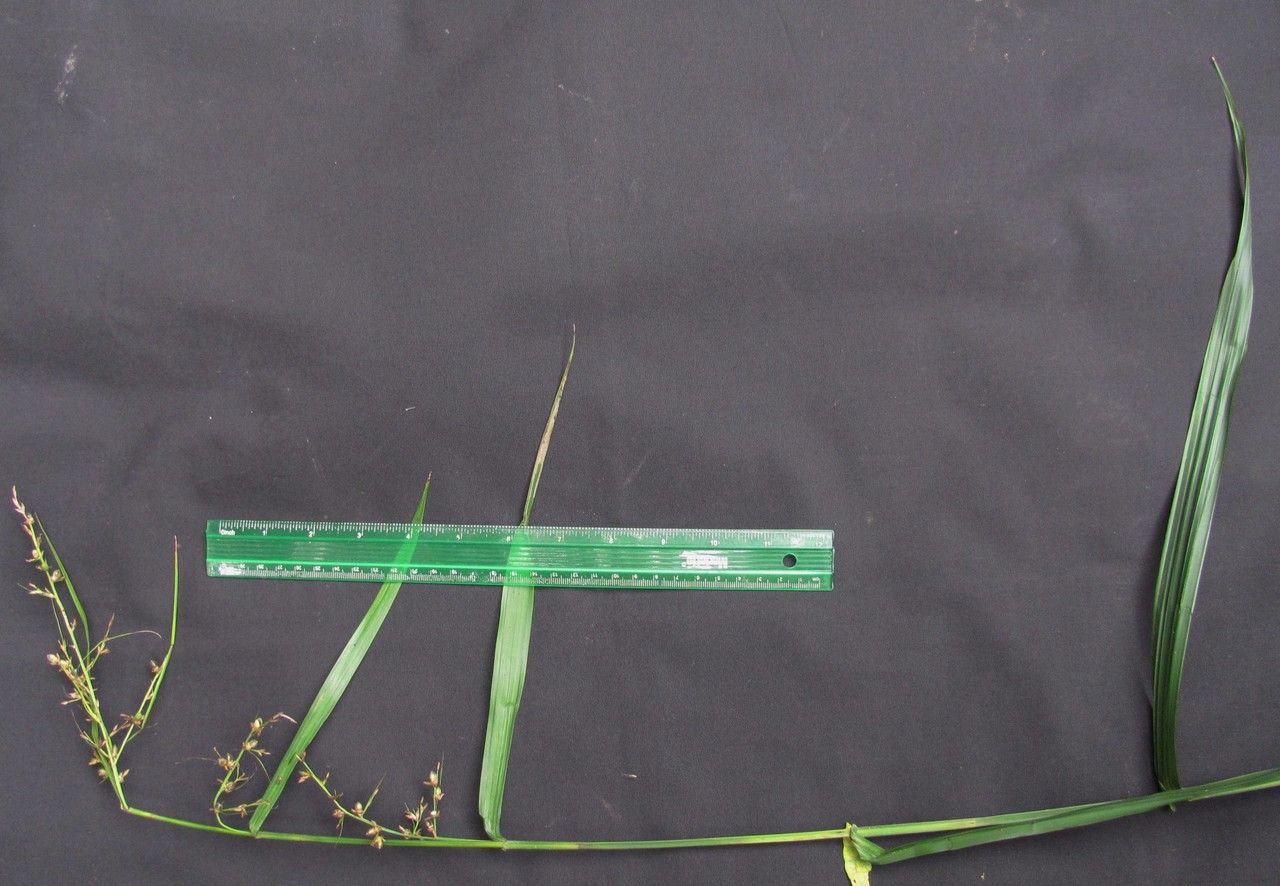
Hello, fellow plant lovers! It’s so lovely to have you join me today. We’re going to dive into a plant that, for me, has such a quiet charm and an undeniable elegance: Scleria macrophylla. If you’re looking for a relatively easy-to-propagate beauty to add to your collection, something that offers delicate, architectural interest, then you’re in for a treat. Propagating it is incredibly rewarding, and while it might not be the absolute easiest plant for a brand-new propagator, it’s certainly very accessible once you’ve got a few basics down.
The Best Time to Start
Honestly, my favorite time to get stuck into propagating Scleria macrophylla is late spring through early summer. This is when the plant is really hitting its stride, full of vigor and ready to produce new growth. You’ll find the cuttings take root more readily and develop strong, healthy starts during this period of active growth. Waiting until it’s well into its growing season ensures you’re working with the best material.
Supplies You’ll Need
Before we get our hands dirty, let’s gather our tools. Having everything ready makes the process so much smoother!
- Sharp, clean pruning shears or a hobby knife: Absolutely essential for making clean cuts.
- Well-draining potting mix: I like to use a blend of peat moss, perlite, and a bit of coarse sand for excellent aeration. You can also grab a good quality seed starting or propagation mix.
- Small pots or propagation trays: Clean containers are key to preventing disease.
- Rooting hormone (optional but recommended): A good rooting powder or gel can make a significant difference, especially if you’re new to this.
- Clear plastic bags or a propagation dome: To maintain high humidity.
- Watering can with a fine rose or a spray bottle: For gentle watering.
- Labels and a marker: To keep track of what you’ve planted!
Propagation Methods
Scleria macrophylla is best propagated through division and stem cuttings. Let’s look at how we can approach each of these.
Division
This is often the most straightforward method for Scleria macrophylla because it’s a clumping plant.
- Gently unpot your established plant. Try to do this when the soil is slightly moist, not bone dry or soaking wet. This makes it easier to tease the roots apart.
- Inspect the root ball. You’ll likely see distinct clumps or sections, each with its own set of roots and shoots.
- Carefully separate the clumps. You can use your hands, or if it’s a bit stubborn, a clean, sharp knife. The goal is to ensure each division has plenty of healthy roots and at least one or two growing shoots.
- Pot up each division. Use your well-draining potting mix in your chosen pots.
- Water gently. Water until you see it draining from the bottom of the pot.
- Place in a bright, indirect light spot. Keep the soil consistently moist but not waterlogged.
Stem Cuttings
This method is great for increasing your plant numbers when your mother plant is looking lush and producing plenty of new growth.
- Select a healthy stem. Look for a stem that is tender-growth, not too woody. It should be about 4-6 inches long.
- Make a clean cut. Just below a leaf node, use your sharp pruning shears or knife to take your cutting. A node is crucial; it’s where roots will typically form.
- Remove the lower leaves. Strip off any leaves that would fall below the soil line once planted. This prevents them from rotting.
- Dip the cut end in rooting hormone (optional). Tap off any excess.
- Plant the cutting. Insert the cut end into your well-draining potting mix about an inch or so deep.
- Water gently.
- Create a humid environment. Cover the pot with a clear plastic bag or place it under a propagation dome. Make sure the leaves don’t touch the plastic – if they do, prop the bag up with a few small sticks.
- Place in bright, indirect light. Avoid direct sun, which can scorch the delicate cuttings.
The “Secret Sauce”
Here are a couple of things I’ve learned over the years that really boost success with these beauties:
- Bottom Heat is Your Friend: For stem cuttings, placing your pots on a gentle heat mat can dramatically speed up root development. The warmth encourages the plant to send out roots more enthusiastically. Just make sure it’s not too hot – warm to the touch is perfect.
- Don’t Overwater the Cuttings: While they need humidity, soggy soil is the enemy of new cuttings. It leads to rot. Allow the very top layer of soil to dry slightly between waterings. It’s a delicate balance, and you’ll get a feel for it. Probe with your finger to check moisture levels.
Aftercare & Troubleshooting
Once you start to see new growth, or gently tug on a cutting and feel resistance (which indicates roots!), it’s time to adjust their care.
- Gradually Acclimate: If you’ve been using a plastic bag or dome, slowly begin to remove it over a week or so. This helps the new plant adjust to normal household humidity.
- Continue Bright, Indirect Light: Keep them in a well-lit spot, but still out of harsh direct sun.
- Water Consistently: Keep the soil moist but not soggy. Learn to read the plant’s cues – drooping leaves can indicate thirst, but also overwatering. Always check the soil moisture first.
The most common issue you’ll face is rot. If a cutting turns mushy and black, or the leaves yellow and drop off without any new growth appearing, it’s usually a sign of too much moisture and/or not enough airflow. If a division fails to thrive, check its root system; sometimes, a section might be too old or damaged to recover. Don’t be discouraged; propagation is a learning process!
A Little Patience Goes a Long Way
Propagating Scleria macrophylla is a wonderfully satisfying way to expand your collection or share your love for this plant with others. Be patient, observe your little charges, and celebrate every little sign of progress. You’ve got this, and happy growing!
Resource: