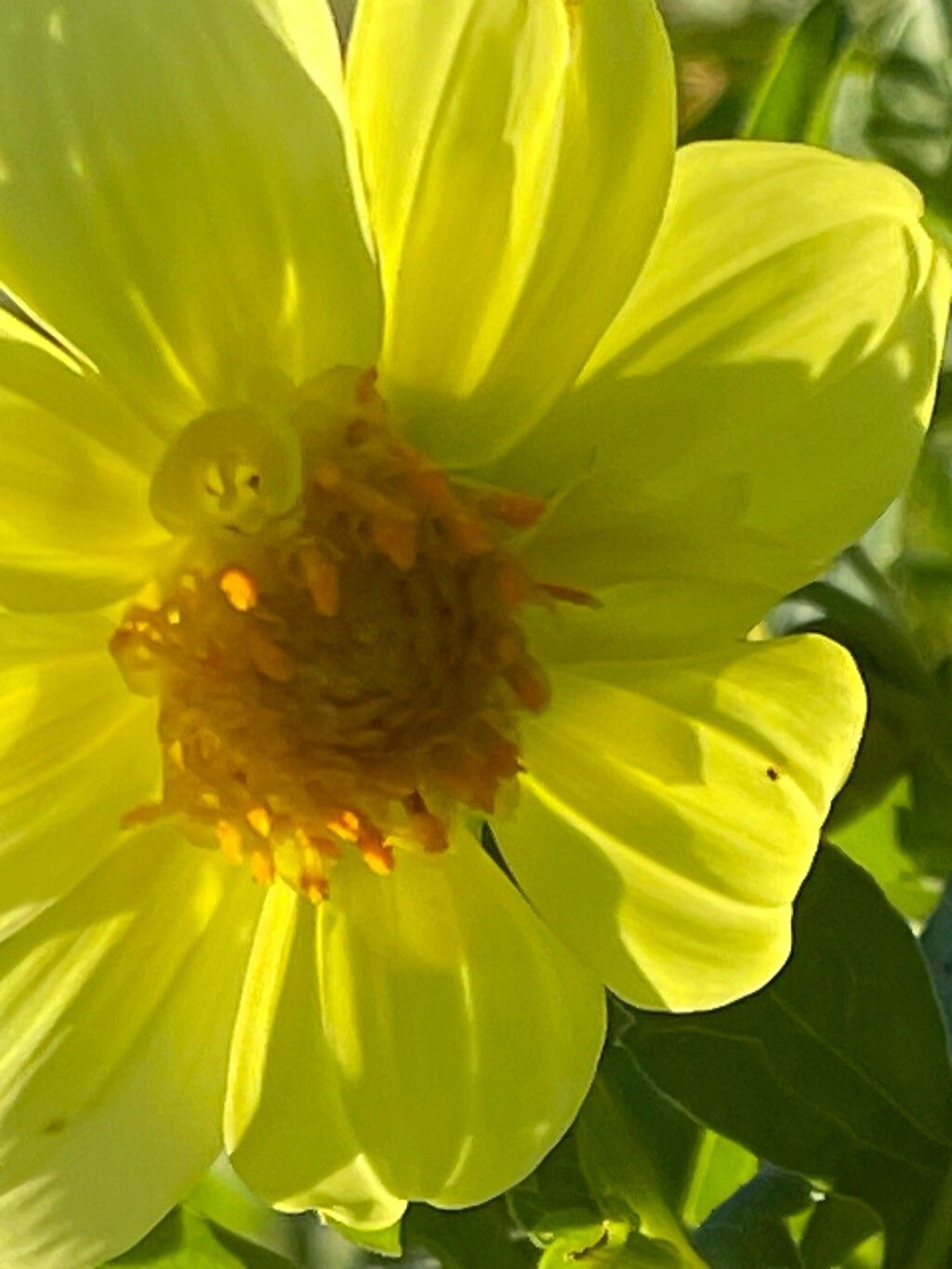
Oh, dahlias! Aren’t they just the most cheerful garden divas? With their explosion of blooms in every hue imaginable, it’s no wonder we gardeners fall head over heels for them. I’ve spent two decades coaxing these beauties into life, and let me tell you, multiplying your dahlia collection is one of the most satisfying gardening projects out there. And the good news? Propagating Dahlia pinnata is generally quite approachable, even for those just dipping their toes into the wonderfully messy world of plant propagation. You’ll be amazed at how many new treasures you can create from just a few parent plants.
The Best Time to Start
Timing is everything with dahlias, my friends. The absolute sweet spot for propagating Dahlia pinnata is late spring or early summer, once your established plants are actively growing and have developed sturdy stems. You’re looking for those glorious, tall shoots that have just emerged from the ground, or even better, shoots that are starting to show those tell-tale little “eyes” or developing tubers at their base. This means they have plenty of energy to draw upon for rooting.
Supplies You’ll Need
Don’t let a long list overwhelm you! You likely have many of these essentials already tucked away in your shed or potting bench.
- Sharp Pruning Shears or a Clean Knife: For making clean cuts.
- Rooting Hormone Powder or Gel: This is your magic wand for encouraging root development.
- Small Pots or Seed Starting Trays: About 4-6 inches in diameter is perfect.
- Well-Draining Potting Mix: A good quality seed starting mix is ideal. You can also mix in some perlite or coarse sand to improve drainage, which is crucial for dahlias.
- Clear Plastic Bags or Domes: To create a humid environment.
- Watering Can with a Fine Rose: For gentle watering.
- Labels and a Marker: Because trust me, you will forget which dahlia is which!
Propagation Methods
There are a few ways to go about multiplying your dahlias, but my go-to for Dahlia pinnata is stem cuttings. It’s reliable and yields a good number of new plants.
Stem Cuttings: My Favorite Approach
- Harvest Your Cuttings: On a bright, dry morning, select healthy, vigorous stems from your parent plant. Look for stems that are about 4-6 inches long and have at least two sets of leaves. Make a clean cut just below a leaf node (where the leaves attach to the stem).
- Prepare the Cuttings: Gently remove the lower leaves from the stem, leaving just the top set. This helps reduce moisture loss and prevents leaves from rotting in the soil.
- Apply Rooting Hormone: Dip the cut end of each stem into your rooting hormone powder or gel. Gently tap off any excess. This step is a real booster for root formation.
- Plant Your Cuttings: Fill your pots with the prepared potting mix. Make a small hole in the center of the soil with your finger or a pencil. Insert the cutting into the hole, ensuring the leaf node is buried in the soil. Gently firm the soil around the stem.
- Mist and Cover: Give your cuttings a good misting with water from your fine-rose watering can. Then, place the pot inside a clear plastic bag or cover it with a clear dome. This traps humidity, which is vital for cutting success. Make sure the plastic doesn’t touch the leaves too much.
- Find a Cozy Spot: Place your potted cuttings in a bright location but out of direct, scorching sunlight. A greenhouse, a sunny windowsill, or even under grow lights works beautifully.
Division: A Simpler Option (for Established Plants)
If your dahlias are a few years old and have produced multiple stems from the crown, division is a fantastic and easy way to get more plants.
- Dig Up the Tuberous Root Ball: In late winter or early spring, before new growth begins, carefully dig up your dahlia clump. You want to get as much of the root system as possible.
- Clean Off the Soil: Gently brush off excess soil so you can clearly see the tubers and the crown (where the stems emerge).
- Identify the “Eyes”: Look for the small, reddish buds, often called “eyes,” on the crown. You need at least one eye for a successful division.
- Divide the Clump: Using a sharp, clean spade or knife, divide the tuberous root ball into sections. Each section should have at least one tuber and one or more eyes.
- Plant and Water: Replant the divided sections as you would the original plant, ensuring the eyes are just below the soil surface. Water them in well.
The “Secret Sauce”
Now, for a couple of little tricks I’ve learned over the years that make a big difference:
- Bottom Heat is Your Best Friend: If you can, place your pots on a heat mat. This gentle warmth from below signals to the cutting that it’s time to get those roots going, drastically speeding up the process and improving your success rate.
- Don’t Let the Leaves Dunk! When misting or watering, be mindful that leaves sitting in water will rot. If your cuttings are a bit bushy, trim them back a little more to give them airflow and prevent any soggy leaf issues. It’s all about keeping things fresh and airy.
- “Callousing” for Cuttings: For an extra boost, after applying rooting hormone to your stem cuttings, let them sit out of the hormone for about an hour. This allows the cut end to slightly “callous over” before planting. Some gardeners swear this helps seal in moisture and encourage stronger root growth. It’s a subtle tweak, but it can be effective!
Aftercare & Troubleshooting
Once you start seeing tiny white roots peeking out from the bottom of the pot (give it a few weeks!), it’s time to adjust their care.
- Acclimatize Gradually: Gently remove the plastic bag or dome for a few hours each day, slowly increasing the time until the cuttings are used to the ambient humidity. This helps prevent shock.
- Water Wisely: Keep the soil consistently moist but not soggy. Overwatering is the quickest way to invite rot, which will manifest as mushy, black stems. If you see this, sadly, that cutting is likely a goner.
- Transplant When Ready: Once your new plants have developed a good root system and are showing new leafy growth, you can transplant them into larger pots or directly into your garden beds after the danger of frost has passed.
A Encouraging Closing
Remember, gardening is a journey, and propagating dahlias is a wonderful part of that adventure. Be patient with your little cuttings. Some will root faster than others, and you might have a few that don’t make it – that’s perfectly normal! Don’t get discouraged. Just keep trying, observe what works best in your space, and enjoy the sheer delight of watching something you nurtured with your own hands grow into a magnificent blooming plant. Happy propagating!
Resource:
https://identify.plantnet.org/k-world-flora/species/Dahlia%20pinnata%20Cav./data