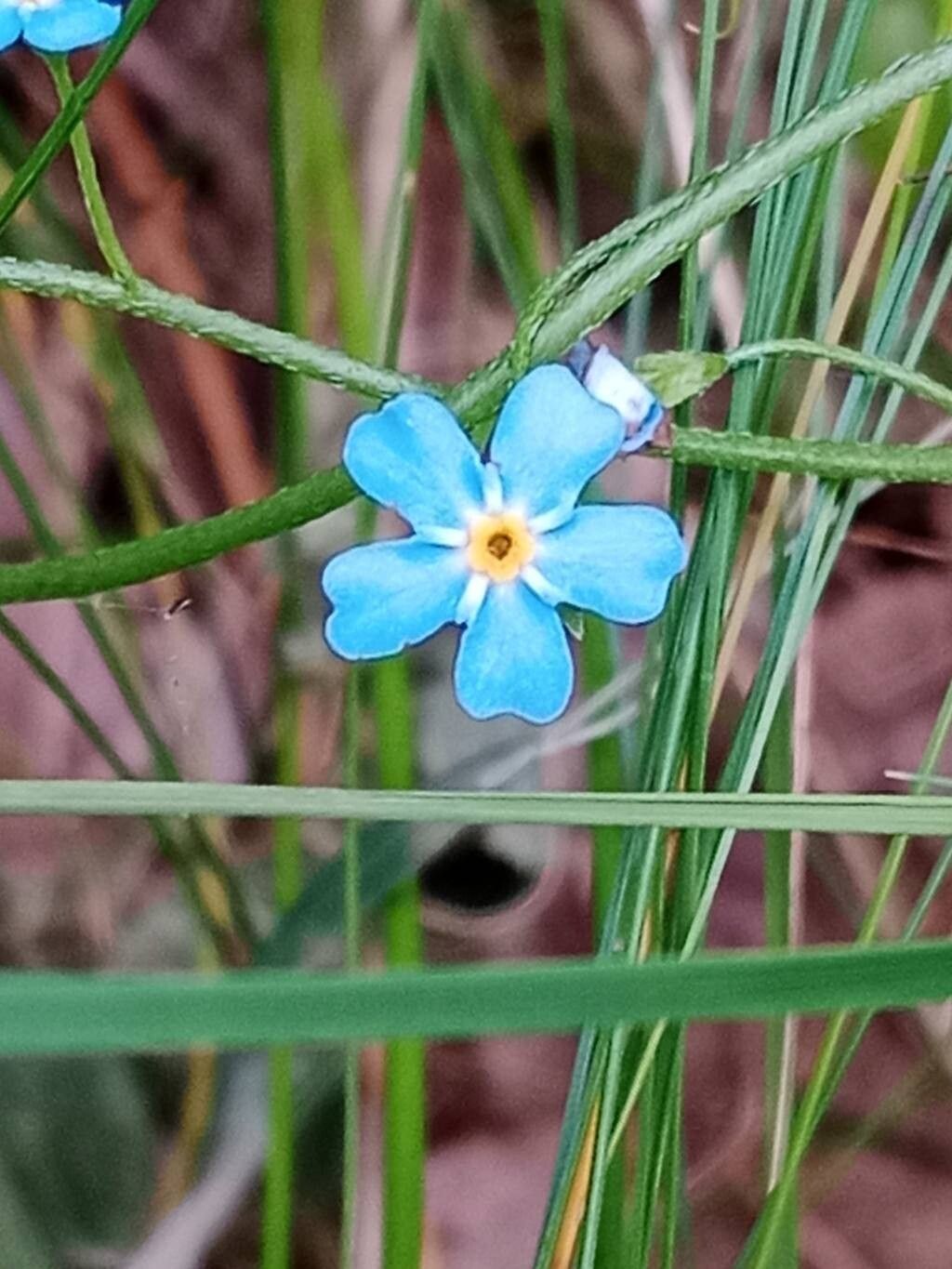
Oh, hello there! Come on in, pull up a chair. Let’s chat about one of my absolute garden favorites: Myosotis scorpioides, or as we gardeners affectionately call them, forget-me-nots. Those delicate, sky-blue blossoms are just pure magic, aren’t they? They bring such a gentle charm to any corner of the garden, and trust me, learning to propagate them is surprisingly simple and incredibly rewarding. Even if you’re just dipping your toes into the world of plant propagation, forget-me-nots are a wonderfully forgiving place to start. You’ll feel such a thrill watching a tiny cutting transform into a whole new plant!
The Best Time to Start
For the highest success rate with forget-me-nots, I always recommend early to mid-spring. This is when the plant is actively growing, and new shoots are plentiful and full of life. You want to catch them when they’re bursting with energy, before the heat of summer really sets in. Mid-spring is often perfect – the danger of hard frosts is usually past, and the soil is warming up nicely.
Supplies You’ll Need
Here’s what I usually have on hand when I’m getting ready to propagate:
- Sharp pruning shears or a clean razor blade: For making those precise cuts.
- Small pots or seed trays: Clean ones are key!
- A good quality potting mix: I like a blend that drains well. A mix of peat moss, perlite, and a bit of compost works wonders.
- Rooting hormone (optional but helpful): Especially for stem cuttings.
- Watering can or spray bottle: For gentle moisture.
- Plastic bags or a propagator lid: To create a humid environment.
- Gravel or small stones: If you’re doing water propagation.
Propagation Methods
There are a couple of ways we can get more forget-me-nots to enjoy.
Stem Cuttings
This is my go-to method for Myosotis scorpioides.
- Select your cuttings: On a healthy, established forget-me-not plant, look for non-flowering, semi-hardwood stems that are about 3-4 inches long. These are usually the newer growth.
- Make the cut: Using your sharp shears or razor, make a clean cut just below a leaf node. A leaf node is where a leaf grows out from the stem.
- Prepare the cutting: Gently remove the lower leaves, leaving just a few at the top. This prevents them from rotting in the soil. If you’re using rooting hormone, dip the cut end into it now.
- Plant the cutting: Fill your small pots with your potting mix, lightly moisten it. Make a small hole with your finger or a pencil and insert the cutting, ensuring the nodes where you removed the leaves are buried. Gently firm the soil around it.
- Create humidity: Water the cuttings gently and cover the pot with a plastic bag or propagator lid. This creates a mini-greenhouse.
- Find a spot: Place the pots in a bright location that gets indirect light. Avoid direct sun, which can scorch delicate new growth.
Division
If your forget-me-not plants are a bit older and have started to form clumps, division is a fantastic, quick way to get more plants.
- Dig it up: In spring, gently dig up the entire plant with a spade or trowel. Try to get as much of the root ball as possible.
- Separate the roots: Gently shake off excess soil. You can usually tease the clump apart with your hands. If it’s a bit stubborn, you might need to use a clean knife or trowel to slice through the root ball, making sure each section has a good amount of roots and some shoots.
- Replant: Plant the divisions immediately into their new homes, whether that’s back into your garden borders or into pots. Water them in well.
Water Propagation
This method is super satisfying to watch!
- Take cuttings: Follow steps 1 and 2 from the stem cutting method.
- Remove lower leaves: Just like before, remove all the leaves that would be submerged in water.
- Place in water: Fill a clean jar or glass with fresh water. Place the cuttings in the water, making sure that none of the remaining leaves are touching the water’s surface. You can add a few small stones or gravel to help keep the cuttings upright.
- Find a spot: Place the jar in a bright location with indirect light.
- Change the water: Change the water every few days to keep it fresh and prevent rot. You should start seeing tiny white roots forming in a couple of weeks.
The “Secret Sauce” (Pro Tips)
Here are a couple of things I’ve learned over the years that really boost success:
- Don’t let the leaves touch the water in water propagation. This is crucial. When leaves sit in water, they tend to rot, and that rot can quickly spread to the stem and kill your cutting. It’s a common mistake, but an easy one to avoid!
- Bottom heat is your friend for stem cuttings. If you have a heat mat designed for propagation, placing your pots on it can significantly speed up root development. It just gives those roots a cozy, encouraging warmth to start growing.
Aftercare & Troubleshooting
Once your cuttings have started to root (you’ll see new growth or feel a gentle resistance when you tug lightly on them), it’s time for a slightly adjusted care routine.
- For potted cuttings: Keep the soil consistently moist, but not waterlogged. Gradually acclimate them to less humid conditions by opening the plastic bag or propagator lid a little more each day over a week. Once they’re looking robust, you can transplant them into slightly larger pots to continue growing.
- For divided plants: Water them regularly until they are well-established in their new spots.
The most common issue you might encounter is rot. If you see your cuttings turning mushy or black, it’s usually a sign of too much moisture and not enough air circulation. If you’re doing water propagation and the water smells funky or the stem is slimy, that’s rot at work. My advice? Start fresh with a new cutting and be extra diligent about changing the water and ensuring good airflow.
A Little Patience Goes a Long Way
There you have it! Propagating forget-me-nots is a truly achievable and delightful gardening task. Don’t be discouraged if your first try isn’t perfect. Gardening is all about learning and observing. The joy of watching those tiny cuttings unfurl new leaves and eventually form their own beautiful blooms is absolutely worth the effort. So grab your shears, get your hands in the soil, and enjoy the process of creating more of that lovely blue magic in your garden!
Resource:
https://identify.plantnet.org/k-world-flora/species/Myosotis%20scorpioides%20L./data